


Marguet
Champagne Grand Cru Ambonnay Brut Nature 2021
| Denomination | AOC Champagne Grand Cru |
|---|---|
| Size | 0,75 l |
| Alcohol content | 12.5% by volume |
| Area | Champagne region (France) |
| Grape varieties | 92% Chardonnay, 8% Pinot Nero |
| Aging | In oak barrels before bottling, followed by second fermentation and ageing on the lees in the bottle until disgorgement on 2 February 2026, totalling more than 43 months on the lees. |
- Type and style: Dry Traditional Method sparkling wine, zero dosage, with no residual sugar
- Prestigious origin: Grapes sourced from Ambonnay in the Champagne region, an area classified as Grand Cru
- Varietal composition: A blend of 92% Chardonnay and 8% Pinot Noir, artisanal Marguet production
- Sensory profile: Straw yellow colour, fine perlage; intense fruit and marked minerality
- Production and awards: Organic and biodynamic wine, with no added sulphites; rated 94 points by James Suckling


Description
What type of wine it is
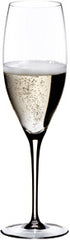
The Marguet Champagne Grand Cru Ambonnay Brut Nature is an elegant Champagne crafted by Marguet. In the glass, it presents a straw-yellow colour, traversed by a fine and persistent perlage. Composed of a blend of Chardonnay and Pinot Noir, this celebrated Champagne expresses intense fruity aromas and precise mineral accents, while on the palate it is dry, broad and structured, offering a sip of great balance and depth. Its Pas Dosé style makes it a pure and rigorous wine, ideal for accompanying an entire meal with elegance.
Where it comes from
The grapes come from the famous vineyards located in Ambonnay, one of the communes classified as Grand Cru in the prestigious Champagne region of France. The territory is characterised by a cool continental climate, with a strong influence from the Montagne de Reims. The subsoil is composed of deep, pure chalk, covered by surface layers of silt and calcareous clay. This particular combination of climate and soil gives the wine a distinct minerality and an unmistakable territorial identity, enhancing the purity of the fruit and its structural complexity.
How it is produced
Production strictly follows the Traditional Method, with spontaneous alcoholic fermentation using indigenous yeasts, followed by complete malolactic fermentation. The wine initially matures in oak barrels and tonneaux, before undergoing the second fermentation in the bottle. Ageing on the lees lasts for a long period, ensuring complexity and finesse in the final product. As a Brut Nature, no dosage is added, preserving the most authentic and dry nature of the wine, and it is made without added sulphites, reflecting the producer's natural approach.
History and curiosities
This renowned Champagne Grand Cru comes to life in Ambonnay, where the Marguet estate works following strict biodynamic principles. The two thousand and twenty-one vintage is a true rarity, limited to an annual production of just two thousand nine hundred and twenty-seven bottles. A fascinating aspect concerns its exact production timing: the bottling (tirage) took place on the thirtieth of June two thousand and twenty-two, with a subsequent rest for over forty-three months on indigenous yeasts. The exceptional nature of the artisanal method guarantees the wine a score of ninety-four from James Suckling.
Tasting notes
Perlage
Perfume
Color
Taste
Serve at:
06 - 08 °C
Longevity:
05 - 10 years
- Hectares: 8
The domaine tends old vines with an average age of around 40 years, spread across two of the most renowned terroirs of the Montagne de Reims:
8 total estate-owned hectares:
7.30 hectares in Ambonnay, distributed among the renowned crus Les Saints Remys, Les Beurys, Les Crayères, La Grande Ruelle, Les Bermonts, and Le Parc
0.70 hectares in Bouzy, divided between the Les Loges and Les Hannepés parcels
In the vineyard, every practice adheres to certified Organic and Demeter ecological and holistic principles.
Since 2010, soil tilling has been carried out exclusively with horses to avoid tractor-induced soil compaction, protect wild flora, preserve biodiversity, and connect directly with the chalk subsoil.
Vine care and defense rely on herbal macerations, infusions, and decoctions, complemented by the targeted use of essential oils, completely excluding synthetic chemicals.
In the cellar, vinification follows the natural energy of the raw fruit without invasive intervention, utilizing gentle, natural methods:
Gravity-fed transfers: Musts and base wines are moved by natural fall to minimize mechanical stress.
Aging and naturopathic approach: Significant emphasis is placed on extended lees aging and on the wine's energetic balance.
Expressive purity: The primary objective is to enhance the chalky minerality and authentic identity of each individual parcel and vintage—a principle epitomized by the Sapience range, the famed prestige cuvée crafted from certified organic grapes.
Read more


| Name | Marguet Champagne Grand Cru Ambonnay Brut Nature 2021 |
|---|---|
| Type | White organic classic method sparkling wine pas dosé |
| Denomination | Champagne AOC |
| Vintage | 2021 |
| Size | 0,75 l |
| Alcohol content | 12.5% by volume |
| Grape varieties | 92% Chardonnay, 8% Pinot Nero |
| Country | France |
| Region | Champagne region |
| Vendor | Marguet |
| Story | History and curiosities This renowned Champagne Grand Cru comes to life in Ambonnay, where the Marguet estate works following strict biodynamic principles. The two thousand and twenty-one vintage is a true rarity, limited to an annual production of just two thousand nine hundred and twenty-seven bottles. A fascinating aspect concerns its exact production timing: the bottling (tirage) took place on the thirtieth of June two thousand and twenty-two, with a subsequent rest for over forty-three months on indigenous yeasts. The exceptional nature of the artisanal method guarantees the wine a score of ninety-four from James Suckling. |
| Origin | Ambonnay (Champagne, France) |
| Climate | Cool continental, exposed to the danger of spring frosts, rainfall during flowering and humidity with a risk of downy mildew and botrytis. In the Montagne de Reims, the cold north and east-facing slopes amplify ripening delays and the danger of late frosts. |
| Soil composition | Deep, pure chalk subsoil with surface layers of silt and calcareous clay |
| Cultivation system | Cordon Royat and Guyot |
| Harvest | Autumn 2021 |
| Fermentation | Autumn 2021, spontaneous alcoholic fermentation with indigenous yeasts followed by malolactic fermentation, fully and naturally completed. |
| Production technique | Classic method |
| Wine making | A blend of 92% Chardonnay and 8% Pinot Noir; spontaneous alcoholic fermentation using indigenous yeasts followed by full malolactic fermentation; fermentation and maturation in oak barrels and tonneaux; secondary fermentation using the Classic Method (tirage on 30 June 2022), Pas Dosé/Zero Dosage with no added sulphites; second fermentation and ageing on the lees in the bottle until disgorgement on 2 February 2026 (over 43 months on the lees). |
| Aging | In oak barrels before bottling, followed by second fermentation and ageing on the lees in the bottle until disgorgement on 2 February 2026, totalling more than 43 months on the lees. |
| Year production | 2927 bottles |
| Allergens | Contains sulphites |