


Villiera Wine (Stellenbosch)
Cap Classique Monro 2017
| Denomination | N/A |
|---|---|
| Size | 0,75 l |
| Alcohol content | 12.0% by volume |
| Area | South Africa (South Africa) |
| Grape varieties | 65% Chardonnay, 35% Pinot Nero |
| Aging | Secondary fermentation in the bottle followed by prolonged contact with the lees for about five and a half years (approximately 5.5–6 years). |
- Metodo Classico Brut: bottle-fermented, dry and refined style
- 2017 vintage blend: 65% Chardonnay, 35% Pinot Noir, 12% ABV
- Aged on the lees: 5.5–6 years for complexity and creaminess
- Aromas and taste: green apple, white peach, brioche; long mineral finish
- Serving and pairings: 8–10 °C, ideal with oysters, sushi and raw seafood


Description
What kind of wine it is
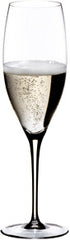
This South African Traditional Method wine elegantly blends Chardonnay and Pinot Noir. Presented in a Brut style, it stands out for its creamy perlage and delicate flavour profile. On the nose, it reveals aromas of green apple, white peach and brioche, supported by a lively acidity. Extended maturation enriches the profile with enveloping yeast notes, offering a finish with a pronounced minerality, ideal for pairing with oysters and raw seafood.
Where it comes from
This South African sparkling wine expresses the authentic character of Stellenbosch, an area with ideal winegrowing conditions. Produced by the Villiera winery, the wine reflects the region's vocation for creating sparkling bases of great freshness. The local microclimate favours a perfect balance of the grapes, ensuring the optimal structure for a bottle refermentation capable of developing intense and harmonious aromas over time.
How it is produced
Whole bunches, hand-picked, are gently pressed. Only the free-run must is selected for the blend, while the Chardonnay is partially fermented in used oak barrels to enrich the sensory profile. After blending with Pinot Noir, the wine begins bottle refermentation according to the principles of the Traditional Method. The very long ageing on the lees, which lasts for over five years, shapes an elegant structure, giving extreme finesse and deep persistence.
History and Curiosities
Born in Stellenbosch from the passion of the Grier family, this prestigious South African Traditional Method represents the flagship of the winery. The careful vinification of only the cuvée, with half of the Chardonnay fermented in wood, imparts extraordinary complexity. After an impressive five and a half years of ageing on the lees, this refined 2017 Vintage develops an exceptionally rich and creamy perlage. A masterpiece awarded 90 points by James Suckling, capable of crowning every festive toast with pure elegance.
Awards
-
2017
 90
90/100
James Suckling is an influential American wine critic and journalist who worked at Wine Spectator for 30 years. He left the magazine in 2010 to start his own website and guidebook (JamesSuckling.com). He specialises in Italian and Bordeaux wines.
Tasting notes

Perlage
Perfume

Color
Taste
Serve at:
06 - 08 °C
Longevity:
05 - 10 years
Cathy Brewer (née Grier) later joined the family team to head up the sales, marketing and export divisions. The introduction of hi-tech cellar facilities for the production of still wines as well as Cap Classique combined with a unique wine business philosophy has seen Villiera developing into one of the largest private wineries in the country. Read more


| Name | Villiera Methode Cap Classique Monro Brut 2017 |
|---|---|
| Type | White classic method sparkling wine brut |
| Denomination | N/A |
| Vintage | 2017 |
| Size | 0,75 l |
| Alcohol content | 12.0% by volume |
| Grape varieties | 65% Chardonnay, 35% Pinot Nero |
| Country | South Africa |
| Region | South Africa |
| Vendor | Villiera Wine (Stellenbosch) |
| Story | History and Curiosities Born in Stellenbosch from the passion of the Grier family, this prestigious South African Traditional Method represents the flagship of the winery. The careful vinification of only the cuvée, with half of the Chardonnay fermented in wood, imparts extraordinary complexity. After an impressive five and a half years of ageing on the lees, this refined 2017 Vintage develops an exceptionally rich and creamy perlage. A masterpiece awarded 90 points by James Suckling, capable of crowning every festive toast with pure elegance. |
| Origin | Stellenbosch, Sudafrica |
| Fermentation | Approximately 5 and a half years (approximately 5.5–6 years) |
| Production technique | Secondary fermentation in the bottle (traditional method, Méthode Cap Classique) |
| Wine making | The whole bunches were carefully placed in pneumatic bag presses and gently pressed using a Champagne-style pressing cycle. Only the cuvée (the highest quality juice) was used in the blend. A portion of the Chardonnay (half) was fermented in used oak barrels for added complexity. After blending with the Pinot Noir, yeasts and sugar were added for a secondary fermentation in the bottle, followed by an extended contact with the lees for five and a half years. |
| Aging | Secondary fermentation in the bottle followed by prolonged contact with the lees for about five and a half years (approximately 5.5–6 years). |
| Total acidity | 7.2 gr/L |
| PH | 3.24 |
| Residual sugar | 6.9 gr/L |
| Allergens | Contains sulphites |