


Cantina Tramin
Nussbaumer Gewurztraminer 2024
| Denomination | DOC Alto Adige Traminer Aromatico |
|---|---|
| Size | 0,75 l |
| Alcohol content | 14.0% by volume |
| Area | Trentino Alto Adige (Italy) |
| Grape varieties | 100% Traminer Aromatico |
| Aging | Matured in small stainless steel tanks, in continuous contact with the lees until the end of August; after bottling, it rests in the bottle for a minimum of 3 months; total minimum ageing of 14 months. |
- Profile: Still aromatic white Alto Adige DOC from 100% Gewürztraminer grapes (14% vol.)
- Bouquet: Notes of rose petals, white flowers, exotic fruit, lemon zest and hints of spice
- Palate: Full and juicy body, slightly off-dry, with distinct minerality and a long finish.
- Winemaking: Manual harvest, cold maceration and fermentation in stainless steel at 18°C.
- Ageing and serving: Aged for 14 months. Ideal at 12-14°C with fish and Asian dishes.


Description
The type of wine
The Nussbaumer Gewürztraminer from Cantina Tramin is a still white wine with the Alto Adige Denominazione di Origine Controllata. Made from Gewürztraminer grapes, it is distinguished by a full and rounded body, balanced by soft acidity and a vibrant minerality. The bouquet blends rose petals and white flowers with notes of ripe exotic fruit and citrus zest, while on the palate the rich texture is enhanced by elegant spicy nuances of ginger, saffron and cinnamon. The long period on the lees gives the sip an enveloping juiciness, leading to a very long-lasting finish that enhances the harmony of the glass.
Origin
This white wine is born in Sella, at the foot of Mount Roen, within the famous Nussbaumer vineyard. The vines thrive on steep, sunny slopes situated between 350 and 550 metres above sea level, with optimal south and south-east exposure. The terroir is characterised by soils of morainic origin, composed of clay and limestone gravel on a porphyry base, essential elements for the wine's mineral identity. The mountain microclimate benefits from high temperature variations and the Ora, the breeze from Lake Garda that constantly ventilates the rows, ensuring healthy grapes and an extraordinary aromatic concentration.
How it is produced
Production begins with a rigorous manual harvest aimed at preserving the integrity of the fruit. In the winery, the must undergoes a brief cold maceration, followed by soft pressing and natural decantation. The temperature-controlled fermentation takes place slowly in stainless steel tanks to best enhance the varietal nuances. The wine then matures in contact with its own lees for several months, gaining structure and complexity. The entire process involves a total ageing of at least fourteen months, culminating in a final resting period that seals its perfect expressive harmony.
History and interesting facts
Born in the renowned Nussbaumer vineyard, this Gewürztraminer from Cantina Tramin embodies over seven hundred years of prestigious winemaking history. The historic cooperative, founded in 1898 and led by oenologist Willi Stürz, has created a true icon of Alto Adige. Awarded 93 points by James Suckling and the Tre Bicchieri from Gambero Rosso, the wine expresses absolute varietal purity. This excellence also boasts a formidable ageing potential, with the ability to evolve masterfully in the bottle for a period ranging from seven to twenty years.
Tasting notes

Perfume

Color

Taste
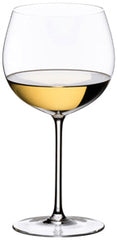
Serve at:
12 - 14 °C
Longevity:
05 - 10 years
- Start up year: 1898
- Oenologist: Willi Stürz
- Bottles produced: 1.900.000
- Hectares: 270
Today, we are 160 families tending approximately 270 hectares of vineyards. We pride ourselves on the fact that each bottle is the quintessence of our philosophy of life and work: accuracy, commitment, trust and creativity. Read more


| Name | Tramin Nussbaumer Gewurztraminer 2024 |
|---|---|
| Type | White still aromatic |
| Denomination | Alto Adige DOC |
| Vintage | 2024 |
| Size | 0,75 l |
| Alcohol content | 14.0% by volume |
| Grape varieties | 100% Traminer Aromatico |
| Country | Italy |
| Region | Trentino Alto Adige |
| Vendor | Cantina Tramin |
| Story | History and interesting facts Born in the renowned Nussbaumer vineyard, this Gewürztraminer from Cantina Tramin embodies over seven hundred years of prestigious winemaking history. The historic cooperative, founded in 1898 and led by oenologist Willi Stürz, has created a true icon of Alto Adige. Awarded 93 points by James Suckling and the Tre Bicchieri from Gambero Rosso, the wine expresses absolute varietal purity. This excellence also boasts a formidable ageing potential, with the ability to evolve masterfully in the bottle for a period ranging from seven to twenty years. |
| Origin | Sella, a hamlet of Termeno (Tramin), at the foot of Mount Roen, in the Maso Nussbaumer vineyard. |
| Climate | Significant diurnal temperature variations; warm days influenced by the Mediterranean climate and cold nights with mountain breezes; cool and breezy climate (influenced by Lake Caldaro/Lake Garda) |
| Soil composition | Limestone gravel and clay, with a subsoil of porphyry rock |
| Yield per hectare | 45 hl/ha |
| Harvest | From the end of September to the end of October |
| Fermentation temperature | 18°C |
| Production technique | Manual harvest; short cold maceration; gentle pressing; slow fermentation in temperature-controlled stainless steel tanks (18 °C); clarification by natural sedimentation; ageing on the lees in small steel containers; minimum of 3 months bottle ageing. |
| Wine making | Grapes are hand-harvested and placed in small containers to keep them intact; brief cold maceration in the must after crushing, followed by soft pressing. The free-run must ferments slowly in stainless steel tanks at a controlled temperature (18 °C), with racking via natural sedimentation and subsequent ageing in small steel containers in continuous contact with the lees; after bottling, it rests in the bottle for at least 3 months. |
| Aging | Matured in small stainless steel tanks, in continuous contact with the lees until the end of August; after bottling, it rests in the bottle for a minimum of 3 months; total minimum ageing of 14 months. |
| Total acidity | 4.8 gr/L |
| Residual sugar | 8.1 gr/L |
| Year production | 58 bottles |
| Allergens | Contains sulphites |