


Santa Margherita
Valdobbiadene Prosecco Superiore Brut Magnum
| Denomination | DOCG Conegliano Valdobbiadene Prosecco Spumante Superiore Brut |
|---|---|
| Size | 1,50 l |
| Alcohol content | 11.5% by volume |
| Area | Veneto (Italy) |
| Grape varieties | 100% Glera |
| Aging | Kept at a controlled temperature (8–10 °C) for at least one month in contact with the yeasts for natural refinement; matured for three months after fermentation. |
- DOCG Designation: Conegliano Valdobbiadene Prosecco Superiore Brut, Veneto
- Magnum Format 1.5 L: equivalent to 2 bottles, keeps the bubbles lively for longer
- Grapes and style: 100% Glera, dry white sparkling wine 11.5% vol, Charmat Method
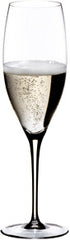
- Tasting notes: straw yellow, fine perlage; hints of renetta apple, citrus fruits and white flowers
- Pairings: 6–8 °C; suitable for seafood dishes, shellfish, fried foods and creamy first courses


Description
What kind of wine it is
This Valdobbiadene Prosecco Superiore Brut is a sparkling white wine, a true expression of Glera grapes. To the eye, it displays a bright straw yellow colour, enhanced by a fine and lively perlage. The aromatic profile, of good intensity, combines fragrant aromas of Renetta apple and citrus fruits with delicate white flowers. On the palate, it is enveloping and dry, balanced by a vibrant acidity and a clear mineral savouriness. The fresh and crisp finish highlights its gastronomic vocation, making it ideal for accompanying delicious seafood dishes and shellfish.
Where it comes from
The grapes grow on the hills between Valdobbiadene and Conegliano, in a winegrowing area characterised by steep slopes that ensure excellent natural drainage and ideal sun exposure. Situated at medium altitudes, the vineyards benefit from valuable temperature variations between day and night, a key factor in preserving the freshness and aromatic definition of the grapes. The pronounced mineral character on the palate derives from the morainic soils, which are shallow and rich in sandstone and conglomerates. In this region, Santa Margherita is a historic reference point, having been among the pioneers in sparkling Glera production since 1952.
How it is produced
Production begins with a rigorous manual harvest carried out in the second half of September. The secondary fermentation takes place in a pressurised tank following the principles of the Charmat Method, where the base wine ferments at a controlled temperature for about twenty days. Once the optimal pressure is reached, fermentation is stopped by cooling to preserve the primary aromas of the grape variety. The wine then rests for at least a month in close contact with the lees, a key stage that enriches its volume and structure. A final ageing phase of three months completes its profile, resulting in a sparkling wine that is clear and highly elegant.
History and Curiosities
Founded in 1935 by Count Gaetano Marzotto, Santa Margherita represents an excellence of the Veneto region, a pioneer since 1952 in the sparkling of Glera grapes between Valdobbiadene and Conegliano. This Prosecco Superiore DOCG, awarded 92 points by Decanter, skilfully combines tradition and innovation. The elegant Magnum format preserves its freshness and lively perlage for a long time, making every toast or exclusive celebration truly memorable.
Awards
-
 92
92/100
Decanter is a wine and lifestyle magazine, published monthly in around 90 countries. The magazine includes industry news, classic guides and advice on wine and spirits.
-
 88
88/100
James Suckling is an influential American wine critic and journalist who worked at Wine Spectator for 30 years. He left the magazine in 2010 to start his own website and guidebook (JamesSuckling.com). He specialises in Italian and Bordeaux wines.
Tasting notes

Perlage
Perfume

Color
Taste
Serve at:
08 - 10 °C
Longevity:
03 - 05 years
- Start up year: 1935
- Oenologist: Loris Vazzoler
- Bottles produced: 13.000.000
- Hectares: 135
Santa Margherita was born in 1935 from the vision of Count Gaetano Marzotto, who believed in a modern and efficient agriculture based on the harmonious cooperation of people, nature and technology.
87 years have passed since that visionary beginning, but the core values are unchanged and have allowed this dream to grow into one of Italy's most important wine realities, capable of keeping up with the times and interpreting changes in lifestyles and consumption thanks to its widespread presence in more than 90 countries on 5 continents.
One of the pioneers in the sparkling of the Glera grape variety on the hills of Valdobbiadene since 1952, Santa Margherita has helped transform a territorial sparkling wine into a global success.
The company is also credited with the birth of Pinot Grigio as the world knows it today: a wine that has conquered the palates of several generations of winelovers thanks to its contemporary style and extraordinary ability to be paired with different foods and situations, and that 60 years ago triggered a true revolution in taste and oenological pleasure.
In addition to innovation, sustainability is a founding value for Santa Margherita, which has always been convinced that everything that comes from a healthy environment, conducted with wise measure in respect of life cycles, carries a unique value.
We are proud to share the results achieved by Santa Margherita at the end of the tastings conducted as part of the Falstaff Trophy Prosecco 2025:
- 91/100 - Valdobbiadene Prosecco Superiore DOCG Brut, Santa Margherita Read more


| Name | Santa Margherita Valdobbiadene Prosecco Superiore Brut Magnum |
|---|---|
| Type | White charmat method sparkling wine brut |
| Denomination | Conegliano Valdobbiadene Prosecco DOCG |
| Size | 1,50 l |
| Alcohol content | 11.5% by volume |
| Grape varieties | 100% Glera |
| Country | Italy |
| Region | Veneto |
| Vendor | Santa Margherita |
| Story | History and Curiosities Founded in 1935 by Count Gaetano Marzotto, Santa Margherita represents an excellence of the Veneto region, a pioneer since 1952 in the sparkling of Glera grapes between Valdobbiadene and Conegliano. This Prosecco Superiore DOCG, awarded 92 points by Decanter, skilfully combines tradition and innovation. The elegant Magnum format preserves its freshness and lively perlage for a long time, making every toast or exclusive celebration truly memorable. |
| Origin | Hills between Valdobbiadene and Conegliano |
| Soil composition | Of morainic origin, shallow, with sandstones and conglomerates |
| Cultivation system | Sylvoz - Cappuccina |
| Plants per hectare | 3000-5000 |
| Harvest | Second half of September |
| Fermentation temperature | 14–16 °C |
| Fermentation | 18–20 days |
| Production technique | Charmat method |
| Wine making | Sparkling wine production using the Charmat method: the base wine ferments in a pressurised tank (secondary fermentation) for 18–20 days with selected yeasts at 14–16 °C until it reaches around 6 bar; it is then cooled to -4 °C to halt fermentation and stabilise, kept at a controlled temperature (8–10 °C) for at least a month in contact with the yeasts, then filtered and bottled under isobaric conditions. |
| Aging | Kept at a controlled temperature (8–10 °C) for at least one month in contact with the yeasts for natural refinement; matured for three months after fermentation. |
| Year production | 13000000 bottles |
| Allergens | Contains sulphites |