


Ruinart
Champagne Rose'
| Denomination | AOC Champagne Rosè Brut |
|---|---|
| Size | 0,75 l |
| Alcohol content | 12.5% by volume |
| Area | Champagne region (France) |
| Grape varieties | 55% Pinot Nero, 45% Chardonnay |
| Aging | Slow maturation in chalk cellars for up to 3 years; ageing on the lees in the bottle |
- Blend and style: Non-vintage Rosé Brut composed of 55% Pinot Noir and 45% Chardonnay
- Method and ageing: Traditional method with slow maturation in chalk cellars for up to three years
- Aromas: Hints of red fruits, pomegranate and rose, with floral notes and light spicy nuances
- Taste: Silky and vibrant palate, notes of grapefruit, persistent finish with toasted hints
- Serving and pairings: Serve at 6–8°C, ideal with raw fish, shellfish and white meats


Description
What kind of wine it is
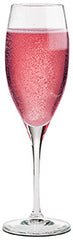
Ruinart Brut Rosé is a Champagne that expresses the character and elegance of the region, combining the freshness of Chardonnay with the smooth structure of Pinot Noir. A portion of the dark-skinned grapes is vinified as red wine to give the glass a garnet-pink hue and pronounced roundness. The secondary fermentation using the Traditional Method ensures a fine mousse, enhancing a bouquet of small red fruits, pomegranate and grapefruit. On the palate, it is silky and vibrant, finishing with persistent toasty notes and a finale of great balance. A dry and elegant profile, ideal for accompanying raw fish and delicate white meat dishes.
Where it comes from
The grapes for this blend come from the most renowned areas of the region, with production centred in Reims. Chardonnay is selected from vineyards in the Côte des Blancs and the Montagne de Reims, while Pinot Noir is sourced from the Montagne de Reims and the Marne Valley. The historic underground cellars, the crayères, provide a temperature-controlled environment essential for the yeast ageing process. Here, the Champagne undergoes a slow maturation that defines a layered aromatic profile and a well-balanced structure.
How it is produced
Manual harvesting allows for the selection of the best bunches to preserve their integrity. The must undergoes its first fermentation in stainless steel tanks at a controlled temperature, followed by malolactic fermentation which softens the palate. The blend is enriched with precious reserve wines to maintain the signature Ruinart style. The prise de mousse takes place using the Traditional Method, with extended ageing on the lees encouraging the development of evolved and complex aromas. The addition of a Brut dosage balances the fruity sensations, delivering a fresh and well-defined palate.
History and Curiosities
Founded in Reims in 1729 by Nicolas Ruinart, inspired by his uncle Dom Thierry, Ruinart is the oldest Champagne house. Its centuries-old heritage is reflected in this Champagne Brut Rosé, where the vivid freshness of Chardonnay embraces the elegance of Pinot Noir. The slow maturation for up to three years in the historic chalk cellars imparts exceptional aromatic harmony, enriched by notes of red fruits and rose. This cuvée boasts excellent ratings from James Suckling and Wine Spectator.
Awards
-
 90
90/100
Decanter is a wine and lifestyle magazine, published monthly in around 90 countries. The magazine includes industry news, classic guides and advice on wine and spirits.
-
 93
93/100
James Suckling is an influential American wine critic and journalist who worked at Wine Spectator for 30 years. He left the magazine in 2010 to start his own website and guidebook (JamesSuckling.com). He specialises in Italian and Bordeaux wines.
-
 89
89/100
The prestigious international wine guide from the renowned Robert Parker, the world's most experienced and trusted wine taster.
-
 90
90/100
Wine spectator is the most influential wine guide on the internet.
Tasting notes
Perlage

Perfume
Color
Taste
Serve at:
06 - 08 °C
Longevity:
05 - 10 years
- Start up year: 1729
The uncle of Nicolas Ruinart, Dom Thierry Ruinart, for whom the house's flagship wine is named, was a close friend of Dom Pérignon.
Read more


| Name | Ruinart Champagne Rosè |
|---|---|
| Type | Rosé classic method sparkling wine brut |
| Denomination | Champagne AOC |
| Size | 0,75 l |
| Alcohol content | 12.5% by volume |
| Grape varieties | 55% Pinot Nero, 45% Chardonnay |
| Country | France |
| Region | Champagne region |
| Vendor | Ruinart |
| Story | History and Curiosities Founded in Reims in 1729 by Nicolas Ruinart, inspired by his uncle Dom Thierry, Ruinart is the oldest Champagne house. Its centuries-old heritage is reflected in this Champagne Brut Rosé, where the vivid freshness of Chardonnay embraces the elegance of Pinot Noir. The slow maturation for up to three years in the historic chalk cellars imparts exceptional aromatic harmony, enriched by notes of red fruits and rose. This cuvée boasts excellent ratings from James Suckling and Wine Spectator. |
| Origin | Côte des Blancs, Montagne de Reims and Marne Valley (Champagne, France) |
| Fermentation | Up to 3 years |
| Production technique | Traditional method (Méthode Champenoise) |
| Wine making | Manual harvest. Fermentation in stainless steel tanks at controlled temperature, followed by malolactic fermentation. Traditional method (Méthode Champenoise) with a second fermentation in the bottle and ageing on the lees; slow maturation in chalk cellars (crayères) for up to 3 years. Blending with 20–25% reserve wines from the previous two vintages; Pinot Noir partially vinified as a red wine (18–19%) for colour and structure. Brut dosage. |
| Aging | Slow maturation in chalk cellars for up to 3 years; ageing on the lees in the bottle |
| Allergens | Contains sulphites |