


Rolly Gassmann
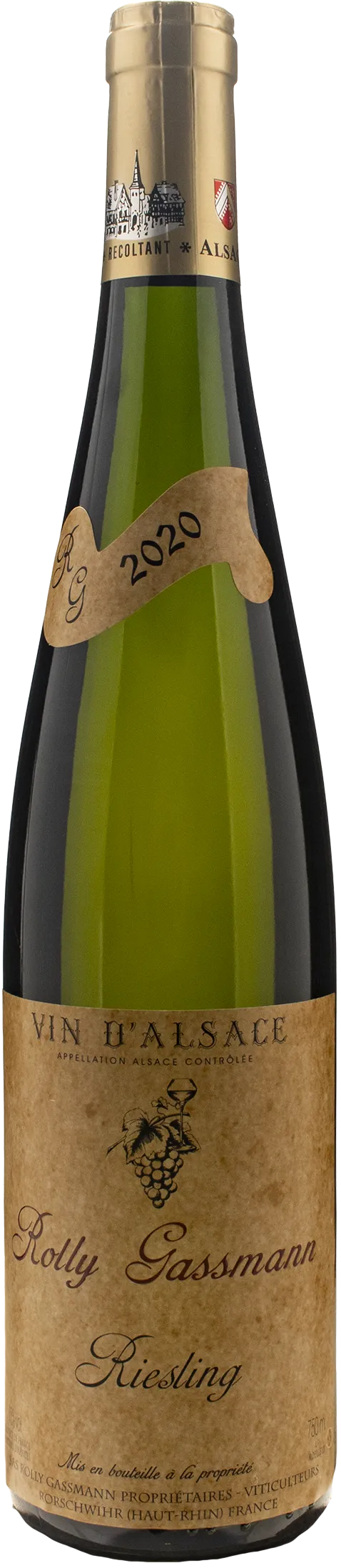
Alsace Riesling 2020
| Denomination | AOC Alsace |
|---|---|
| Size | 0,75 l |
| Alcohol content | 13.0% by volume |
| Area | Alsace (France) |
| Grape varieties | 100% Riesling |
| Aging | Once fermentation is complete, usually after a couple of months, the wine is left to rest and subsequently bottled within 11 months of the harvest. The bottles are then left to mature for a couple of years before being released for sale. |
- Name and vintage: Alsace AOC 2020, still white wine made from 100% Riesling grapes
- Sensory profile: notes of citrus, floral and mineral nuances, with a long and spicy finish
- Parcel vinification: gentle pressing and fermentation in separate containers
- Spontaneous fermentation: use of indigenous yeasts to enhance the character of the Rorschwihr area
- Organic certification: 13% vol, 0.75 l; ideal with fish, sushi and Thai cuisine
Description
What kind of wine is it
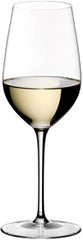
Rolly Gassmann Alsace Riesling is a still white wine produced in Alsace from Riesling grapes grown according to organic principles. In the glass, it displays a bright pale yellow hue, releasing an elegant bouquet of citrus fruits intertwined with delicate floral and mineral notes. On the palate, it is refined and pleasantly fruity, with excellent concentration leading to a long, spicy finish. Its pronounced freshness makes it an ideal companion for fish dishes, sushi, cheeses, and the flavourful recipes of Thai cuisine.
Where does it come from
This wine originates in Rorschwihr, an area of Alsace naturally protected by the Vosges mountains. This geographical barrier ensures a dry climate and promotes the optimal ripening of the grapes. The vines sink their roots into a complex layering of limestone, marl, and clay soils, enriched with sandy and granitic veins that impart a distinct mineral character to the palate. The Rolly Gassmann winery enhances this richness by vinifying each plot separately to highlight its unique identity.
How is it produced
Production begins with manual harvesting, followed by a gentle pressing of the grapes. The must ferments spontaneously thanks to the action of indigenous yeasts in separate vats; each vineyard is in fact processed individually to faithfully preserve the characteristics of each parcel. After resting for several months, the wine is bottled. This is followed by a crucial maturation in bottle of about two years, essential for perfectly integrating the aromatic structure before release.
History and Curiosities
Produced on the family estate of Rolly Gassmann in Rorschwihr, this organic Riesling expresses the authenticity of an Alsatian terroir protected by the Vosges mountains. The grapes, hand-picked at perfect ripeness, benefit from the local warm and dry climate. The parcel-based vinification with indigenous yeasts and gentle pressing enhances its unique essence. After bottling, the wine matures patiently for two years, acquiring a mineral profile of rare elegance, ideal for accompanying fish dishes and spicy recipes.
Tasting notes
Perfume
Color
Taste
Serve at:
10 - 12 °C
Longevity:
05 - 10 years
- Start up year: 1611
- Bottles produced: 300.000
- Hectares: 50
The winery is now run by Marie-Thérèse, Louis and their son Pierre Gassmann. The production is about 300,000 bottles per year, only 20% of which are destined for export outside France. The wines are powerful, precise, played on the difficult ridge of a vibrant acidity and balanced sweetness: Pinot Gris, Riesling and Gewurztraminer by Rolly-Gassmann give pure enjoyment especially to those who have the patience to wait for the legendary ability to evolve in the bottle. Read more


| Name | Rolly Gassmann Alsace Riesling 2020 |
|---|---|
| Type | White green still semi-aromatic |
| Denomination | Alsace AOC |
| Vintage | 2020 |
| Size | 0,75 l |
| Alcohol content | 13.0% by volume |
| Grape varieties | 100% Riesling |
| Country | France |
| Region | Alsace |
| Vendor | Rolly Gassmann |
| Story | History and Curiosities Produced on the family estate of Rolly Gassmann in Rorschwihr, this organic Riesling expresses the authenticity of an Alsatian terroir protected by the Vosges mountains. The grapes, hand-picked at perfect ripeness, benefit from the local warm and dry climate. The parcel-based vinification with indigenous yeasts and gentle pressing enhances its unique essence. After bottling, the wine matures patiently for two years, acquiring a mineral profile of rare elegance, ideal for accompanying fish dishes and spicy recipes. |
| Origin | Rorschwihr, Alsace, France |
| Climate | Region protected by the Vosges, the driest in France, with summers warmer than the national average |
| Soil composition | Limestone, marl and clay (also areas with sand and granite) |
| Fermentation | About a couple of months |
| Production technique | Soft pressing and fermentation in separate tanks with indigenous yeasts |
| Wine making | The grapes are brought to the winery, gently pressed and fermented in individual tanks with small additions of indigenous yeasts; each vineyard has its own fermentation tank and is vinified separately. |
| Aging | Once fermentation is complete, usually after a couple of months, the wine is left to rest and subsequently bottled within 11 months of the harvest. The bottles are then left to mature for a couple of years before being released for sale. |
| Allergens | Contains sulphites |