


Prunotto
Langhe Arneis 2025
| Denomination | DOC Langhe Arneis |
|---|---|
| Size | 0,75 l |
| Alcohol content | 12.5% by volume |
| Area | Piedmont (Italy) |
| Grape varieties | 100% Arneis |
| Aging | Before bottling, the wine was aged in stainless steel tanks at low temperature for several months. |
- Grape variety and designation: Langhe DOC, 100% Arneis, still white wine from Piedmont
- Vintage and alcohol content: harvested in 2025, 12.5% alcohol, elegant and refined character
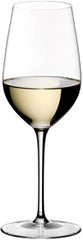
- Aroma and colour: floral and fruity notes; straw yellow colour with greenish highlights
- Taste: balanced structure and freshness, with a long and persistent finish
- Vinification and pairings: matured in steel; ideal with fish, white meats and cheeses


Description
What kind of wine it is
Langhe Arneis Arveja by Prunotto is a still white wine with the Langhe designation that embodies the elegance of Piedmont through the enhancement of the Arneis grape variety and vinification in steel. To the eye, it reveals a straw yellow colour enlivened by greenish highlights. The bouquet is intense and fragrant, defined by well-expressed floral and fruity notes. On the palate, it stands out for its good structure and harmonious freshness, finishing with a long and persistent finish that demonstrates the perfect balance of the drink.
Where it comes from
This white originates from the territories of Langhe and Roero, areas renowned for the cultivation of Arneis. Its inclusion in the prestigious Langhe designation underlines the deep connection with its geographical origin, offering a sensory profile focused on clarity. Prunotto interprets this native variety by enhancing the pure identity of the territory. Thanks to careful management, the wine delivers a precise varietal expression, rightfully positioning itself among the great white wines of Piedmont.
How it is produced
Production begins with harvesting the grapes in baskets and a gentle pressing. The must is clarified cold by natural decantation before fermentation, which takes place in stainless steel tanks at a controlled temperature. Maturation continues in steel at a low temperature to preserve the fragrance of the aromas. At the table, its liveliness pairs excellently with white fish dishes, delicate white meats, and refined cheese selections.
History and Curiosities
Located in Alba and managed by the Antinori family, the Prunotto winery expresses the true vocation of the Langhe with this elegant white. The Langhe DOC Arneis Arveja celebrates a noble native Piedmontese grape variety through a modern and balanced interpretation. The grapes are carefully harvested in baskets and undergo a gentle pressing to enhance their maximum aromatic expression. Thanks to meticulous refinement in steel at low temperature, the 2025 vintage displays a refined structure that preserves the identity of the region.
Tasting notes

Perfume

Color

Taste
Serve at:
10 - 12 °C
Longevity:
03 - 05 years
- Start up year: 1904
- Oenologist: Gianluca Torrengo
- Bottles produced: 1.116.400
- Hectares: 70
The Antinori family, charmed by such rich natural beauty, unique vineyards and soils, decided to invest time and energy in this terroir confident that their efforts would make Prunotto what it is today, one of the most important winemaking estates in the Piedmont region. Read more


| Name | Prunotto Langhe Arneis Arveja 2025 |
|---|---|
| Type | White still |
| Denomination | Langhe DOC |
| Vintage | 2025 |
| Size | 0,75 l |
| Alcohol content | 12.5% by volume |
| Grape varieties | 100% Arneis |
| Country | Italy |
| Region | Piedmont |
| Vendor | Prunotto |
| Story | History and Curiosities Located in Alba and managed by the Antinori family, the Prunotto winery expresses the true vocation of the Langhe with this elegant white. The Langhe DOC Arneis Arveja celebrates a noble native Piedmontese grape variety through a modern and balanced interpretation. The grapes are carefully harvested in baskets and undergo a gentle pressing to enhance their maximum aromatic expression. Thanks to meticulous refinement in steel at low temperature, the 2025 vintage displays a refined structure that preserves the identity of the region. |
| Origin | Langhe and Roero, Piedmont, Italy |
| Fermentation temperature | ≤18 °C |
| Fermentation | Approximately 15 days |
| Production technique | Harvesting in baskets, gentle pressing, cold settling, fermentation at controlled temperature (≤18 °C) and maturation in stainless steel tanks at low temperature |
| Wine making | The grapes, harvested in baskets, were gently pressed; the clear must was separated by cold decantation. Fermentation took place in stainless steel tanks at a controlled temperature (not exceeding 18°C) for about 15 days, followed by maturation in stainless steel tanks at low temperature for a few months before bottling. |
| Aging | Before bottling, the wine was aged in stainless steel tanks at low temperature for several months. |
| Allergens | Contains sulphites |