


Pol Roger
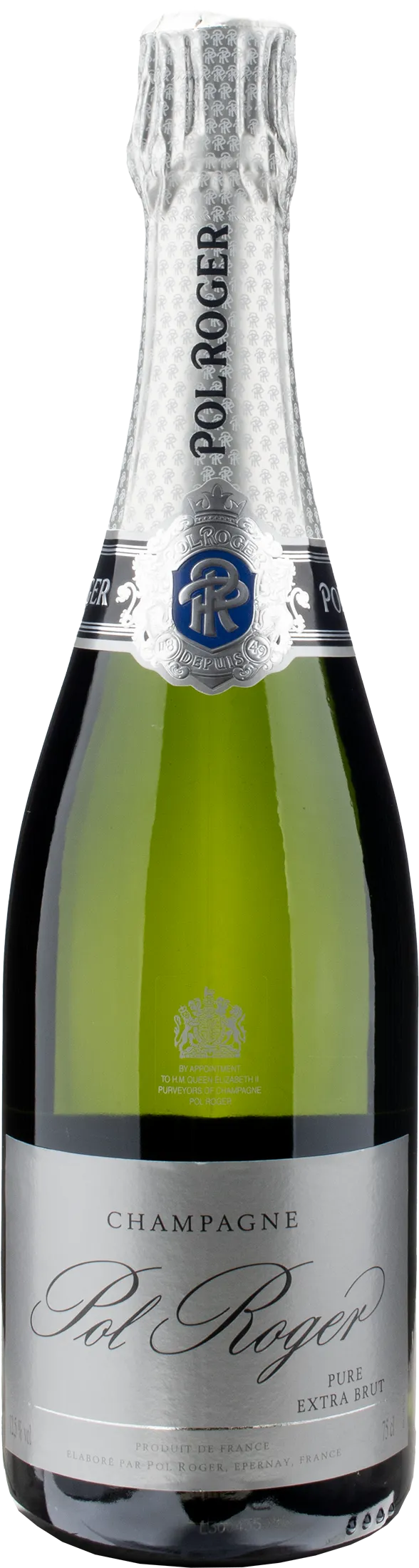
Champagne Pure Extra Brut
| Denomination | AOC Champagne Extra Brut |
|---|---|
| Size | 0,75 l |
| Alcohol content | 12.5% by volume |
| Area | Champagne region (France) |
| Grape varieties | Chardonnay, Pinot Meunier, Pinot Nero |
| Aging | Second fermentation and maturation in cool cellars at a depth of 33 metres; minimum three months' rest in bottle after disgorgement; base wines selected and aged for at least four years before the final blending; non-vintage cuvée with reserve wines aged for at least three years. |
- Extra Brut style: zero dosage, residual sugar 1.2 g/L, dry and vibrant taste
- Traditional method: second fermentation in the bottle and manual riddling
- Blend: 34% Chardonnay, 33% Pinot Noir, 33% Pinot Meunier
- Aromatic profile: notes of rose, cloves, yeast, bread crust and citrus fruits
- Serving and pairings: temperature 6-9°C, ideal with aperitifs, seafood, shellfish and meats

Description
What kind of wine is it
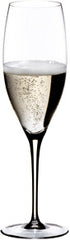
Pol Roger Champagne Pure Extra Brut is an elegant interpretation of Champagne. Crafted using the Traditional Method, this sparkling wine is made from a refined blend of Chardonnay, Pinot Noir and Pinot Meunier. In the glass, it appears golden yellow, enhanced by a fine and persistent perlage. The bouquet offers hints of cloves and rose, followed by notes of yeast, bread crust and lively citrus nuances. On the palate, the Extra Brut character stands out: a taut, fresh and vibrant sip, finishing with a concentrated structure and defined balsamic hints.
Where does it come from
This wine is produced in France, in the Épernay region, reflecting the rigorous style of Pol Roger. The grapes come from prestigious vineyards classified as Premier Crus, ensuring great territorial authenticity. To enhance its identity, each plot is vinified separately. The crucial stage of maturation and ageing takes place in the silence of cool underground cellars, dug 33 metres deep: a perfect environment to impart elegance and finesse to the aromatic profile that distinguishes the Champagne of this historic house.
How is it produced
The process begins with gentle pressing, followed by cold settling of the must. Alcoholic fermentation takes place at low temperature in stainless steel tanks, with the different grape varieties kept strictly separate. After malolactic fermentation, the final blend is created, harmoniously integrating reserve wines. The second fermentation in bottle continues in the depths of the cellars, where traditional remuage is carried out. After disgorgement and a further period of rest, the zero dosage allows the wine's natural expression to emerge fully with exceptional clarity.
History and Curiosities
Founded in Épernay in 1849, the house of Pol Roger embodies pure elegance and boasts a historic connection with the British royal family. This refined Extra Brut cuvée is created from grapes vinified separately and expertly blended with reserve wines aged for at least three years. The slow prise de mousse takes place in the silence of the cool underground cellars, 33 metres deep, following the traditional remuage method. After a careful period of rest following disgorgement, this zero dosage Champagne reveals on the palate all its lively and vibrant structural perfection.
Awards
-
 90
90/100
Decanter is a wine and lifestyle magazine, published monthly in around 90 countries. The magazine includes industry news, classic guides and advice on wine and spirits.
-
 93
93/100
James Suckling is an influential American wine critic and journalist who worked at Wine Spectator for 30 years. He left the magazine in 2010 to start his own website and guidebook (JamesSuckling.com). He specialises in Italian and Bordeaux wines.
-
 91
91/100
Vinous is the online guide from Antonio Galloni, one of the world's leading wine connoisseurs.
Tasting notes

Perlage
Perfume
Color
Taste
Serve at:
06 - 08 °C
Longevity:
05 - 10 years
- Start up year: 1849
- Bottles produced: 1.300.000
It is also a source of infinite pleasure. Pol roger Champagne has a soul, created by the union of a family's spirit and the character of a vineyard. The winery and the cellars are located on the celebrated and noble avenue de Champane in Espernay, the very place where the heart of champagne beats. The purity and the nobility of the Pol roger Champagne is also the fruit of the know-how, passed down from generation to generation.
From the harvest in the region's best vineyards, to the painstaking work in the cellar, each gesture has its own importance. Read more



| Name | Pol Roger Champagne Pure Extra Brut |
|---|---|
| Type | White classic method sparkling wine extra brut |
| Denomination | Champagne AOC |
| Size | 0,75 l |
| Alcohol content | 12.5% by volume |
| Grape varieties | Chardonnay, Pinot Meunier, Pinot Nero |
| Country | France |
| Region | Champagne region |
| Vendor | Pol Roger |
| Story | History and Curiosities Founded in Épernay in 1849, the house of Pol Roger embodies pure elegance and boasts a historic connection with the British royal family. This refined Extra Brut cuvée is created from grapes vinified separately and expertly blended with reserve wines aged for at least three years. The slow prise de mousse takes place in the silence of the cool underground cellars, 33 metres deep, following the traditional remuage method. After a careful period of rest following disgorgement, this zero dosage Champagne reveals on the palate all its lively and vibrant structural perfection. |
| Origin | Épernay, France |
| Fermentation temperature | 18°C |
| Production technique | Traditional method (classic method) |
| Wine making | The grapes are pressed immediately and gently; the must is clarified in the press and then in the cellar at a cold temperature of 6°C for 24 hours. Alcoholic fermentation takes place at a low temperature (18°C) in temperature-controlled stainless steel tanks, with each grape variety and area vinified separately until the final blending. All wines undergo malolactic fermentation. The second fermentation occurs in the bottle and the wine is matured in cool cellars 33 metres underground; traditional riddling is carried out before disgorgement. The wine rests in the bottle for a minimum of three months after disgorgement. This is a non-vintage cuvée with reserve wines of at least three years; base wines are selected and aged for at least four years before the final blending. No dosage (zero dosage) is added. |
| Aging | Second fermentation and maturation in cool cellars at a depth of 33 metres; minimum three months' rest in bottle after disgorgement; base wines selected and aged for at least four years before the final blending; non-vintage cuvée with reserve wines aged for at least three years. |
| Total acidity | 6.6 gr/L |
| Residual sugar | 1.2 gr/L |
| Year production | 1300000 bottles |
| Allergens | Contains sulphites |