


Pojer e Sandri
Metodo Classico Brut Rosè
| Denomination | VSQ |
|---|---|
| Size | 0,75 l |
| Alcohol content | 12.5% by volume |
| Area | Trentino Alto Adige (Italy) |
| Grape varieties | 50% Chardonnay, 50% Pinot Nero |
| Aging | The base wines rest for 6 months on their own lees; disgorgement takes place after at least 18–24 months of ageing on the lees. |
- Blend and style: Brut rosé sparkling wine made from 50% Chardonnay and 50% Pinot Noir
- Traditional Method: Second fermentation in the bottle with ageing on the lees for 18–24 months
- Complex aroma: Notes of morello cherry and raspberry, almond, hazelnut and pastry nuances
- Palate and perlage: Creamy and savoury taste with fine, persistent bubbles
- Serving and awards: Serve at 6–8 °C; 89/100 from Decanter and Robert Parker


Description
What kind of wine it is
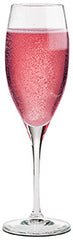
Pojer e Sandri Metodo Classico Brut Rosé is a refined sparkling rosé from Trentino, the result of a harmonious blend of Pinot Noir and Chardonnay. This wine fully expresses the character of the Dolomites Vineyards, revealing a dry, fresh profile with a savoury sip. Crafted according to the Traditional Method, it develops a creamy and vibrant structure, enhanced by a fine and persistent perlage. The aromatic bouquet is broad and complex, dominated by fragrant hints of red fruits combined with notes of almond and hazelnut, which fade into a delicately toasted finish.
Where it comes from
The grapes ripen in the hilly area of the Dolomites Vineyards, in Trentino, at an altitude between 450 and 700 metres, among the vineyards of Faedo and the locality of Valbona, in Cembra. The soils of Faedo originate from the meeting of a volcanic porphyry platform and sedimentary deposits composed of marl, limestone and dolomite. The soils of Valbona, on the other hand, are characterised by dark brown sands, rich in stones and shaped by glacial action. This geological variety gives the grapes exceptional vitality, laying the foundations for the wine’s natural savouriness.
How it is produced
The base wines ferment in small oak barrels, with a portion maturing in containers previously used for the Divino distillate. After six months resting on the lees with weekly stirring, the secondary fermentation in bottle begins in spring, as required by the Traditional Method. Disgorgement takes place after 18-24 months of ageing, a crucial period for defining its gustatory structure. The final dosage respects the elegant Brut style, delivering a dry sip and a velvety, fine carbonation.
History and Curiosities
Founded in Faedo in 1975, the company Pojer e Sandri made history as a pioneer of Chardonnay in Italy. Under the guidance of oenologist Mario Pojer, the winery combines innovation and tradition, introducing techniques such as grape washing and nitrogen-reduction pressing to limit the use of sulphites. The commitment to organic and sustainable viticulture aims for the purest expression of the terroir with minimal intervention. This fascinating Brut Rosé, with a label adorned by a work of Albrecht Dürer, represents the family's excellence.
Awards
-
 89
89/100
Decanter is a wine and lifestyle magazine, published monthly in around 90 countries. The magazine includes industry news, classic guides and advice on wine and spirits.
-
 89
89/100
The prestigious international wine guide from the renowned Robert Parker, the world's most experienced and trusted wine taster.
-
 3
3One of the most prestigious wine guides in Italy.
Tasting notes

Perlage

Perfume

Color

Taste
Serve at:
06 - 08 °C
Longevity:
05 - 10 years
- Start up year: 1975
- Oenologist: Mario Pojer
- Bottles produced: 250.000
- Hectares: 33
Faedo 1998: We are already starting to show our thirst for innovation: we are among the first at a national level to market Chardonnay, which until then was practically unknown.
Faedo 2002: We patent the reduction and press vinification with nitrogen recovery, which drastically reduces the use of sulphites. We then begin to wash the grapes through the grape jacuzzi.
The arrival of Marianna, Matteo, Fiamma, Elisa and Federico has brought further life and energy to this dream in which passion and innovation are the keystone.
Faedo 2013: The Zero Infinito project is born: Zero chemical treatments in the countryside, Zero sulphur dioxide, Zero commercial yeasts, Zero clarifying agents, Zero filtrations, Zero antioxidants. Read more


| Name | Pojer e Sandri Metodo Classico Brut Rosè |
|---|---|
| Type | Rosé green classic method sparkling wine brut |
| Denomination | VSQ |
| Size | 0,75 l |
| Alcohol content | 12.5% by volume |
| Grape varieties | 50% Chardonnay, 50% Pinot Nero |
| Country | Italy |
| Region | Trentino Alto Adige |
| Vendor | Pojer e Sandri |
| Story | History and Curiosities Founded in Faedo in 1975, the company Pojer e Sandri made history as a pioneer of Chardonnay in Italy. Under the guidance of oenologist Mario Pojer, the winery combines innovation and tradition, introducing techniques such as grape washing and nitrogen-reduction pressing to limit the use of sulphites. The commitment to organic and sustainable viticulture aims for the purest expression of the terroir with minimal intervention. This fascinating Brut Rosé, with a label adorned by a work of Albrecht Dürer, represents the family's excellence. |
| Origin | Faedo (località Pianezzi), località Palai, Cembra (località Valbona) |
| Soil composition | Faedo: between the Permian formation of the porphyry platform (volcanic rock) and the Werfenian deposits of sandstones, siltstones, marls, limestones and dolomites; silty-calcareous soils on marly conglomerate, depth 30–100 cm. Valbona: dark brown sandy soils, rich in stones, developed on porphyry rock of volcanic origin. |
| Cultivation system | Open Trentino pergola (Faedo) and Guyot (Cembra) |
| Plants per hectare | 6000 vines/ha (Faedo); 6200 vines/ha (Cembra) |
| Fermentation | At least 18–24 months on the lees |
| Production technique | Traditional method (second fermentation in bottle) |
| Wine making | Fermentation of the base wine takes place in small oak barrels; the Pinot Noir is placed in barrels previously used to age the "Divino" spirit. The base wines remain on their lees for 6 months with weekly stirring ("hourglass effect"); in spring, secondary fermentation in the bottle is carried out (traditional method). Disgorgement takes place after at least 18–24 months on the lees. |
| Aging | The base wines rest for 6 months on their own lees; disgorgement takes place after at least 18–24 months of ageing on the lees. |
| Allergens | Contains sulphites |