


Monte Rossa
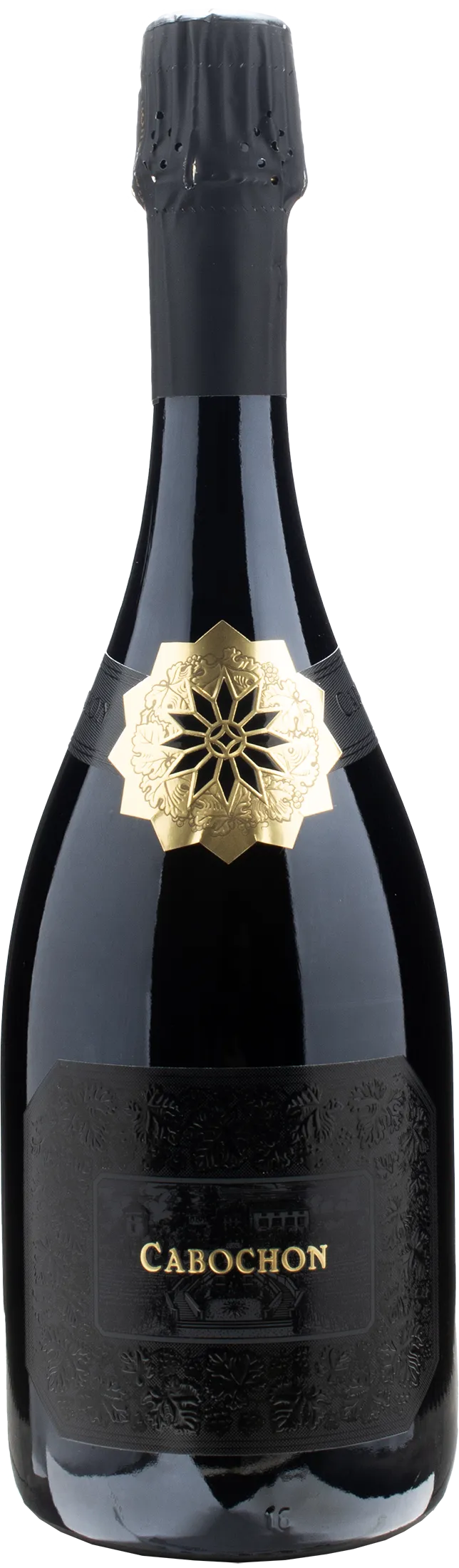
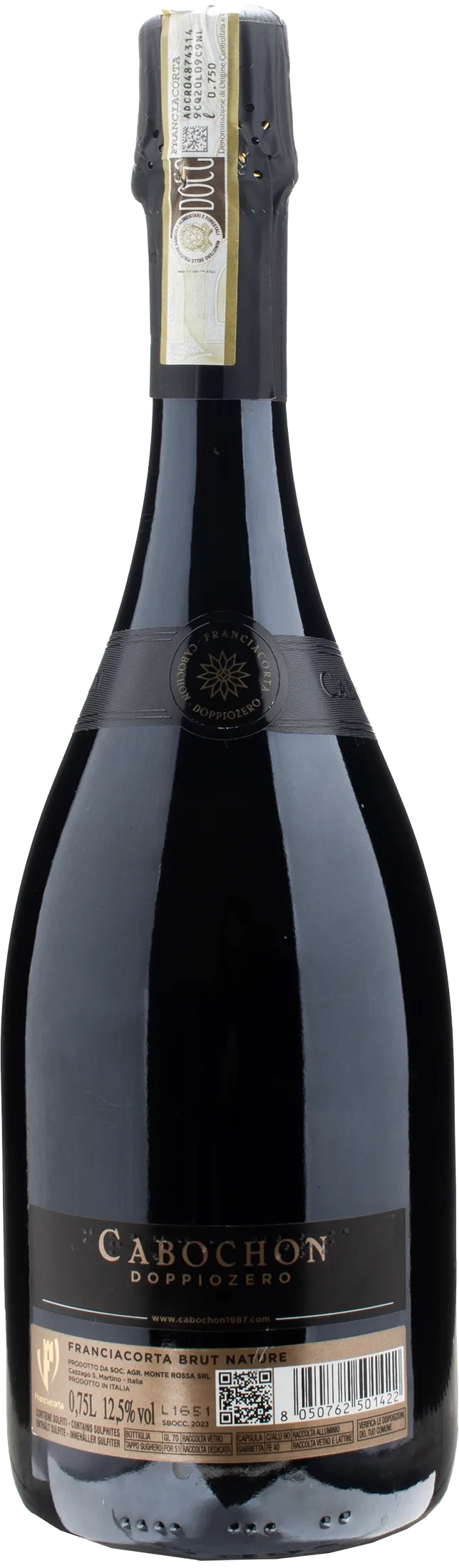
Franciacorta Cabochon Doppiozero Brut Nature 2018
| Denomination | DOCG Franciacorta Dosaggio Zero |
|---|---|
| Size | 0,75 l |
| Alcohol content | 12.5% by volume |
| Area | Lombardy (Italy) |
| Grape varieties | 70% Chardonnay, 30% Pinot Nero |
| Aging | Over 48 months on the lees |
- Name and vintage: Franciacorta DOCG 2018, Cabochon Doppiozero Monte Rossa
- Grape variety: 70% Chardonnay and 30% Pinot Noir from selected Bornato crus
- Style and method: Classic Method Brut Nature, with no added sugars
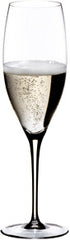
- Ageing and perlage: over 48 months on the lees, fine and persistent bubbles
- Tasting notes and pairings: hints of bergamot and peach, taut palate, ideal with fish and shellfish
Description
What kind of wine it is
Monte Rossa Franciacorta Cabochon Doppiozero Brut Nature is a Lombard excellence born from a blend that combines Chardonnay and Pinot Noir. Crafted according to the principles of the Traditional Method, it is expressed as a Brut Nature with zero dosage, offering great purity. In the glass, it displays a golden hue with greenish highlights, enlivened by a fine and persistent perlage. The aromatic bouquet blends notes of bergamot, Saturn peach, chamomile and jasmine with subtle hints of tobacco. On the palate, it is taut, vibrant and remarkably persistent.
Where it comes from
The grapes for this Franciacorta grow on the moraine hills of Bornato, in the heart of the region. The glacial soils give the wine extreme precision and a continuous, harmonious drinkability. The area benefits from a favourable subalpine-influenced climate, characterised by currents generated by thermal exchanges between the plain and nearby Lake Iseo. Monte Rossa has operated in this area since 1972, focusing its winemaking research on the enhancement of the estate's most suitable crus.
How it is produced
After careful manual selection in the vineyard, each cru is vinified separately. A gentle pressing allows only the best fraction of the must to be extracted, which then ferments in oak barrels during the winter period. The subsequent ageing of over 48 months on the lees gives the wine depth and a complex structure. Its pure character, free from added sugars, enhances citrusy notes that are perfect for accompanying seafood starters, shellfish and cheese selections.
History and Curiosities
Founded in 1972, the Monte Rossa winery enhances the Franciacorta region through its iconic Cabochon cuvée. The 2018 vintage is born from the finest crus of Bornato, fermented in oak barrels and subjected to over 48 months of ageing on the lees. Presented in its purest form as Brut Nature, with no added sugars, it expresses a bold character and extraordinary depth. Awarded prestigious accolades such as the 3 Gold Stars Veronelli, this Lombard excellence skilfully blends tradition and technical innovation, offering a taut, crisp sip with unrivalled persistence.
Awards
-
2018
 5
5Italian Sommelier Foundation (FIS) guide This has been one of the most prestigious wine guides in Italy for over 10 years.
-
2018
 2
2This guide is highly respected and offers the most comprehensive review of Italian wines. It has a long tradition and is based on blind tastings carried out by over 100 experts.
-
2018
 3
3One of the most prestigious wine guides in Italy.
-
2018
 4
4Italian Sommelier Association (AIS) guide
Tasting notes

Perlage
Perfume

Color

Taste
Serve at:
06 - 08 °C
Longevity:
05 - 10 years
- Start up year: 1972
- Oenologist: Emanuele Rabotti
- Bottles produced: 500.000
- Hectares: 70
The history of Monte Rossa is starred by strategically winning decisions such as being first to abandon still wines to search for excellence in Franciacorta, or the determination to invest in technology, or again the continuous research and experimentation distinguishing this winery.
Today the Monte Rossa Company manages 70 hectars of vineyards. The different locations of cru on plots with different exposition contribute to increase the aromatic richness of grapes in such a way to make up very rich cuvée under the frame and complexity aspect. The Company production is 500.000 bottles approx. per year. Read more


| Name | Monte Rossa Franciacorta Cabochon Doppiozero Brut Nature 2018 |
|---|---|
| Type | White brut |
| Denomination | Franciacorta DOCG |
| Vintage | 2018 |
| Size | 0,75 l |
| Alcohol content | 12.5% by volume |
| Grape varieties | 70% Chardonnay, 30% Pinot Nero |
| Country | Italy |
| Region | Lombardy |
| Vendor | Monte Rossa |
| Story | History and Curiosities Founded in 1972, the Monte Rossa winery enhances the Franciacorta region through its iconic Cabochon cuvée. The 2018 vintage is born from the finest crus of Bornato, fermented in oak barrels and subjected to over 48 months of ageing on the lees. Presented in its purest form as Brut Nature, with no added sugars, it expresses a bold character and extraordinary depth. Awarded prestigious accolades such as the 3 Gold Stars Veronelli, this Lombard excellence skilfully blends tradition and technical innovation, offering a taut, crisp sip with unrivalled persistence. |
| Origin | Franciacorta DOCG, morainic hills of Bornato, Brescia, Lombardy, Italy |
| Climate | Subalpine influenced climate: hills south of Lake Iseo with thermal exchanges between the plain and the lake generating local air currents |
| Soil composition | Glacial moraine |
| Cultivation system | Cordone speronato a 70 cm da terra; Guyot |
| Plants per hectare | 5000 plants per hectare |
| Yield per hectare | 85 quintals per hectare (maximum) |
| Fermentation | Between September and February |
| Production technique | Traditional Method |
| Wine making | Each cru is vinified separately; gentle pressing with selection of the best part of the must (yield not exceeding 48%); fermentation in 250-litre oak barrels between September and February. |
| Aging | Over 48 months on the lees |
| Allergens | Contains sulphites |