


Casa E. di Mirafiore
Langhe Nascetta 2022
| Denomination | DOC Langhe Nascetta |
|---|---|
| Size | 0,75 l |
| Alcohol content | 13.0% by volume |
| Area | Piedmont (Italy) |
| Grape varieties | 100% Nascetta |
| Aging | After racking 8–10 days after the end of fermentation, the wine rests on its fine lees until early spring and matures in large Slavonian oak barrels before bottling. |
- Origin and style: Still organic and vegan white wine produced in Serralunga d’Alba, Piedmont
- Grape variety and vintage: 100% Nascetta grapes, Langhe DOC, 2022; 13% vol; 0.75 l
- Aroma and taste: Notes of white fruit and apricot; enveloping, fresh and savoury on the palate
- Vinification: Fermentation in concrete at 16°C and ageing on fine lees in oak barrels
- Pairings: Ideal with aperitifs, shellfish, risottos and cheeses; serve at 10–12°C


Description
What kind of wine it is
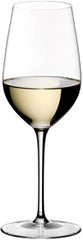
Mirafiore Langhe Nascetta is a still white wine, organic and vegan, an authentic expression of the Langhe region. In the glass, it displays a straw yellow colour enhanced by clear greenish highlights. The bouquet reveals aromas of white-fleshed fruit and apricot, which, over time, evolve into elegant notes of aromatic herbs. On the palate, it is enveloping and lively, supported by a vibrant acidity that accentuates its freshness. The excellent persistence and pronounced savoury texture make each sip well-balanced, showcasing the best characteristics of the Nascetta grape variety.
Where it comes from
This wine originates in Serralunga d’Alba, in the heart of Piedmont, where Mirafiore cultivates its vineyards according to organic farming principles. The vines, situated at around three hundred metres above sea level, benefit from south and south-east exposures, optimal conditions for balanced ripening of the grapes. The clay soils, enriched with calcareous marl, are fundamental elements that give the wine minerality and a solid gustatory structure. This specific pedoclimatic context allows for an authentic varietal expression of Nascetta, in full respect of its native territory.
How it is produced
As soon as they are harvested, the grapes are brought to the winery and cooled to preserve their full aromatic potential. The whole bunch pressing, carried out without destemming, allows for the gentle extraction of the free-run must, which is then clarified by static decantation. Fermentation takes place in cement vats at a controlled temperature for about three weeks. After the first racking, the wine matures on its fine lees until the beginning of spring, completing its journey with ageing in Slavonian oak barrels to acquire greater depth and complexity.
History and Curiosities
Founded in 1878 in Serralunga d’Alba, Casa E. di Mirafiore celebrates the authenticity of the region with its Langhe Nascetta 2022. This refined organic white wine and vegan wine is the result of careful fermentation in concrete, followed by prolonged ageing on fine lees. The prestigious ageing in Slavonian oak enhances its structure and enveloping complexity. An expression of Piedmontese tradition and the Langhe DOC, it boasts significant accolades: 4 FIS Grapes, 3 AIS Vines and 88/100 from Wine Spectator.
Awards
-
2022
 4
4Italian Sommelier Foundation (FIS) guide This has been one of the most prestigious wine guides in Italy for over 10 years.
-
2022
 2
2One of the most prestigious wine guides in Italy.
-
2022
 3
3Italian Sommelier Association (AIS) guide
-
2022
 88
88/100
Wine spectator is the most influential wine guide on the internet.
Tasting notes

Perfume

Color

Taste
Serve at:
10 - 12 °C
Longevity:
05 - 10 years
- Start up year: 1878
- Oenologist: Andrea Conti
- Bottles produced: 200.000
- Hectares: 25
Since 1878, Casa E. Di Mirafiore has been overlooking this UNESCO world heritage landscape with his estates in Barolo and Serralunga, the heart of one of the world's most famous wines: Barolo. It is also thanks to Casa E. Di Mirafiore that the world is aware of Barolo. It is in fact the first winery to export Barolo worldwide.
This estate is synonymous with quality, as it is home to two of the best Cru vineyards in the Langhe: Lazzarito (on one of Serralunga d'Alba's most magnificent slopes) and Paiagallo.
In this town, Serralunga d'Alba, tradition is never forgotten. Even today, the style of Casa E. Mirafiore is defined by fermentation in concrete tanks and enormous Slavonian oak barrels for ageing. Read more


| Name | Mirafiore Langhe Nascetta 2022 |
|---|---|
| Type | White organic still |
| Denomination | Langhe DOC |
| Vintage | 2022 |
| Size | 0,75 l |
| Alcohol content | 13.0% by volume |
| Grape varieties | 100% Nascetta |
| Country | Italy |
| Region | Piedmont |
| Vendor | Casa E. di Mirafiore |
| Story | History and Curiosities Founded in 1878 in Serralunga d’Alba, Casa E. di Mirafiore celebrates the authenticity of the region with its Langhe Nascetta 2022. This refined organic white wine and vegan wine is the result of careful fermentation in concrete, followed by prolonged ageing on fine lees. The prestigious ageing in Slavonian oak enhances its structure and enveloping complexity. An expression of Piedmontese tradition and the Langhe DOC, it boasts significant accolades: 4 FIS Grapes, 3 AIS Vines and 88/100 from Wine Spectator. |
| Origin | Serralunga d'Alba (Piemonte) |
| Soil composition | Clay soils rich in calcareous marl |
| Yield per hectare | 55 hl/ha |
| Fermentation temperature | Approximately 16 °C |
| Fermentation | At least 3 weeks |
| Production technique | Fermentation in cement tanks at controlled temperature (around 16 °C) and ageing in large Slavonian oak barrels with time spent on fine lees |
| Wine making | After the harvest, the grapes, collected in small crates, are immediately taken to the winery and, if necessary, cooled; this is followed by whole bunch pressing without destemming and static decantation of the must for 24–36 hours. The must ferments in cement tanks at a controlled temperature (about 16 °C) for around three weeks; after a racking 8–10 days after the end of fermentation, the wine rests on the fine lees until early spring and matures in large Slavonian oak barrels before bottling. |
| Aging | After racking 8–10 days after the end of fermentation, the wine rests on its fine lees until early spring and matures in large Slavonian oak barrels before bottling. |
| Year production | 200000 bottles |
| Allergens | Contains sulphites |