


Louis Lequin
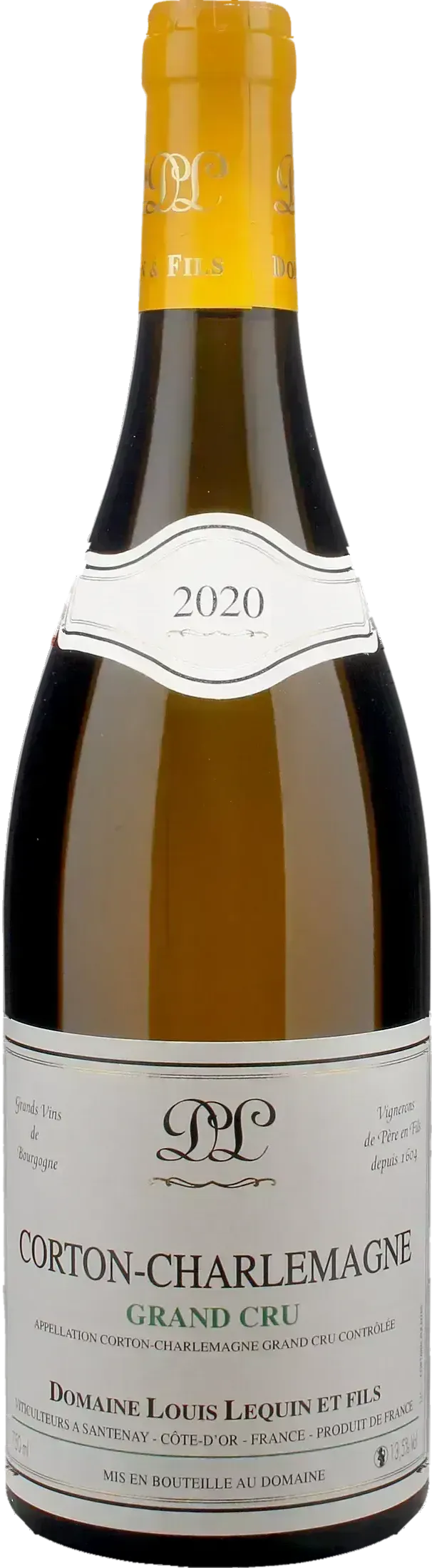
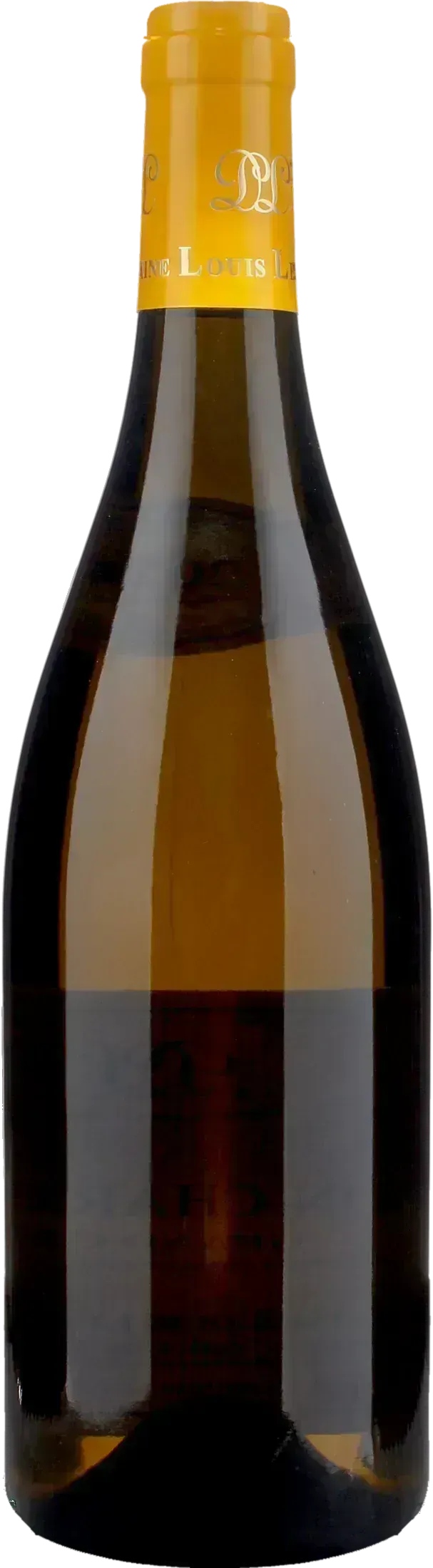
Corton-Charlemagne Grand Cru 2020
| Denomination | AOC Corton Grand Cru |
|---|---|
| Size | 0,75 l |
| Alcohol content | 13.5% by volume |
| Area | Burgundy (France) |
| Grape varieties | 100% Chardonnay |
| Aging | Ageing on the lees for 10–12 months (approximately one year) in French oak barriques/barrels, with regular bâtonnage; 20–30% new oak. |
- Burgundy Grand Cru White: Chardonnay from Aloxe-Corton, Les Languettes area
- Aromatic profile: hints of white flowers, honey, spices and marked mineral notes
- Palate: refined structure, tension and mineral finesse, long and persistent finish
- Artisan winemaking: manual harvesting, use of indigenous yeasts, ageing in French oak
- Ageing and rarity: 10–12 months on the lees with bâtonnage; annual production of 1,500 bottles
Description
The elegance of Corton Charlemagne
Louis Lequin's Corton Charlemagne Grand Cru is a white Burgundy wine made from Chardonnay grapes. An expression of the historic Appellation d'Origine Contrôlée with Grand Cru classification, the wine is distinguished by an elegant structure and a deep mineral character. The bouquet offers notes of white flowers, spices and hints of honey, supported on the palate by a firm gustatory tension. The winemaking process enhances the raw materials through spontaneous fermentation and ageing on the lees in French oak barrels, ensuring a persistent finish.
The renowned terroir of Aloxe-Corton
This white wine originates in Burgundy, in the renowned commune of Aloxe-Corton. The vines thrive in the historic Languettes area, a plot adjacent to Clos du Roi. This terroir enjoys excellent soil and climate conditions that favour the perfect ripening of the clusters, transferring an unmistakable mineral elegance to the glass. To protect the authenticity of the territory, the winery employs rigorous integrated management and sustainable farming practices, using exclusively organic fertilisers and protecting soil biodiversity through natural grassing.
Crafting in oak barrels
The artisanal production starts with a manual harvest, necessary to keep the fruit intact. After crushing and pressing, fermentation takes place with indigenous yeasts inside French oak barrels. This phase evolves very slowly and can last until spring. The wine then ages on the lees for about a year, accompanied by regular bâtonnage which helps to expand the structure and volume of each sip. The targeted use of new wood refines the characteristics of this prestigious label, bottled directly at the winery.
History and interesting facts
Produced in just 1,500 bottles per year, this Grand Cru carries forward the centuries-old tradition of Domaine Louis Lequin et Fils. The renowned Languettes plot, located in Aloxe-Corton and close to Clos du Roi, represents a legendary terroir in Burgundy, cultivated with the utmost respect for the soil using organic fertilisers and integrated management. Here, the vines benefit from an ideal position that translates in the glass into an incomparable mineral elegance, an authentic and faithful witness to one of the most prestigious wine-growing regions in the world.
Tasting notes
Perfume
Color
Taste
Serve at:
10 - 12 °C
Longevity:
15 - 25 years
I prune the Pinot Noir vines according to the Cordon de Royat method; this allows me to limit the yield, to aerate the vine and to give more sunlight to the grapes. These factors give greater grape maturity, more colour and more flavour. Read more


| Name | Louis Lequin Corton Charlemagne Grand Cru 2020 |
|---|---|
| Type | White green still |
| Denomination | Corton AOC |
| Vintage | 2020 |
| Size | 0,75 l |
| Alcohol content | 13.5% by volume |
| Grape varieties | 100% Chardonnay |
| Country | France |
| Region | Burgundy |
| Vendor | Louis Lequin |
| Story | History and interesting facts Produced in just 1,500 bottles per year, this Grand Cru carries forward the centuries-old tradition of Domaine Louis Lequin et Fils. The renowned Languettes plot, located in Aloxe-Corton and close to Clos du Roi, represents a legendary terroir in Burgundy, cultivated with the utmost respect for the soil using organic fertilisers and integrated management. Here, the vines benefit from an ideal position that translates in the glass into an incomparable mineral elegance, an authentic and faithful witness to one of the most prestigious wine-growing regions in the world. |
| Origin | Aloxe-Corton (Burgundy, Côte-d'Or, France), Languettes area (near Clos du Roi) |
| Fermentation | It can last until the following spring |
| Production technique | Fermentation with indigenous yeasts in French oak barriques/barrels; ageing on the lees with regular bâtonnage. |
| Wine making | Hand-harvested. The bunches are crushed and pressed; fermentation takes place exclusively with indigenous yeasts in French oak barrels/barriques and can last until the following spring. Ageing on the lees follows for approximately 10–12 months (about a year) with regular bâtonnage; 20–30% new oak is used. Estate bottled. |
| Aging | Ageing on the lees for 10–12 months (approximately one year) in French oak barriques/barrels, with regular bâtonnage; 20–30% new oak. |
| Year production | 1500 bottles |
| Allergens | Contains sulphites |