


Lis Neris
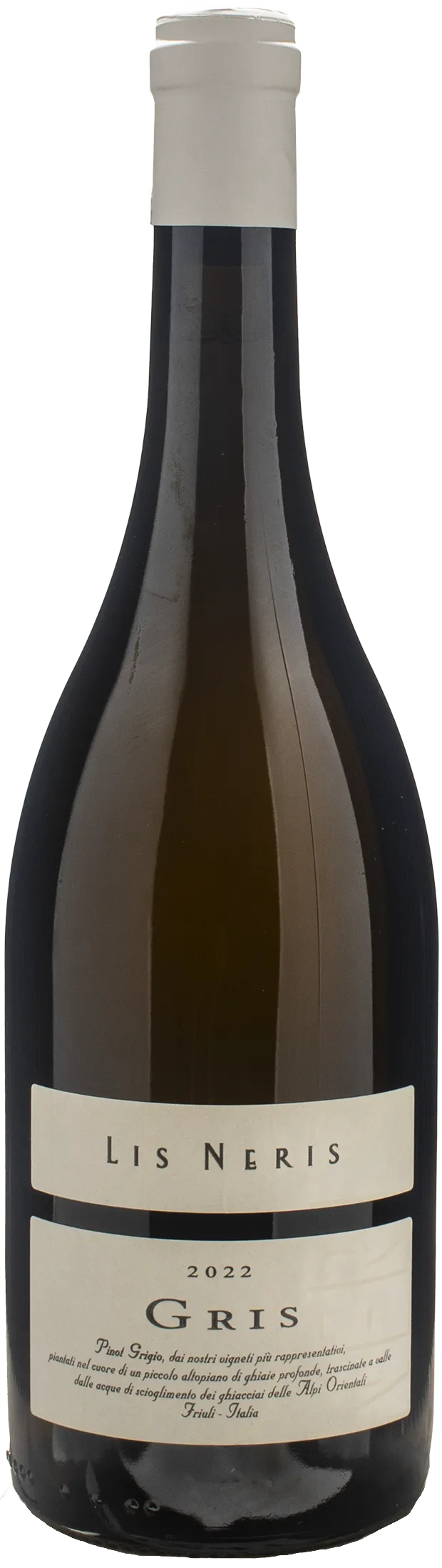
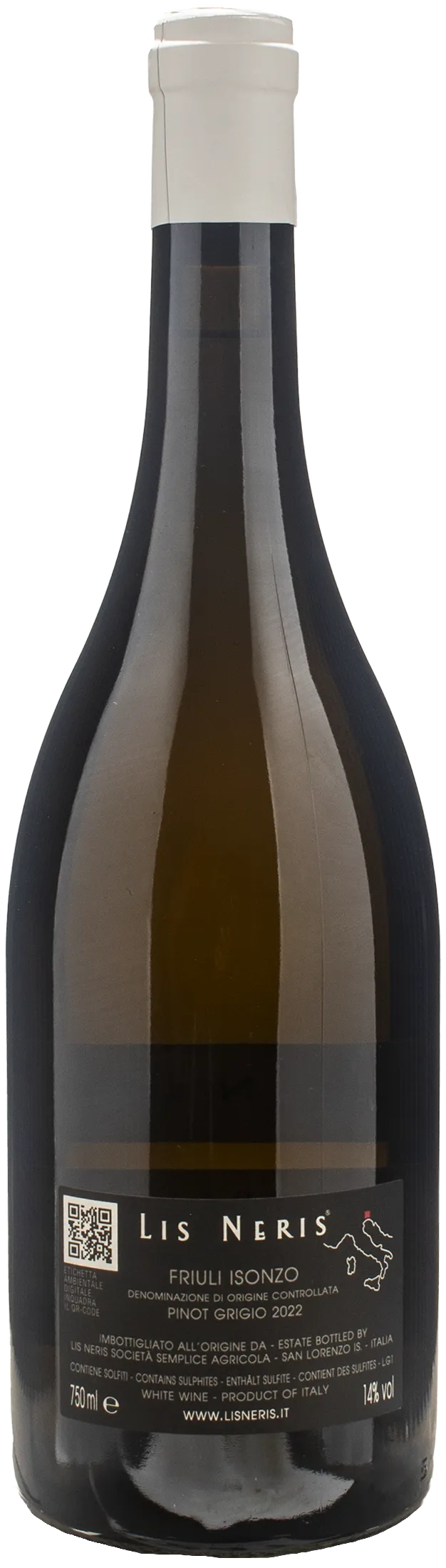
Friuli Isonzo Pinot Grigio Gris 2022
| Denomination | DOC Friuli Isonzo Pinot Grigio |
|---|---|
| Size | 0,75 l |
| Alcohol content | 14.0% by volume |
| Area | Friuli-Venezia Giulia (Italy) |
| Grape varieties | 100% Pinot Grigio |
| Aging | Maturation on fine lees for 10–11 months with frequent bâtonnage in the same containers used for fermentation; bottle ageing for 4 months. |
- Identity: Friuli Isonzo DOC 2022, 100% Pinot Grigio, 14% vol
- Vinification: spontaneous fermentation in 500-litre French oak at 20–22 °C
- Ageing: 10–11 months on fine lees with bâtonnage, followed by 4 months in bottle
- Aroma and taste: notes of acacia, linden, jasmine; toasted finish with hints of butter and vanilla
- Pairings and awards: ideal with fish, pasta, poultry; 94 points James Suckling, 93 points Robert Parker
Description
What kind of wine it is
Lis Neris Friuli Isonzo Pinot Grigio Gris is a refined still white wine that embodies the essence of the Friuli Isonzo area. Made exclusively from Pinot Grigio grapes, this wine stands out for its sophisticated aromatic profile, characterised by floral notes of acacia, linden and jasmine. On the palate, it is fresh and delicate, supported by a lively acidity that leads the tasting towards a toasted finish, enhanced by elegant hints of butter and vanilla. Its balanced structure makes it perfect for pairing with white meat dishes, fish specialities, cheeses or vegetarian recipes, thanks to a long-lasting flavour that enhances its aromatic purity.
Where it comes from
This interpretation originates in the municipality of San Lorenzo, in the heart of Friuli-Venezia Giulia. The Lis Neris vineyards grow on a prized gravelly limestone plateau, situated at around sixty metres above sea level, in an area between the Slovenian border and the right bank of the Isonzo river. The local microclimate encourages a slow ripening of the grapes, a key factor in achieving superior aromatic complexity. The mineral nature of the soil gives the wine a clear flavour profile and a vibrant freshness, sincerely expressing the typical character of this borderland.
How it is produced
Production begins with careful manual harvesting of the bunches, followed by a natural fermentation carried out at a controlled temperature. The process takes place entirely in French oak barrels, where the wine rests on the fine lees for about eleven months. During this period, the practice of frequent bâtonnage enriches the body and aromatic complexity, while respecting the identity of the grape variety. Maturation continues for a further four months before release, ensuring an ideal integration between the nuances imparted by the wood and the fruity freshness of the Pinot Grigio.
History and Curiosities
Founded in 1879, the Lis Neris winery signs the sublime Pinot Grigio Gris 2022, a pure expression of Friuli Isonzo DOC. Under the guidance of oenologist Alvaro Pecorari, the 25-year-old vineyards thrive in San Lorenzo, on a prized gravelly limestone plateau bordered by the Isonzo river. This unique geographical position ensures a slow and optimal ripening of the grapes, giving the glass aromas and flavours of rare balance. The excellence of this vintage is sealed by prestigious international awards, including 94 points from James Suckling and 93 from Robert Parker.
Awards
-
2022
 4
4Italian Sommelier Foundation (FIS) guide This has been one of the most prestigious wine guides in Italy for over 10 years.
-
2022
 3
3This guide is highly respected and offers the most comprehensive review of Italian wines. It has a long tradition and is based on blind tastings carried out by over 100 experts.
-
2022
 90
90/100
James Suckling is an influential American wine critic and journalist who worked at Wine Spectator for 30 years. He left the magazine in 2010 to start his own website and guidebook (JamesSuckling.com). He specialises in Italian and Bordeaux wines.
-
2022
 94
94/100
One of the most prestigious wine guides in Italy.
-
2022
 93
93/100
The prestigious international wine guide from the renowned Robert Parker, the world's most experienced and trusted wine taster.
-
2022
 3
3One of the most prestigious wine guides in Italy.
-
2022
 3
3Italian Sommelier Association (AIS) guide
Tasting notes
Perfume

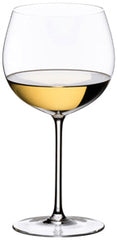
Color

Taste
Serve at:
12 - 14 °C
Longevity:
05 - 10 years
- Start up year: 1879
- Oenologist: Alvaro Pecorari
- Bottles produced: 450.000
- Hectares: 74


| Name | Lis Neris Friuli Isonzo Pinot Grigio Gris 2022 |
|---|---|
| Type | White still |
| Denomination | Friuli Isonzo DOC |
| Vintage | 2022 |
| Size | 0,75 l |
| Alcohol content | 14.0% by volume |
| Grape varieties | 100% Pinot Grigio |
| Country | Italy |
| Region | Friuli-Venezia Giulia |
| Vendor | Lis Neris |
| Story | History and Curiosities Founded in 1879, the Lis Neris winery signs the sublime Pinot Grigio Gris 2022, a pure expression of Friuli Isonzo DOC. Under the guidance of oenologist Alvaro Pecorari, the 25-year-old vineyards thrive in San Lorenzo, on a prized gravelly limestone plateau bordered by the Isonzo river. This unique geographical position ensures a slow and optimal ripening of the grapes, giving the glass aromas and flavours of rare balance. The excellence of this vintage is sealed by prestigious international awards, including 94 points from James Suckling and 93 from Robert Parker. |
| Origin | San Lorenzo (Gorizia), Friuli-Venezia Giulia, Italia |
| Soil composition | Calcareous gravelly plateau |
| Cultivation system | Guyot |
| Plants per hectare | 5200 |
| Yield per hectare | 50 hl/ha |
| Fermentation temperature | 20–22 °C |
| Production technique | Natural fermentation in 500-litre French oak barrels with ageing on fine lees and frequent bâtonnage |
| Wine making | Fermentation takes place naturally in 500-litre French oak barrels at 20–22 °C; ageing on fine lees for 10–11 months with frequent bâtonnage, in the same containers; bottle ageing for 4 months. |
| Aging | Maturation on fine lees for 10–11 months with frequent bâtonnage in the same containers used for fermentation; bottle ageing for 4 months. |
| Allergens | Contains sulphites |