


Le Marchesine
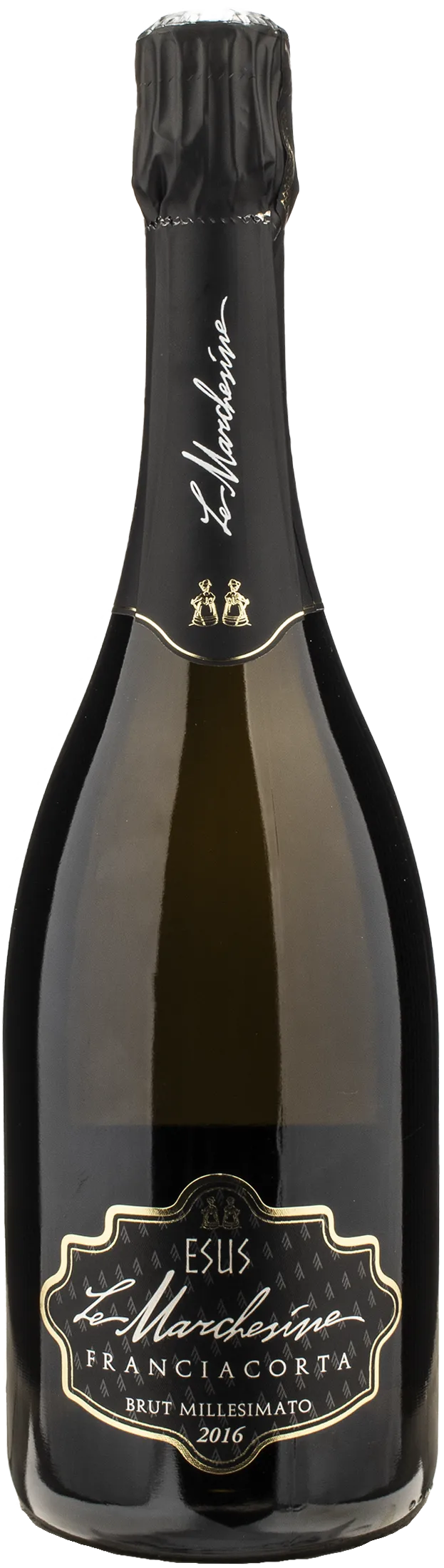
Franciacorta Esus Brut Millesimato 2016
| Denomination | DOCG Franciacorta Millesimato Brut |
|---|---|
| Size | 0,75 l |
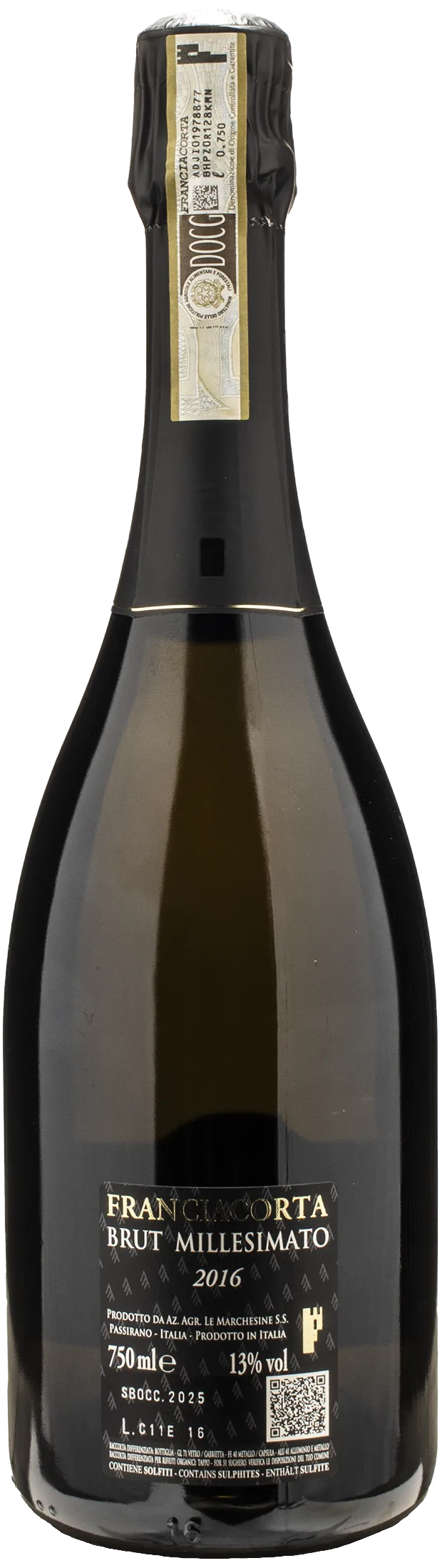
| Alcohol content | 13.0% by volume |
| Area | Lombardy (Italy) |
| Grape varieties | 100% Chardonnay |
| Aging | Minimum 48 months on the lees. |
- Vintage and style: 2016 vintage, Brut Blanc de Blancs sparkling wine with Franciacorta DOCG designation
- Grapes and origin: 100% Chardonnay from Passirano, central Franciacorta area
- Traditional method: Bottle refermentation with a minimum of 48 months ageing on the lees
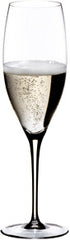
- Sensory profile: Intense golden colour, fine perlage, exotic fruit and toasted notes
- Pairings: Ideal with flavourful risottos, roasted prawns, rabbit porchetta and veal
Description
What kind of wine it is
Franciacorta Brut Esus is an excellent interpretation of the Lombard Metodo Classico. This Blanc de Blancs by Le Marchesine highlights Chardonnay, revealing a deep golden colour and an extremely fine perlage. On the nose, there are hints of exotic fruit, smoky notes, salted caramel and sweet spices. On the palate, the impressive structure is balanced by a vibrant savoury freshness, finishing with refined toasted aromas. It is a wine that elegantly accompanies grilled shellfish, white meats and elaborate risottos.
Where it comes from
This cuvée is produced in Passirano, in the heart of Franciacorta. Here, the Esus project focuses on achieving absolute taste precision to interpret the identity of the region. The vineyards are managed with meticulous agronomic selection and low yields, in order to maximise the concentration of the aromatic profile. Adherence to the strict production standards of Franciacorta ensures a distinctive regional character, offering a sip that is clean, broad and marked by a very long persistence.
How it is produced
The vinification process begins with a gentle pressing of the grapes, from which only the free-run must is extracted. Fermentation takes place in temperature-controlled stainless steel tanks, avoiding malolactic fermentation to preserve the natural acidic freshness. The prise de mousse follows the principles of the Metodo Classico, with a period of at least forty-eight months on the lees. The restrained dosage enhances the wine's dry and vertical profile, enriched on the finish by notes of hazelnut and gianduja chocolate.
History and Curiosities
Born in Passirano in 1993, the Esus Brut Millesimato by Le Marchesine embodies the excellence of Franciacorta, created from carefully selected and hand-picked Chardonnay grapes. This refined Blanc de Blancs is produced using the Traditional Method, gaining structure and elegance thanks to a 48-month maturation on the lees. The 2016 vintage continues a prestigious Lombard tradition, whose superior quality is celebrated by the Tre Bicchieri Gambero Rosso. A true oenological gem, perfect for enhancing the most important occasions.
Tasting notes

Perlage
Perfume

Color
Taste
Serve at:
06 - 08 °C
Longevity:
10 - 15 years
- Start up year: 1985
- Oenologist: Jean Pierre Valade
- Bottles produced: 425.000
- Hectares: 51


| Name | Le Marchesine Franciacorta Esus Brut Millesimato 2016 |
|---|---|
| Type | White brut |
| Denomination | Franciacorta DOCG |
| Vintage | 2016 |
| Size | 0,75 l |
| Alcohol content | 13.0% by volume |
| Grape varieties | 100% Chardonnay |
| Country | Italy |
| Region | Lombardy |
| Vendor | Le Marchesine |
| Story | History and Curiosities Born in Passirano in 1993, the Esus Brut Millesimato by Le Marchesine embodies the excellence of Franciacorta, created from carefully selected and hand-picked Chardonnay grapes. This refined Blanc de Blancs is produced using the Traditional Method, gaining structure and elegance thanks to a 48-month maturation on the lees. The 2016 vintage continues a prestigious Lombard tradition, whose superior quality is celebrated by the Tre Bicchieri Gambero Rosso. A true oenological gem, perfect for enhancing the most important occasions. |
| Origin | Passirano (Franciacorta), Lombardy, Italy |
| Cultivation system | Guyot at 90–100 cm from the ground |
| Plants per hectare | 4000-4500 |
| Yield per hectare | Approximately 100 quintals per hectare |
| Fermentation | Minimum 48 months on the lees |
| Production technique | Traditional method (second fermentation in bottle) |
| Wine making | White vinification in a pneumatic press with gentle pressing of whole grapes, using exclusively the first fraction. After static and physical separation of impurities from the must at low temperatures, selected yeasts are inoculated and fermentation takes place in stainless steel tanks at a controlled temperature. This is followed by racking and lowering the temperature to around 10°C to prevent malolactic fermentation. After the addition of the tirage syrup, bottling, sealing with a crown cap, and ageing on racks for the prise de mousse (second fermentation in the bottle) take place. |
| Aging | Minimum 48 months on the lees. |
| Total acidity | 6.0 gr/L |
| Residual sugar | 5.0 gr/L |
| Dry extract | 18.0 gr/L |
| Allergens | Contains sulphites |