


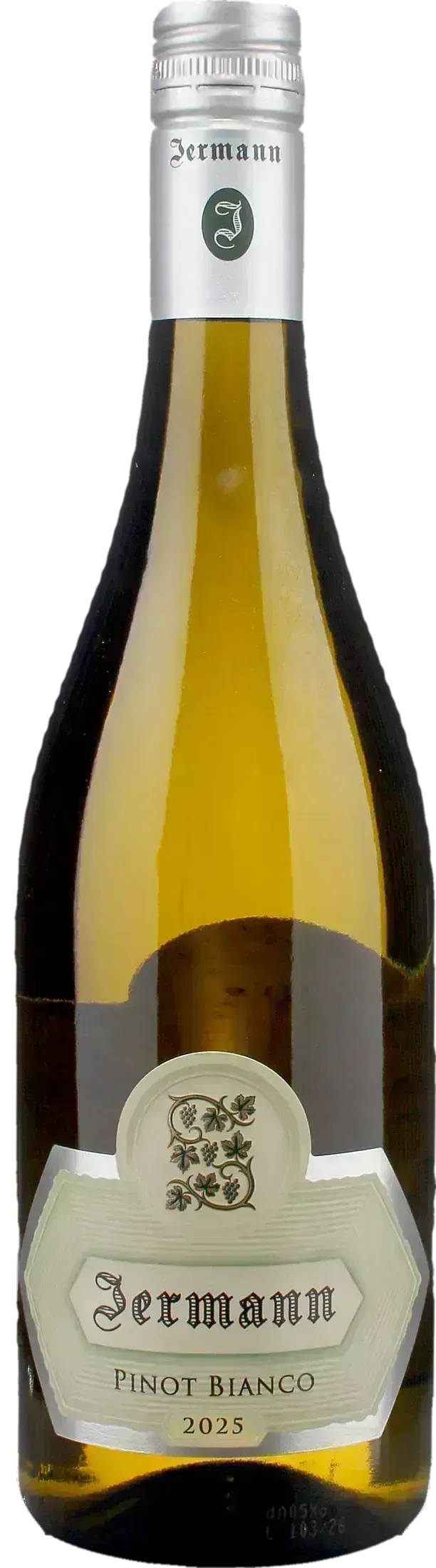
Jermann
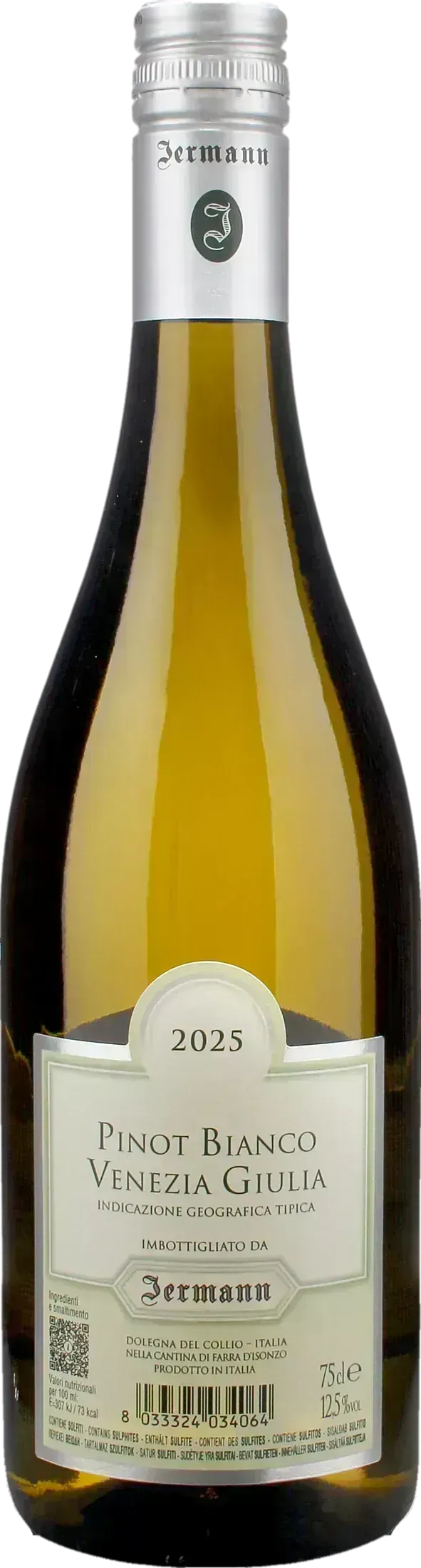
Pinot Bianco 2025
| Denomination | IGT Venezia Giulia |
|---|---|
| Size | 0,75 l |
| Alcohol content | 12.5% by volume |
| Area | Friuli-Venezia Giulia (Italy) |
| Grape varieties | 100% Pinot Bianco |
| Aging | Ageing on the lees in stainless steel tanks for approximately six months, followed by a few months in the bottle. |
| Other years | 2023 , 2024 |
- Type: Still white wine, 100% Pinot Bianco, 12.5% vol, dry
- Aroma and taste: Notes of melon; dry, soft, balanced and persistent palate
- Origin: Farra d’Isonzo (Friuli); ponca soils, marls and Eocene sandstones
- Ageing: White wine vinification; 6 months on the lees in steel, then bottled
- Pairings: Ideal with first courses, fish and cheeses. 90 points from James Suckling
Description
What type of wine it is
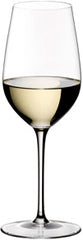
Jermann's Pinot Bianco is a fresh and approachable still white wine, aged in steel. Produced from Pinot Bianco grapes, this wine belongs to the Venezia Giulia denomination. In the glass, it presents a bright golden straw colour and reveals an intense bouquet with clear notes of melon. On the palate, it is dry, soft and balanced, with notable persistence and an acidity that defines a clean and satisfying drink. Its elegance blends harmoniously with the purity of the grape variety, expressing the authenticity of the Friulian territory.
Where it comes from
This Pinot Bianco comes from Farra d’Isonzo, in the Friuli-Venezia Giulia region. The vineyards of the Jermann estate grow on soils composed mainly of marls and sandstones of Eocene origin, known as "ponca", typical of the Collio area. This peculiar rocky substrate deeply shapes the wine's identity, giving it a distinctive elegance. South-west and north-east exposures allow for optimal and gradual ripening of the clusters, balancing the region's climate and defining the structural profile of the grapes.
How it is produced
The production of Jermann Pinot Bianco follows a white wine-making process aimed at preserving the freshness and aromas of the grapes. After the harvest, which takes place in September, the wine undergoes ageing on the lees in stainless steel tanks for about six months, followed by a further period of resting in the bottle. The absence of wood in the vinification process, with the exclusive use of steel, allows the fruity liveliness and gustatory harmony of the wine to be kept intact, ensuring a soft, balanced sip that is faithful to the characteristics of the grape variety.
History and curiosities
Founded back in 1881, the celebrated and historic Jermann winery represents a true pillar of the rich Friulian winemaking tradition. The very first vintage of this wine was born in 1974, marking a historic and invaluable milestone. Under the careful guidance of oenologist Luca Belluzzo, the vines take firm root in the typical Collio ponca, a rare and precious substrate of Eocene marl and sandstone. The undisputed prestige of this centuries-old agricultural heritage is praised by ninety points from James Suckling, a tribute to a company of established excellence.
Tasting notes
Perfume

Color
Taste
Serve at:
10 - 12 °C
Longevity:
05 - 10 years
- Start up year: 1881
- Oenologist: Luca Belluzzo
- Bottles produced: 1.500.000
- Hectares: 180
1930-1940: Angelo Jermann, who is 93 today, not only continues the family's grape-growing tradition but also keeps livestock and transforms Jermann into an all-around, successful farm.
1971-1973: Silvio Jermann, son to Angelo and Bruna and an enology graduate of both Conegliano and San Michele, revolutionizes the Jermann winery after a research sabbatical overseas, creating Vintage Tunina.
1975: Official release of Vintage Tunina, which fast achieves cult status and effectively launches Jermann's new course.
07/07/2007: Silvio inaugurates a second Jermann winery: Ruttars. Read more


| Name | Jermann Pinot Bianco 2025 |
|---|---|
| Type | White still |
| Denomination | Venezia Giulia IGT |
| Vintage | 2025 |
| Size | 0,75 l |
| Alcohol content | 12.5% by volume |
| Grape varieties | 100% Pinot Bianco |
| Country | Italy |
| Region | Friuli-Venezia Giulia |
| Vendor | Jermann |
| Story | History and curiosities Founded back in 1881, the celebrated and historic Jermann winery represents a true pillar of the rich Friulian winemaking tradition. The very first vintage of this wine was born in 1974, marking a historic and invaluable milestone. Under the careful guidance of oenologist Luca Belluzzo, the vines take firm root in the typical Collio ponca, a rare and precious substrate of Eocene marl and sandstone. The undisputed prestige of this centuries-old agricultural heritage is praised by ninety points from James Suckling, a tribute to a company of established excellence. |
| Origin | Farra d'Isonzo (GO), Friuli-Venezia Giulia, Italy |
| Soil composition | Predominant marls and sandstones belonging to the Eocene flysch formation, which give rise to a rocky substrate that, through transformation, forms the 'ponca' characteristic of the Collio area. |
| Cultivation system | Stelvin screw cap (Pechiney) |
| Harvest | September |
| Production technique | White vinification; ageing on the lees in stainless steel tanks (approximately six months) and for a few months in the bottle. |
| Wine making | White vinification of Pinot Blanc grapes; ageing on the lees in stainless steel tanks (approximately six months) and several months in the bottle. |
| Aging | Ageing on the lees in stainless steel tanks for approximately six months, followed by a few months in the bottle. |
| Total acidity | 5.4 gr/L |
| Allergens | Contains sulphites |