


Jacques Rousseaux
Champagne Grand Cru Extra Brut Tradition
| Denomination | AOC Champagne Grand Cru Blanc de Noir Extra Brut |
|---|---|
| Size | 0,75 l |
| Alcohol content | 12.5% by volume |
| Area | Champagne region (France) |
| Grape varieties | 100% Pinot Nero |
- Grand Cru Origin: Pure Pinot Noir from Verzenay, Champagne AOC Blanc de Noirs designation
- Extra Brut Style: dry and crisp dosage, 12.5% vol, 0.75 L bottle format
- Traditional method: second fermentation in the bottle and ageing on the lees for greater creaminess
- Aromas and taste: notes of flowers, fruit, citrus and pastry, with a persistent mineral finish
- Historic winery: independent winegrower since 1776, organic and sustainable practices


Description
What kind of wine it is
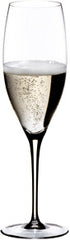
This Blanc de Noirs is a structured wine crafted by Jacques Rousseaux. In the glass, the Grand Cru Champagne displays a bright straw yellow colour, enhanced by golden reflections and a fine, persistent perlage. On the nose, it reveals a fragrant aromatic profile, with floral and fruity notes blending with hints of citrus peel and pastry nuances. The palate offers a fresh and creamy attack, enveloping the mouth with a defined structure, finishing with a mineral note that immediately invites a second sip.
Where it comes from
The grapes are sourced from the village of Verzenay, in the heart of Champagne. The estate belongs to a family of independent winegrowers whose historical roots date back to 1776. The vineyards, cultivated exclusively with Pinot Noir, benefit from highly suitable soils and are managed using a biological and sustainable approach. The classification reflects the origin from parcels of the highest quality, ensuring a clear identity and an unbreakable bond with the land of origin.
How it is produced
Production strictly follows the Traditional Method, which involves secondary fermentation in the bottle for the prise de mousse. Ageing on the lees gives the wine its typical creaminess and enriches the aromatic bouquet. The choice of Extra Brut dosage keeps the palate dry and linear, enhancing the mineral tension of the soil. Thanks to this meticulous technique, the wine boasts excellent ageing potential, evolving elegantly for several years in the cellar for those who wish to refine it further.
History and Curiosities
Founded in 1776 in Verzenay, the Jacques Rousseaux house has passed down an invaluable artisanal heritage through generations. This extraordinary Champagne Grand Cru is made from Pinot Noir grapes grown using a strict organic and sustainable approach. The authenticity of this independent winemaker is expressed in an elegant Blanc de Noirs with an Extra Brut dosage. The art of the traditional method enhances the pure essence of the terroir, offering a creamy and mineral sip that celebrates the family's profound historical legacy.
Tasting notes

Perlage
Perfume

Color
Taste
Serve at:
06 - 08 °C
Longevity:
05 - 10 years
In Champagne the numerous vine growers cultivated their vines throughout the year and sold their harvest to the trade houses. Paul Rousseaux, born in 1884, followed a project shared with numerous other vine growers: produce his own champagne and market it himself (in 1999 we tasted the contents of one of these bottles, the wine was still fresh, with the color of old gold).
Paul had two children, Pierre and Michel. Pierre married Charlotte Degouy and they continued to cultivate the vineyards and to make their champagne, despite the conflicts that devastated Europe and our region during this period. They had four children: Jacques, Anne-Marie, Luc and Dominique. And today... Jacques, the eldest son, continues to cultivate the vineyards of the family, who trust in him. With his wife, Bernadette, they have developed their market during 30 years. Since January 2001 Céline and Eric, two of their three children, welcome you at the house of Jacques Rousseaux at Verzenay. Read more


| Name | Jacques Rousseaux Champagne Grand Cru Extra Brut Tradition |
|---|---|
| Type | White green classic method sparkling wine extra brut |
| Denomination | Champagne AOC |
| Size | 0,75 l |
| Alcohol content | 12.5% by volume |
| Grape varieties | 100% Pinot Nero |
| Country | France |
| Region | Champagne region |
| Vendor | Jacques Rousseaux |
| Story | History and Curiosities Founded in 1776 in Verzenay, the Jacques Rousseaux house has passed down an invaluable artisanal heritage through generations. This extraordinary Champagne Grand Cru is made from Pinot Noir grapes grown using a strict organic and sustainable approach. The authenticity of this independent winemaker is expressed in an elegant Blanc de Noirs with an Extra Brut dosage. The art of the traditional method enhances the pure essence of the terroir, offering a creamy and mineral sip that celebrates the family's profound historical legacy. |
| Origin | Verzenay (France) |
| Production technique | Classic method (traditional bottle fermentation) |
| Wine making | Traditional method (traditional bottle fermentation) |
| Allergens | Contains sulphites |