


Isole e Olena
Chardonnay 2024
| Denomination | IGT Toscana |
|---|---|
| Size | 0,75 l |
| Alcohol content | 14.0% by volume |
| Area | Tuscany (Italy) |
| Grape varieties | 100% Chardonnay |
| Aging | Fermented and matured in small oak barrels (new wood limited to 25–30%), with long maturation and prolonged contact on the fine lees. |
- Vintage and origin: Toscana IGT 2024, 100% Chardonnay, Isole e Olena, 14.5% vol
- Aroma: spicy and toasted notes, apricot, citrus fruits, broom, incense, almond
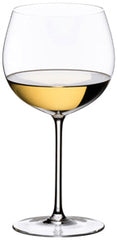
- Appearance and taste: bright straw-yellow colour, creamy palate, persistent mineral finish
- Aged in oak: small barrels, 25–30% new wood, long ageing on fine lees
- Pairings: 94/100 James Suckling, ideal with seafood dishes, poultry and spicy foods


Description
What kind of wine it is
The Chardonnay from Isole e Olena is a structured white wine with Indicazione Geografica Tipica status that fully expresses the potential of the grape variety in Tuscany. The bouquet offers clear notes of citrus and ripe apricot, intertwined with hints of broom, incense and toasted almond, enriched by fermentation in oak barrels. On the palate, it reveals a full and creamy texture, balanced by a fresh mineral vein and lively acidity. The sip proceeds harmoniously towards a long and clean finish, combining significant volume with pronounced continuity of flavour.
Where it comes from
This white wine originates in Tuscany from a viticultural project started in 1987, based on grafting French clones onto local white grape varieties. The vineyards are situated at an altitude of 350-400 metres, a condition that ensures the Chardonnay achieves ideal ripeness and marked freshness. Isole e Olena maintains low yields to maximise the quality of the grapes and aromatic concentration. This agricultural approach gives rise to a wine with remarkable ageing potential, capable of faithfully and precisely expressing the character of its native land.
How it is produced
The Chardonnay grapes ferment in small oak barrels, with a measured use of new wood to respect the integrity of the fruit. The long maturation continues in contact with the fine lees, a technique that enhances aromatic complexity and gives the wine its typical creamy consistency. The result is a white wine with a bright straw-yellow colour, able to combine great volume with a distinct mineral tension. Thanks to its solid flavour structure, it is excellent paired with seafood dishes, spicy foods, white meats and richly flavoured first courses such as cavatelli with mussels and saffron.
History and Curiosities
The Chardonnay Toscana IGT from Isole e Olena was born from a visionary experiment carried out in 1987 by the oenologist Paolo De Marchi. By grafting selected French clones onto local white varieties, the estate combines ancient tradition with the most modern winemaking techniques. Founded in 1956 and renowned for Cepparello, the company pursues low production yields to consolidate artisanal excellence of iconic prestige. This outstanding white offers complex nuances and excellent ageing potential, highlighted by the prestigious 94/100 awarded by James Suckling to the 2024 vintage.
Tasting notes

Perfume

Color

Taste
Serve at:
12 - 14 °C
Longevity:
05 - 10 years
- Start up year: 1956
- Oenologist: Paolo De Marchi
- Bottles produced: 220.000
- Hectares: 56
The wines have Cepparello at their head, a barrique-aged Sangiovese classified as an IGT - because at the time of its creation in the 1980s a wine comprising 100% Sangiovese could not legally be labelled as Chianti. There is a Chianti Classico and a Vin Santo, as well as some excellent wines from the Collezione de Marchi label, including a Syrah called Eremo, a Cabernet Sauvignon and a Chardonnay. Read more


| Name | Isole e Olena Chardonnay 2024 |
|---|---|
| Type | White still |
| Denomination | Toscana IGT |
| Vintage | 2024 |
| Size | 0,75 l |
| Alcohol content | 14.0% by volume |
| Grape varieties | 100% Chardonnay |
| Country | Italy |
| Region | Tuscany |
| Vendor | Isole e Olena |
| Story | History and Curiosities The Chardonnay Toscana IGT from Isole e Olena was born from a visionary experiment carried out in 1987 by the oenologist Paolo De Marchi. By grafting selected French clones onto local white varieties, the estate combines ancient tradition with the most modern winemaking techniques. Founded in 1956 and renowned for Cepparello, the company pursues low production yields to consolidate artisanal excellence of iconic prestige. This outstanding white offers complex nuances and excellent ageing potential, highlighted by the prestigious 94/100 awarded by James Suckling to the 2024 vintage. |
| Origin | Tuscany |
| Production technique | Fermented in small oak barrels and matured in oak with prolonged contact on the fine lees |
| Wine making | Fermented in small oak barrels with limited use of new wood (25–30%); matured in oak with prolonged contact on the fine lees. |
| Aging | Fermented and matured in small oak barrels (new wood limited to 25–30%), with long maturation and prolonged contact on the fine lees. |
| Allergens | Contains sulphites |