


Haderburg
Salurn Pfatten Pinot Grigio 2024
| Denomination | DOC Alto Adige Pinot Grigio |
|---|---|
| Size | 0,75 l |
| Alcohol content | 12.5% by volume |
| Area | Trentino Alto Adige (Italy) |
| Grape varieties | 100% Pinot Grigio |
| Aging | Aged on its own lees for 6 months. |
- Identity: Still organic Pinot Grigio from Alto Adige DOC, vintage 2024, 0.75 l bottle
- Aromas: hints of pear and quince, hawthorn, jasmine, with notes of vanilla and coconut
- Vinification: fermented in steel and barrique, matured for 6 months on the lees
- Vineyard: 41-year-old vines in Salorno, trained in double pergola on sandy-loam soil
- Pairings: perfect with fish, shellfish, mushroom risottos, white meats and as an aperitif


Description
What kind of wine it is
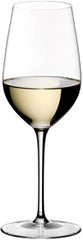
Haderburg Salurn Pfatten Pinot Grigio is an organic white wine that faithfully embodies the character of Alto Adige. Visually, it displays a bright straw yellow colour with greenish highlights, while on the nose it offers a broad aromatic profile. Fruity notes of pear and quince emerge, blending with floral hints of hawthorn and jasmine, complemented by nuances of vanilla and coconut. On the palate, the sip is delicate and persistent, supported by a fresh acidity and impeccable balance. A subtle spicy touch, the result of time spent in wood, adds further depth to this Pinot Grigio, creating a complex and satisfying tasting experience.
Where it comes from
The grapes come from the Pfatten vineyard in Salorno, an area historically suited to the cultivation of this variety, locally also known as Ruländer. The old vines, over forty years old, are grown using the double pergola system on a loamy-sandy soil, deep and well-drained. This particular terroir is essential for ensuring the wine’s remarkable aromatic clarity and great finesse. The strict organic management practised by Haderburg enhances the fruit’s gustatory tension, delivering a pure profile supported by a solid and captivating structure.
How it is produced
Harvesting begins in the first days of September. Vinification involves fermentation split between stainless steel tanks and new and first-passage barrels, a technical solution that allows the purity of the fruit to be balanced with a measured contribution of spice. The wine then matures on its lees for six months, gaining complexity and persistence without sacrificing its natural acidic tension. At the table, it is the ideal companion for refined fish dishes, shellfish and seafood. Thanks to its elegance, it also pairs perfectly with mushroom risottos and white meats, while also proving to be an excellent aperitif.
History and Curiosities
The Salurn Pfatten originates from the vineyard of the same name in Salorno, from old vines cultivated using the double pergola method on fertile sandy-loam soil. The grapes for this excellent organic Pinot Grigio are harvested at the beginning of September and fermented in both steel and barrique. The subsequent six-month ageing on the lees imparts an elegant persistence to this prestigious Alto Adige DOC label. Historically also known as Ruländer, the wine offers a fresh, delicate and authentic sip, a perfect expression of the meticulous white winemaking by Haderburg.
Tasting notes
Perfume
Color
Taste
Serve at:
08 - 10 °C
Longevity:
03 - 05 years
- Start up year: 1976
- Bottles produced: 100.000
- Hectares: 12
In the mid-1970s, we made the daring transformation from being a fruit-growing farm concerned only with the production and sale of grapes and apples to a winery which processes its own grapes. Since that turning point, our enthusiasm for good wines and champagnes has set the tone for the work in the vineyards and in the wine cellar. Read more


| Name | Haderburg Salurn Pfatten Pinot Grigio 2024 |
|---|---|
| Type | White organic still |
| Denomination | Alto Adige DOC |
| Vintage | 2024 |
| Size | 0,75 l |
| Alcohol content | 12.5% by volume |
| Grape varieties | 100% Pinot Grigio |
| Country | Italy |
| Region | Trentino Alto Adige |
| Vendor | Haderburg |
| Story | History and Curiosities The Salurn Pfatten originates from the vineyard of the same name in Salorno, from old vines cultivated using the double pergola method on fertile sandy-loam soil. The grapes for this excellent organic Pinot Grigio are harvested at the beginning of September and fermented in both steel and barrique. The subsequent six-month ageing on the lees imparts an elegant persistence to this prestigious Alto Adige DOC label. Historically also known as Ruländer, the wine offers a fresh, delicate and authentic sip, a perfect expression of the meticulous white winemaking by Haderburg. |
| Origin | Vineyard Pfatten in the municipality of Salorno (BZ) |
| Soil composition | Sandy loam, deep, fertile, fresh and well-drained. |
| Cultivation system | Double pergola |
| Yield per hectare | 50 hl/hectare |
| Harvest | Early September |
| Production technique | Classic white vinification with alcoholic fermentation in steel and barriques (new and first use) and resting on its lees |
| Wine making | Classic white vinification with alcoholic fermentation for two-thirds in stainless steel containers and one-third in new and first-passage barriques, with ageing on its own lees for 6 months. |
| Aging | Aged on its own lees for 6 months. |
| Total acidity | 5.2 gr/L |
| Residual sugar | 0.9 gr/L |
| Allergens | Contains sulphites |