


Domaine Gruss & Fils
Cremant d'Alsace Extra Brut
| Denomination | AOC Cremant d'Alsace |
|---|---|
| Size | 0,75 l |
| Alcohol content | 12.5% by volume |
| Area | Alsace (France) |
| Grape varieties | 20% Riesling, Auxerrois, Pinot Bianco |
- Extra Brut Style: Classic Method sparkling wine, dry and linear, 12.5% vol
- Grape blend: 80% Pinot Blanc and Auxerrois, 20% Riesling; balance between roundness and liveliness
- Mineral aromas: chalk, graphite, flint; notes of mint, thyme and bread crust
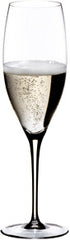
- Fine perlage: abundant and persistent bubbles; full-bodied with a clean finish
- Serving and pairings: 6-8°C; ideal as an aperitif with starters and fried fish


Description
What kind of wine is it
Gruss Cremant d’Alsace Extra Brut from Domaine Gruss is a sparkling wine with a direct and linear character, crafted using the Traditional Method. The blend combines Pinot Blanc, Auxerrois and Riesling for a dry and vibrant sip. In the glass, it displays a fine and persistent perlage that introduces a distinctly mineral bouquet, marked by notes of chalk, flint and refreshing mint. With aeration, pleasant hints of bread crust emerge, making it ideal to accompany crispy fried fish.
Where does it come from
This sparkling wine is produced in Eguisheim, in the heart of Crémant d’Alsace, where Domaine Gruss manages the vineyards with full respect for the local ecosystem. The agricultural approach is based on organic farming, excluding the use of herbicides in favour of compost and grassing between the rows. Yields are kept low through rigorous selection, aimed at enhancing a renowned terroir. This meticulous care of the vines results in a clear gustatory tension, giving the sip a pronounced fresh and mineral character.
How is it produced
Production begins with manual harvesting, followed by vinification that involves the use of old barrels for ageing the base wines. The secondary fermentation in bottle takes place according to the Traditional Method, ensuring overall elegance and longevity. The low dosage defines a strict Extra Brut style, capable of preserving the wine’s absolute liveliness. In the glass, it appears a bright straw yellow, enhanced by elegant greenish highlights.
History and Curiosities
Domaine Gruss & Fils boasts a family heritage that has been cultivating vines in Eguisheim since 1600, producing a distinguished Crémant d’Alsace AOC. This elegant traditional method sparkling wine is made from organically grown vines, with full respect for the environment and without the use of herbicides. The grapes, strictly hand-picked, are aged in old oak barrels to ensure a pure expression of the Alsatian terroir. Thanks to the Extra Brut style and very low dosage, it offers a dry and vibrant sip that honours centuries of genuine winemaking passion.
Tasting notes
Perlage
Perfume
Color
Taste
Serve at:
06 - 08 °C
Longevity:
05 - 10 years
- Start up year: 1600
All the vineyards are organically cultivated. The company avoids using weedkillers and employs home-grown compost for fertiliser and grassing in alternating rows. The vineyards have a yield that varies from a minimum of 25 quintals per hectare, for the Grains Nobles selections, to 80 quintals for the grapes destined for sparkling wines. Harvesting is still done strictly by hand. For the rest, only 'common sense': traditional vinification in old oak barrels that were bought by great-grandfather Joseph. There are no hidden secrets for a production that reflects the terroir and grape varieties of Alsace, the result of an interpretation that is attentive to the terroir and faithful to tradition. Read more



| Name | Gruss Cremant d'Alsace Extra Brut |
|---|---|
| Type | White classic method sparkling wine extra brut |
| Denomination | Alsace AOC |
| Size | 0,75 l |
| Alcohol content | 12.5% by volume |
| Grape varieties | 20% Riesling, Auxerrois, Pinot Bianco |
| Country | France |
| Region | Alsace |
| Vendor | Domaine Gruss & Fils |
| Story | History and Curiosities Domaine Gruss & Fils boasts a family heritage that has been cultivating vines in Eguisheim since 1600, producing a distinguished Crémant d’Alsace AOC. This elegant traditional method sparkling wine is made from organically grown vines, with full respect for the environment and without the use of herbicides. The grapes, strictly hand-picked, are aged in old oak barrels to ensure a pure expression of the Alsatian terroir. Thanks to the Extra Brut style and very low dosage, it offers a dry and vibrant sip that honours centuries of genuine winemaking passion. |
| Origin | Eguisheim, Alsace, France |
| Production technique | Classic method (traditional) |
| Wine making | Traditional method; hand-picked grapes; traditional vinification in old oak barrels. |
| Allergens | Contains sulphites |