


Giacomo Borgogno e Figli
Langhe Bartome 2024
| Denomination | DOC Langhe Nebbiolo |
|---|---|
| Size | 0,75 l |
| Alcohol content | 14.0% by volume |
| Area | Piedmont (Italy) |
| Grape varieties | 100% Nebbiolo |
| Aging | Aged for 1 year in large Slavonian oak barrels. |
- Wine: Still organic red Langhe DOC, 14% vol, 75 cl
- Grapes: 100% Nebbiolo from the historic Bartolomeo plot, Piedmont (Barolo)
- Vinification: Spontaneous fermentation in concrete for 15 days at 22–28 °C
- Aromas and colour: Notes of violet and wild strawberry; ruby red with violet highlights
- Taste and pairings: Harmonious profile, vibrant tannins; suitable for braised meats and cheeses


Description
What kind of wine it is
Bartomè Langhe Nebbiolo by Borgogno is a still organic red wine with Denomination of Controlled Origin that purely expresses the characteristics of the grape variety. This label, produced in the Langhe area with fermentation in cement and ageing in oak barrels, presents a ruby red colour with violet reflections that tend towards garnet as it evolves. On the nose, it offers a persistent bouquet, with elegant floral notes of violet and hints of fresh red fruit, among which wild strawberry stands out. On the palate, it reveals a harmonious and structured body, supported by a vibrant and elegant tannin that leads to a long and persistent finish.
Where it comes from
This wine is born in the heart of Piedmont, in the Barolo area, and pays homage to the historic Bartolomeo parcel. In this specific territory, the Nebbiolo grape was already being cultivated and vinified even before the name Barolo became established. The vines grow at about 350 metres above sea level, with a south-east exposure and a cool microclimate that favours a taut and agile sip. The soils, composed of calcareous marl rich in sand, provide aromatic finesse and a well-defined tannic texture. The pedoclimatic environment enhances the authentic identity of Borgogno, a historic Piedmontese estate founded in 1761.
How it is produced
Production involves a manual and selective harvest between the end of September and the beginning of October. The Nebbiolo grapes undergo a spontaneous fermentation activated by indigenous yeasts; the process takes place with whole berries in cement vats for about fifteen days at controlled temperatures. Subsequently, the wine undergoes one year of ageing in large Slavonian oak barrels. This stage in barrels is fundamental to stabilise the structure and preserve the integrity of the varietal profile before release.
History and Curiosities
Produced by the oldest winery in the Langhe, founded in 1761 by Giacomo Borgogno e Figli, this wine pays tribute to the historic Bartolomeo plot. Here, even a hundred years before the birth of Barolo, the grapes were vinified in purity.
Tasting notes

Perfume

Color

Taste
Serve at:
14 -16 °C
Longevity:
10 - 15 years
Decanting time:
1 hour
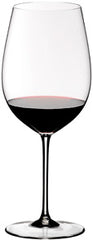
- Start up year: 1761
- Oenologist: Simone Borsari
- Bottles produced: 250.000
- Hectares: 40
The winery has some interesting records: in 1861, Barolo Borgogno sealed the pact for the birth of Italian unity, and in 1908, it was served to the Tsar of all Russia during a visit to Racconigi.
The turning point came in 1920, when Cesare Borgogno began exporting abroad. However his greatest insight came when he decided to "forget" half of the production of Barolo Riserva in order to sell it 20 years later, realising the great versatility and power of Nebbiolo.
Borgogno is synonymous with slowness: the winery chooses to take its time understanding things and doing them correctly. The vineyards are cared for and attended to with only organic products.
This has resulted in the winery to gain their first Biological harvest.
The decision to plant forest on eight of their 39 hectars is to protect the biodiversity of the Langa fauna from being decimated by the cultivation of vineyards.
Borgogno has a sense of history, tradition, and roots that blend with the innovation of the changing times. Read more


| Name | Giacomo Borgogno Langhe Bartome 2024 |
|---|---|
| Type | Red organic still |
| Denomination | Langhe DOC |
| Vintage | 2024 |
| Size | 0,75 l |
| Alcohol content | 14.0% by volume |
| Grape varieties | 100% Nebbiolo |
| Country | Italy |
| Region | Piedmont |
| Vendor | Giacomo Borgogno e Figli |
| Story | History and Curiosities Produced by the oldest winery in the Langhe, founded in 1761 by Giacomo Borgogno e Figli, this wine pays tribute to the historic Bartolomeo plot. Here, even a hundred years before the birth of Barolo, the grapes were vinified in purity. |
| Origin | Barolo, Cuneo, Piedmont, Italy |
| Climate | Cool |
| Soil composition | Calcareous marls rich in sand |
| Cultivation system | Guyot |
| Plants per hectare | 4000 |
| Harvest | End of September, early October |
| Fermentation temperature | 22–28 °C |
| Fermentation | Approximately 15 days |
| Production technique | Spontaneous whole-berry fermentation without stalks in concrete tanks; ageing for 1 year in large Slavonian oak barrels |
| Wine making | Manual harvest; spontaneous fermentation with whole berries without stems in cement tanks for about 15 days at 22–28 °C; aged for 1 year in large Slavonian oak barrels. |
| Aging | Aged for 1 year in large Slavonian oak barrels. |
| Allergens | Contains sulphites |