


Franck Pascal
Champagne Quinte Essence Extra Brut 2010
| Denomination | AOC Champagne Extra Brut |
|---|---|
| Size | 0,75 l |
| Alcohol content | 12.0% by volume |
| Area | Champagne region (France) |
| Grape varieties | 65% Pinot Nero, 22% Pinot Meunier, 13% Chardonnay |
| Aging | Maturation on fine lees for 48 months; prolonged ageing on slats (about 48 months) |
- Stile Extra Brut 2010: 0.75 l, 12% vol, dosage 0.1 g/l, traditional method
- Biodynamic agriculture: biodynamic practices to enhance the clay-limestone soil
- Natural vinification: spontaneous and malolactic fermentation with indigenous yeasts
- Ageing on the lees: 48 months, silky perlage and taut palate with a persistent finish
- Aromas and pairings: chalky minerality, notes of fruit and brioche; ideal with sushi and shellfish


Description
What kind of wine is it
Produced by Franck Pascal, Champagne Quinte Essence is an Extra Brut with a gastronomic profile, a pure expression of its terroir. Crafted using the Traditional Method, it is born from a harmonious blend of Pinot Noir, Pinot Meunier and Chardonnay. On the nose, it reveals a distinct chalky minerality, enriched by notes of white fruits, peach and brioche. The palate is taut, enlivened by a vivid freshness and a silky mousse. The sip unfolds with hints of melon and mango, finishing with a persistent and elegant finish, ideal for accompanying shellfish, sushi and cheeses.
Where does it come from
It originates in Baslieux-sous-Châtillon, in a highly renowned area of the Champagne region. The land defines the wine’s aromatic clarity thanks to the unique clay-limestone composition of the soil. The adoption of strict organic and biodynamic practices respects the ecosystem, enhancing the original fragrance of the fruit. The chalky imprint translates into a vertical structure and well-defined aromas, which impeccably support the dry style. The meticulous care of the vineyards enhances the identity of the place, giving this characterful sparkling wine a profound sense of place.
How is it produced
Production follows the principles of the Traditional Method, prioritising full respect for the raw material. Spontaneous fermentations, both alcoholic and malolactic, occur exclusively thanks to the action of indigenous yeasts. After the prise de mousse, the wine matures for a full forty-eight months on the lees. This slow ageing imparts great aromatic complexity, while maintaining the tension of the palate. The Extra Brut dosage ensures a dry and clean drink, able to harmonise the fresh fruity nuances with a fine and persistent effervescence.
History and Curiosities
The Quinte Essence 2010 by Franck Pascal is the true expression of the clay-limestone terroir of Baslieux-sous-Châtillon. The result of rigorous biodynamic agriculture and spontaneous fermentations, this vintage enhances the original purity of the grapes. The patient ageing of 48 months on the lees imparts extraordinary complexity, enriched by silky bubbles and a vibrant freshness. Awarded 95 points by James Suckling, this elegant Extra Brut offers a rewarding gastronomic experience, ideal for accompanying an entire meal.
Awards
-
2010
 95
95/100
James Suckling is an influential American wine critic and journalist who worked at Wine Spectator for 30 years. He left the magazine in 2010 to start his own website and guidebook (JamesSuckling.com). He specialises in Italian and Bordeaux wines.
Tasting notes

Perlage
Perfume
Color
Taste
Serve at:
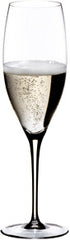
06 - 08 °C
Longevity:
15 - 25 years
- Hectares: 4
All cultivated biodynamically, 'strictly following the rhythms of the moon, the energy, the naturalness of the vineyard, the heart of the vigneron and the passion of my wife Isabelle and myself'. Read more


| Name | Franck Pascal Champagne Quinte Essence Extra Brut 2010 |
|---|---|
| Type | White biodynamic classic method sparkling wine extra brut |
| Denomination | Champagne AOC |
| Vintage | 2010 |
| Size | 0,75 l |
| Alcohol content | 12.0% by volume |
| Grape varieties | 65% Pinot Nero, 22% Pinot Meunier, 13% Chardonnay |
| Country | France |
| Region | Champagne region |
| Vendor | Franck Pascal |
| Story | History and Curiosities The Quinte Essence 2010 by Franck Pascal is the true expression of the clay-limestone terroir of Baslieux-sous-Châtillon. The result of rigorous biodynamic agriculture and spontaneous fermentations, this vintage enhances the original purity of the grapes. The patient ageing of 48 months on the lees imparts extraordinary complexity, enriched by silky bubbles and a vibrant freshness. Awarded 95 points by James Suckling, this elegant Extra Brut offers a rewarding gastronomic experience, ideal for accompanying an entire meal. |
| Origin | Baslieux-sous-Châtillon, Champagne, France |
| Soil composition | Clay-limestone soil |
| Production technique | Traditional method with spontaneous fermentation (alcoholic and malolactic) with indigenous yeasts |
| Wine making | Classic method with spontaneous fermentation (alcoholic and malolactic) using indigenous yeasts; natural vinification in steel tanks; long maturation on the lees (about 48 months) and prolonged ageing on the racks. |
| Aging | Maturation on fine lees for 48 months; prolonged ageing on slats (about 48 months) |
| Residual sugar | 0.1 gr/L |
| Allergens | Contains sulphites |