


Fontanafredda
Roero Arneis Pradalupo 2025
| Denomination | DOCG Roero Arneis |
|---|---|
| Size | 0,75 l |
| Alcohol content | 13.0% by volume |
| Area | Piedmont (Italy) |
| Grape varieties | 100% Arneis |
| Aging | Ageing only in steel: 4–5 months in stainless steel tanks on the fine lees, at a low temperature, with cold stabilisation before bottling. |
- Name and variety: Dry white wine from Roero made from 100% Arneis grapes
- Aromatic characteristics: Aromas of hawthorn, elderberry, peach and mineral accents
- Flavour profile: Fresh, velvety and savoury; persistent finish of almond and hazelnut
- Vinification technique: 24-hour cold maceration and 4–5 months ageing in steel
- Serving suggestions: Vegan, 13.5% vol; serve at 10–12°C with aperitifs, fish and salads


Description
What type of wine it is
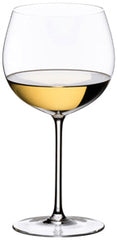
Pradalupo Roero Arneis by Fontanafredda is a Piedmontese white wine with a Controlled and Guaranteed Designation of Origin (DOCG), featuring a fresh and elegant profile, produced with Arneis grapes and suitable for a vegan diet. In the glass, it appears straw yellow with greenish highlights, revealing a bouquet of hawthorn, peach and mineral hints. Fermented and aged in steel, it expresses a medium and velvety body on the palate, supported by refreshing acidity. The tasting concludes with a persistent finish with slight hints of almond.
Where it comes from
This wine is born in Piedmont, in the heart of Roero, from selected vineyards located in the municipalities of Monteu Roero, Vezza d’Alba and Montà d’Alba. The vines grow at an altitude of between 200 and 330 metres, benefiting from a south-easterly exposure and a relatively cool climate. These conditions favour regular ripening. The terrain is distinguished by sandy soils of ancient marine origin, rich in yellow calcareous marls and sandstone. This geological composition gives the wine a fluid style, imparting a marked mineral component that balances the softness of the sip with a lively sapidity.
How it is produced
The manual harvest takes place in September, followed by rapid delivery to the cellar. A portion of the bunches undergoes cold pre-fermentative maceration for twenty-four hours, while the remaining part is gently pressed to extract only the free-run must. Fermentation takes place in temperature-controlled steel tanks. Subsequently, the different batches are combined to create a harmonious blend, kept at low temperatures to prevent the start of malolactic fermentation. The journey concludes with ageing in steel on the fine lees for approximately four or five months, ensuring the preservation of aromatic freshness before final stabilisation.
History and trivia
Pradalupo enhances Fontanafredda’s prestigious ‘The Stripes’ range, with a label that pays tribute to the village’s historic architecture and celebrates its founding in 1858. The famous estate skilfully combines tradition and modernity in the management of its hundred hectares of vines. The grapes are harvested by hand in small 20 kg crates. This is followed by meticulous vinification in stainless steel in separate batches and blending at low temperatures, essential steps to preserve the intense aromatic freshness typical of Roero Arneis DOCG.
Tasting notes
Perfume

Color
Taste
Serve at:
10 - 12 °C
Longevity:
03 - 05 years
- Start up year: 1878
- Oenologist: Giorgio Lavagna
- Bottles produced: 7.000.000
- Hectares: 120
Like all beautiful things, Fontanafredda originates from a love story between the first King of Italy, Vittorio Emanuele II, and Rosa Vercellana.
Producers of Barolo and sumptuous wines of the Langhe, it was the scene of many firsts: they were the first Barolo to go overseas, the first to produce the first Classic Method in 1959, which was to be the forerunner of Alta Langa.
The founding principle of the winery is the concept of community.
Since 2018, Fontanafredda has been cultivating 120 organically certified hectares that are the setting for Italy's first Storytelling Village ('Villaggio Narrante'), which is still home to 12 families of workers who make the village an authentic village, alive and productive.
Fontanafredda is also hospitality, a meeting place where everyone is welcome thanks to its 4-star hospitality.
Today, the company preserves intact the testimonies of its noble past - the hunting lodge, the village, the extensive cellars, the vineyards - but continues to renew itself and experiment, perfecting what nature and history have handed down. For this reason, in the Langhe, where vines and wine bind generations to each other and shape the landscape, Fontanafredda is an essential reference point. The expression of a wine culture that comes from the earth, from the vineyard, and is refined through the work and creativity of people.
In 2021, the Alta Langa DOCG Contessa Rosa Rosé 2014 was named 'Best Sparkling Wine in the World' according to Tastingbook 2021.
In 2022 the BAROLO SERRALUNGA 2018 entered the TOP100 of WINE SPECTATOR in 78th place. Read more


| Name | Fontanafredda Roero Arneis Pradalupo 2025 |
|---|---|
| Type | White green still |
| Denomination | Roero DOCG |
| Vintage | 2025 |
| Size | 0,75 l |
| Alcohol content | 13.0% by volume |
| Grape varieties | 100% Arneis |
| Country | Italy |
| Region | Piedmont |
| Vendor | Fontanafredda |
| Story | History and trivia Pradalupo enhances Fontanafredda’s prestigious ‘The Stripes’ range, with a label that pays tribute to the village’s historic architecture and celebrates its founding in 1858. The famous estate skilfully combines tradition and modernity in the management of its hundred hectares of vines. The grapes are harvested by hand in small 20 kg crates. This is followed by meticulous vinification in stainless steel in separate batches and blending at low temperatures, essential steps to preserve the intense aromatic freshness typical of Roero Arneis DOCG. |
| Origin | Municipalities of Monteu Roero, Vezza d'Alba and Montà d'Alba (Roero, Piedmont, Italy) |
| Climate | Relatively cool |
| Soil composition | Sandy soils of ancient marine origin, enriched with sandstone and calcareous marls (yellow calcareous marl) |
| Cultivation system | Guyot |
| Plants per hectare | Approximately 4,500 plants per hectare |
| Harvest | From mid to late September |
| Fermentation temperature | 18 to 20°C |
| Production technique | 24-hour cold pre-fermentative maceration at 10°C (approx. 20% of the grapes), very gentle pressing to obtain the free-run must, fermentation in temperature-controlled stainless steel tanks (18–20°C), cold blending, ageing for 4–5 months in steel on the fine lees with cold stabilisation before bottling. |
| Wine making | After the harvest, the grapes are quickly transferred to the cellar. Approximately 20% is destemmed and subjected to cold pre-fermentation maceration for 24 hours at 10°C; the remaining grapes are pressed very gently to obtain the free-run juice. Fermentation takes place separately in temperature-controlled stainless steel tanks (18–20°C), then the batches are blended. This is followed by ageing in stainless steel on the fine lees for 4–5 months, storage at a low temperature (around 5°C) to avoid malolactic fermentation, and cold stabilisation before bottling. |
| Aging | Ageing only in steel: 4–5 months in stainless steel tanks on the fine lees, at a low temperature, with cold stabilisation before bottling. |
| Allergens | Contains sulphites |