


Dipoli Peter
Fihl Merlot 2020
Other years:
2021| Denomination | DOC Alto Adige Merlot |
|---|---|
| Size | 0,75 l |
| Alcohol content | 13.5% by volume |
| Area | Trentino Alto Adige (Italy) |
| Grape varieties | Merlot |
| Aging | After malolactic fermentation, maturation in barriques of one or two passages, followed by a further 4 months of ageing in concrete vats before bottling. |
| Other years | 2021 |
- Origin and designation: Alto Adige DOC, single-variety Merlot from Egna (Bolzano)
- Careful vinification: fermentation in steel, maturation in barrique and 4 months in concrete
- Intense aromas: notes of wild berries, eucalyptus, undergrowth and a cocoa finish
- Balanced taste: pronounced smoothness balanced by a pleasantly fruity savouriness
- Recommended serving: decant for 1 hour and serve at 16-18 °C; ageing potential of 5-10 years


Description
What kind of wine is it
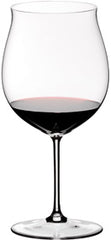
The Fihl Merlot by Peter Dipoli presents itself as a still red wine with an intense garnet colour highlighted by delicate violet hues. A true expression of the Alto Adige region, this wine enhances the unique qualities of the Merlot grape, offering a sip that skilfully balances pronounced smoothness with a pleasant fruity savouriness. Its organoleptic profile reflects a well-defined character, which has won the praise of wine critics, earning a notable rating in the Vinous guide.
Where does it come from
The roots of this wine lie in the renowned soils of the Bassa Atesina, particularly in the Egna area. The name itself, Fihl, pays homage to the ancient place name of a locality north of the village, the historic site of the winery. In this specific geographical context, the vines are trained using the simple Guyot cordon system. The grape harvest usually takes place around mid-September, a crucial moment that allows for the preservation of the right balance between fruit ripeness and freshness on the palate.
How is it produced
The production process begins with destemming, followed by fermentation in steel in open vats for about ten days, accompanied by daily punch-downs. After malolactic fermentation, maturation continues in wooden barrels of one or two passages, finishing with a further four months of rest in concrete vats. This careful evolution gives the nose aromas of wild berries and eucalyptus, enriched by a characteristic cocoa finish. To enhance its qualities, it is recommended to decant for one hour and serve between sixteen and eighteen degrees Celsius.
History and Curiosities
The name Fihl recalls the ancient locality north of Egna, home to Peter Dipoli's winery. Produced from grapes grown in the Bassa Atesina, this pure Merlot captivates with its intense garnet red colour and violet hues. On the palate, it reveals a perfect balance between smoothness and fruity savouriness, releasing elegant notes of wild berries and eucalyptus, enriched by a seductive cocoa finish. A true tribute to the South Tyrolean region, skilfully aged in barriques to evolve over time and offer an excellent tasting experience.
Awards
-
2020
 90
90/100
Vinous is the online guide from Antonio Galloni, one of the world's leading wine connoisseurs.
Tasting notes

Perfume

Color
Taste
Serve at:
16 - 18 °C
Longevity:
05 - 10 years
Decanting time:
1 hour
- Start up year: 1987
- Oenologist: Peter Dipoli
- Bottles produced: 40.000
- Hectares: 5
In the following years, the estate was enlarged by buying some new vineyard and renting others. This is how the vineyard Iugum in the nearby village of Magré, became part of the property. In the beginning the grapes were vinified at a friend’s winery. A fundamental step was to buy an ancient, rural house in Villa, in the village of Egna, that in 1998 was restored and became the estate winery. Read more


| Name | Dipoli Fihl Merlot 2020 |
|---|---|
| Type | Red still |
| Denomination | Alto Adige DOC |
| Vintage | 2020 |
| Size | 0,75 l |
| Alcohol content | 13.5% by volume |
| Grape varieties | Merlot |
| Country | Italy |
| Region | Trentino Alto Adige |
| Vendor | Dipoli Peter |
| Story | History and Curiosities The name Fihl recalls the ancient locality north of Egna, home to Peter Dipoli's winery. Produced from grapes grown in the Bassa Atesina, this pure Merlot captivates with its intense garnet red colour and violet hues. On the palate, it reveals a perfect balance between smoothness and fruity savouriness, releasing elegant notes of wild berries and eucalyptus, enriched by a seductive cocoa finish. A true tribute to the South Tyrolean region, skilfully aged in barriques to evolve over time and offer an excellent tasting experience. |
| Origin | Egna (Bolzano) |
| Cultivation system | Single cordon (Guyot) |
| Plants per hectare | 6000 |
| Harvest | Mid-September |
| Fermentation | Approximately ten days |
| Production technique | After destemming, fermentation in open steel vats for about ten days with two punch-downs per day; malolactic fermentation in steel; maturation in barriques of one or two passages and ageing for 4 months in concrete vats before bottling. |
| Wine making | After destemming, fermentation takes place in open steel vats for about ten days with two punch-downs per day; the wine is then transferred to steel tanks for malolactic fermentation; maturation occurs in barriques that have been used once or twice, followed by a further 4 months of ageing in concrete vats before bottling. |
| Aging | After malolactic fermentation, maturation in barriques of one or two passages, followed by a further 4 months of ageing in concrete vats before bottling. |
| Year production | 40000 bottles |
| Allergens | Contains sulphites |