


Caze Thibaut
Champagne Jossias Brut Nature 2021
| Denomination | AOC Champagne Blanc de Noirs Brut |
|---|---|
| Size | 0,75 l |
| Alcohol content | 12.5% by volume |
| Area | Champagne region (France) |
| Grape varieties | 100% Pinot Nero |
| Aging | Refermentation in the bottle after spontaneous fermentation in oak barrels |
- Grape variety and style: Blanc de Noirs DOC sparkling wine, 100% organic Pinot Noir, 2021 harvest
- Zero dosage: Brut Nature with no added sugars, dry, fresh and linear taste
- Vinification: Traditional method with spontaneous fermentation in oak and indigenous yeasts
- Sensory profile: Notes of red fruits, minerality and savouriness, fine and persistent bubbles
- Limited edition: 1,033 bottles produced, 12.5% ABV, ageing potential 5–10 years


Description
What kind of wine it is
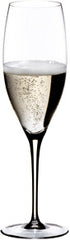
Champagne Jossias Brut Nature by Cazé-Thibaut is a Blanc de Noirs made from Pinot Noir grapes. It appears a straw yellow colour with a fine and persistent perlage. On the nose, it offers clear aromas of red fruits, while on the palate it reveals a profoundly dry, fresh and vertical character. Produced according to the Traditional Method and without dosage, it highlights a pronounced minerality and vibrant acidity. It is recommended to serve it between 6 and 8°C, paired with shellfish, sushi, fried fish, cured meats and cheeses.
Where it comes from
This wine originates from Vandières, in the renowned Champagne region. The vineyards, managed under organic farming and focused on sustainability, benefit from a favourable south-east exposure. The roots delve into calcareous-clay soils, responsible for the pronounced mineral tension on the palate. The wine reflects the philosophy of Cazé-Thibaut, a historic estate led by an independent winemaker dedicated to enhancing the authentic identity of the area.
How it is produced
The production process strictly follows the Traditional Method. In the cellar, spontaneous fermentation takes place in oak barrels through the action of indigenous yeasts, respecting the primary aromatic profile of the grapes. The subsequent refermentation in the bottle structures the tasting experience and perfects the elegance of the palate. With no added sugars, this Blanc de Noirs displays a dry profile and possesses a solid ageing potential estimated between five and ten years.
History and Curiosities
Founded in 1953, Maison Cazé-Thibaut expresses the authenticity of its region through this organic Blanc de Noirs made from Pinot Noir grapes. Originating from the calcareous-clay soils of Vandières, Champagne Jossias Brut Nature 2021 is the result of the meticulous work of an independent winemaker. Its austere profile is shaped by fermentation in oak barrels with indigenous yeasts and the absence of dosage. Produced in only 1,033 bottles, it has an ageing potential that will allow it to evolve over a decade.
Tasting notes
Perlage
Perfume
Color
Taste
Serve at:
06 - 08 °C
Longevity:
05 - 10 years
- Start up year: 1953
They deserve to be told. Modeled over the centuries by 10 generations of winemakers, Maison Cazé-Thibaut has seen the birth of men and women, all devoted to their land and their profession in the beautiful valley of the Marne.
Roger Cazé was the first to market bottles of Champagne. Fine winemaker, his fame was such that he practiced for the surrounding villages of winemakers and Champagne Cazé he founded in 1953.
In the Cazé house, the works succeed one another, complement each other but never contradict each other. Today, Fabien continues this work of passion to create precise and elegant wines in which the notion of terroir is obviously essential. Read more


| Name | Caze Thibaut Champagne Jossias Brut Nature 2021 |
|---|---|
| Type | White organic classic method sparkling wine pas dosé |
| Denomination | Champagne AOC |
| Vintage | 2021 |
| Size | 0,75 l |
| Alcohol content | 12.5% by volume |
| Grape varieties | 100% Pinot Nero |
| Country | France |
| Region | Champagne region |
| Vendor | Caze Thibaut |
| Story | History and Curiosities Founded in 1953, Maison Cazé-Thibaut expresses the authenticity of its region through this organic Blanc de Noirs made from Pinot Noir grapes. Originating from the calcareous-clay soils of Vandières, Champagne Jossias Brut Nature 2021 is the result of the meticulous work of an independent winemaker. Its austere profile is shaped by fermentation in oak barrels with indigenous yeasts and the absence of dosage. Produced in only 1,033 bottles, it has an ageing potential that will allow it to evolve over a decade. |
| Origin | Vandières |
| Climate | Exposure: South-East. |
| Soil composition | Calcareous-clay |
| Production technique | Traditional method (classic method); spontaneous fermentation in oak barrels with indigenous yeasts; secondary fermentation in bottle |
| Wine making | Traditional method (classic method); spontaneous fermentation in oak barrels with indigenous yeasts; secondary fermentation in the bottle; Brut Nature (no dosage). |
| Aging | Refermentation in the bottle after spontaneous fermentation in oak barrels |
| Year production | 1033 bottles |
| Allergens | Contains sulphites |