


Palau
Gazo Traditional Method Rosado Brut
| Denomination | DO Cava |
|---|---|
| Size | 0,75 l |
| Alcohol content | 11.5% by volume |
| Area | Catalonia (Spain) |
| Grape varieties | 100% Trepat |
| Aging | Second fermentation in the bottle for 9–12 months, with slight development from contact with the lees. |
- Identity: organic sparkling rosé, 100% Trepat, 11.5% ABV, 0.75 L bottle
- Aromas: cherry, blackberry, raspberry, plum, figs and a slight yeasty evolution
- Palate and perlage: fresh and fruity flavour, lively acidity, fine and persistent bubbles
- Method: bottle-aged on the lees for 9–12 months according to the Traditional Method
- At the table: ideal aperitif with seafood, shellfish and carpaccio. Suitable for a vegan diet


Description
What kind of wine is it
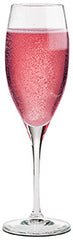
Cava Palau Gazo Traditional Method Rosado Brut is an organic sparkling rosé wine made from Trepat grapes. Crafted using the Traditional Method, it matures on the lees, developing a fine and persistent perlage. The bouquet releases aromas of cherry, blackberry and raspberry, accompanied by notes of plum, figs and a delicate hint of evolution. On the palate, it is fresh and lively, with a long, clean finish. Ideal as an aperitif, it enhances seafood, shellfish and light risottos, and pairs harmoniously with goat's cheese, white meats and desserts. Its structure also makes it an excellent match for a vegan diet.
Where does it come from
This sparkling wine originates in Penedès, Catalonia, the heartland of Cava in Spain. The area is characterised by a Mediterranean climate and limestone soils, key factors in ensuring aromatic clarity and lively flavour. In this particular winegrowing context, the Trepat grape ripens to express an excellent balance between fruit and acidity. The choice to vinify this variety as a rosé highlights the natural freshness of the region, offering a direct, smooth sip with a pronounced fruity character.
How is it produced
After harvesting, the destemmed grapes are cooled and undergo a twelve-hour maceration to extract colour and aromas precisely. This is followed by gentle pressing, selection of the must and a first fermentation at controlled temperature. Once clarification and stabilisation are complete, the base wine is ready for the prise de mousse according to the Traditional Method. The second fermentation takes place in the bottle, followed by ageing on the lees for nine to twelve months in the cellar. This delicate stage enriches the structure and gives the sparkling wine its characteristic and refreshing effervescence.
History and Curiosities
The Cava Palau Rosado embodies the excellence of Penedès, in Catalonia, a region characterised by its Mediterranean climate and particularly suitable limestone soils. The Sancho family, from the Mont Marcal winery, skilfully combines cutting-edge technology with the rigorous traditional method, ageing this fine organic sparkling wine in the bottle for 9-12 months. The careful twelve-hour maceration and slow fermentation at controlled temperature preserve the intense fruity freshness of the grapes. The result is a harmonious and vibrant glass.
Tasting notes

Perlage

Perfume

Color

Taste
Serve at:
06 - 08 °C
Longevity:
03 - 05 years


| Name | Cava Palau Gazo Traditional Method Rosado Brut |
|---|---|
| Type | Rosé organic classic method sparkling wine |
| Denomination | Cava DO |
| Size | 0,75 l |
| Alcohol content | 11.5% by volume |
| Grape varieties | 100% Trepat |
| Country | Spain |
| Region | Catalonia |
| Vendor | Palau |
| Story | History and Curiosities The Cava Palau Rosado embodies the excellence of Penedès, in Catalonia, a region characterised by its Mediterranean climate and particularly suitable limestone soils. The Sancho family, from the Mont Marcal winery, skilfully combines cutting-edge technology with the rigorous traditional method, ageing this fine organic sparkling wine in the bottle for 9 2 months. The careful twelve-hour maceration and slow fermentation at controlled temperature preserve the intense fruity freshness of the grapes. The result is a harmonious and vibrant glass. |
| Origin | Penedès, Catalonia, Spain |
| Climate | Mediterranean climate |
| Soil composition | Calcareous soils |
| Fermentation temperature | 12–14 °C |
| Fermentation | 15 days (alcoholic fermentation) + 9 2 months (second fermentation in bottle) |
| Production technique | Traditional method (classic method) with secondary fermentation in the bottle; mechanical harvesting, destemming, cooling to 12 °C and 12-hour maceration; pneumatic pressing and must selection; fermentation at 12–14 °C for 15 days; clarification, tartaric stabilisation and final filtration. |
| Wine making | Mechanical harvesting; destemming; cooling of the grapes to 12°C and maceration for 12 hours; pneumatic pressing at 0.2 kg with selection of the must; stabilisation and fermentation at 12–14°C for 15 days; racking after alcoholic fermentation with clarification, tartaric stabilisation and final filtration; second fermentation in bottle (traditional method) for 9–12 months. |
| Aging | Second fermentation in the bottle for 9–12 months, with slight development from contact with the lees. |
| Total acidity | 6.0 gr/L |
| Residual sugar | 8.0 gr/L |
| Allergens | Contains sulphites |