


Catherine Ronseaux
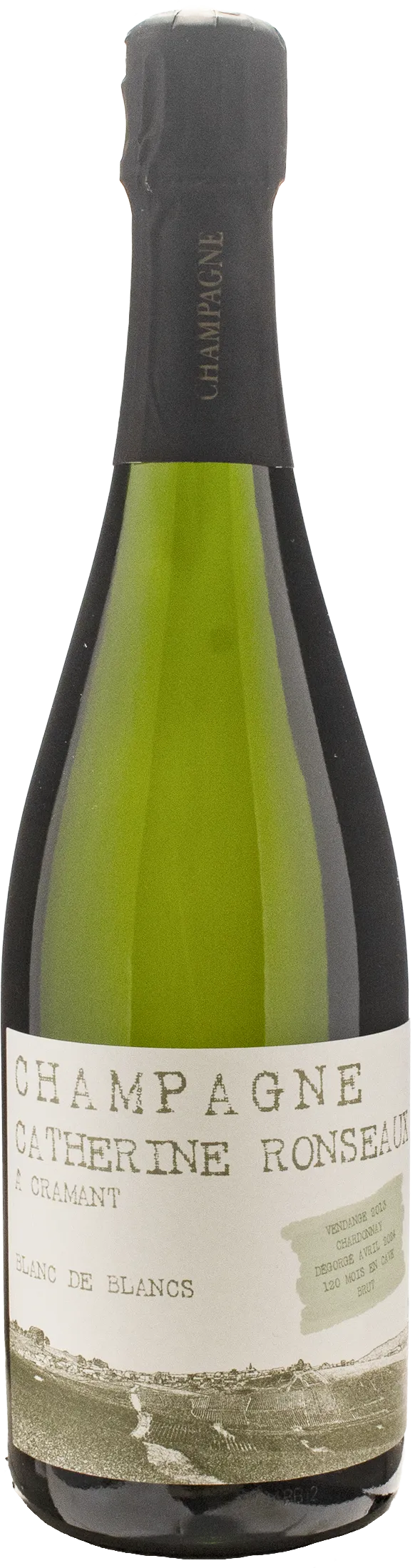
Champagne Blanc de Blancs
| Denomination | AOC Champagne Blanc de Blancs Brut |
|---|---|
| Size | 0,75 l |
| Alcohol content | 12.0% by volume |
| Area | Champagne region (France) |
| Grape varieties | 100% Chardonnay |
| Aging | Aged for 120 months in the cellar; disgorged in April 2024 |
- Origin and grape variety: 100% Chardonnay from Cramant, Côte des Blancs, soils rich in chalk
- Method and style: Traditional Brut method, bottle refermentation, rare 2013 vintage
- Extended ageing: 120 months on the lees; disgorged in April 2024 for greater complexity
- Tasting notes: fine perlage; hints of citrus and exotic fruit; fresh and persistent palate
- Serving temperature and pairings: serve at 6-8°C with starters, shellfish, fish and cheeses

Description
What kind of wine it is
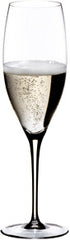
Catherine Ronseaux Champagne Blanc de Blancs is a sparkling wine produced using the Traditional Method that faithfully expresses the character of its region. Made exclusively from Chardonnay grapes, it displays a straw yellow colour with golden highlights and a fine perlage. On the nose, it reveals a fruity bouquet, with prominent citrus and exotic fruit notes. On the palate, the Champagne is fresh and persistent, offering a harmonious and well-structured sip. Ageing in the cellar enriches its flavour profile, giving it a pleasant complexity.
Where it comes from
This wine originates in Cramant, in the heart of the Côte des Blancs, within the renowned Champagne region. The area is characterised by deep chalk outcrops and a protected microclimate thanks to the Butte de Saran. These conditions ensure balanced ripening for the Chardonnay. The regional character emerges in the glass with a clear and taut expression. Careful vineyard management gives the Champagne a marked aromatic purity, resulting in a drink of extreme finesse and elegance.
How it is produced
Production strictly follows the Traditional Method, with careful secondary fermentation in the bottle. Prolonged ageing on the lees defines the wine’s profile, ensuring a fine perlage and great sensory stability. Thanks to the Brut dosage, the taste remains pleasantly dry, enhancing the vibrant liveliness of the Chardonnay. Served at the ideal temperature, it pairs beautifully with refined fish dishes, sophisticated starters, shellfish and delicate cheeses, enhancing every pairing.
History and Curiosities
Catherine Ronseaux Blanc de Blancs originates in Cramant, in the prestigious Côte des Blancs, where the microclimate of the Butte de Saran and the chalky soils provide the ideal environment for Chardonnay. This rare vintage expression from 2013 celebrates patience and the art of winemaking thanks to an exceptional 120 months of ageing in the cellar. Crafted according to the strict rules of the traditional method and disgorged in April 2024, this cuvée is a testament to the winery's passion for creating elegant wines, specifically designed to enhance your most memorable moments.
Tasting notes
Perlage
Perfume
Color
Taste
Serve at:
06 - 08 °C
Longevity:
05 - 10 years
Catherine Ronseaux is based in Cramant. This small but charming village is nestled in the heart of the Côte de Blancs. Cramant enjoys a unique microclimate: in fact, Butte de Saran protects it from winds and very cold temperatures. The wines produced in this unique terroir are balanced with floral notes with exotic traits. The vineyards are sunlit most of the day and it is here, where the chalk outcrops, that the Chardonnay finds the ideal conditions to give its best. Read more



| Name | Catherine Ronseaux Champagne Blanc de Blancs |
|---|---|
| Type | White classic method sparkling wine brut |
| Denomination | Champagne AOC |
| Size | 0,75 l |
| Alcohol content | 12.0% by volume |
| Grape varieties | 100% Chardonnay |
| Country | France |
| Region | Champagne region |
| Vendor | Catherine Ronseaux |
| Story | History and Curiosities Catherine Ronseaux Blanc de Blancs originates in Cramant, in the prestigious Côte des Blancs, where the microclimate of the Butte de Saran and the chalky soils provide the ideal environment for Chardonnay. This rare vintage expression from 2013 celebrates patience and the art of winemaking thanks to an exceptional 120 months of ageing in the cellar. Crafted according to the strict rules of the traditional method and disgorged in April 2024, this cuvée is a testament to the winery's passion for creating elegant wines, specifically designed to enhance your most memorable moments. |
| Origin | Cramant, in the heart of the Côte des Blancs (Champagne region) |
| Soil composition | Gypsum outcrops |
| Fermentation | 120 months |
| Production technique | Classic method (traditional method) |
| Wine making | Classic method (traditional method); disgorgement April 2024; ageing 120 months in cellar. |
| Aging | Aged for 120 months in the cellar; disgorged in April 2024 |
| Allergens | Contains sulphites |