


Carlo Viglione
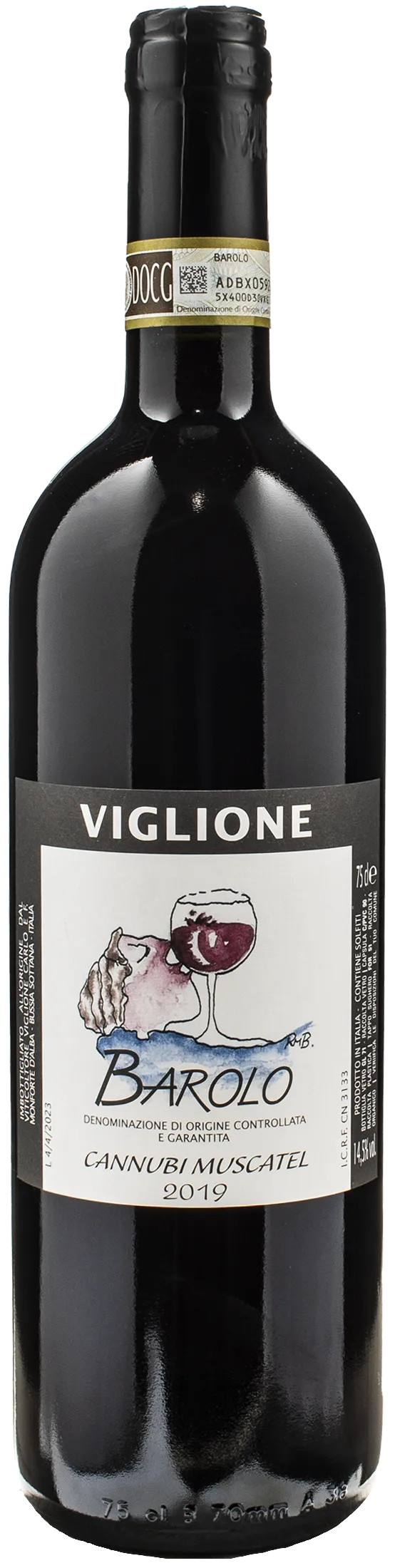
Barolo Cannubi Muscadel 2019
| Denomination | DOCG Barolo |
|---|---|
| Size | 0,75 l |
| Alcohol content | 14.5% by volume |
| Area | Piedmont (Italy) |
| Grape varieties | 100% Nebbiolo |
| Aging | Aged in used oak tonneaux for 36 months. |
- Barolo DOCG 2019: 100% Nebbiolo, 14.5% vol, 0.75 l bottle
- Cru Cannubi Muscadel: Monforte d’Alba, vines over 40 years old, tradition since 1915
- Vinification: fermentation with indigenous yeasts in steel, maceration for 20–25 days
- Ageing: 36 months in used oak tonneaux, austere palate and persistent finish
- Pairings and serving: roasts, game, mature cheeses; temperature 18–20 °C, aeration 1 hour
Description
What kind of wine it is
Carlo Viglione Barolo Cannubi Muscadel is a red wine from Piedmont made from Nebbiolo grapes in the Barolo area. It stands out for its ruby red colour and an aromatic profile that ranges from notes of violet and ripe fruit to subtle spicy hints of pepper. On the palate, it is seductive and austere, with a powerful structure and an elegant sip with a long and persistent finish. This complex flavour profile makes it ideal for pairing with succulent roasts, game dishes and mature cheeses.
Where it comes from
This wine originates in Monforte d’Alba, in the Cannubi Muscadel cru. The vineyards, tended by Carlo Viglione with family management dating back to 1915, are characterised by the presence of old Guyot-trained vines, some of which are up to eighty years old. The plants sink their roots into soils composed of silty clays, a feature that gives vigour and depth to the Nebbiolo. Viticulture is oriented towards sustainable practices, aimed at reducing chemical interventions to preserve the natural balance of the land.
How it is produced
Production begins with manual harvesting and destemming of the bunches. Fermentation with indigenous yeasts takes place in stainless steel vats, followed by a maceration on the skins for twenty to twenty-five days, essential for extracting the structure of the Nebbiolo. Afterwards, the wine matures for thirty-six months in oak barrels. This carefully managed ageing allows the wine to evolve elegantly, maintaining its varietal identity without the wood notes becoming dominant.
History and Curiosities
This prestigious Barolo Cannubi Muscadel originates in Monforte d’Alba from the passion of the Carlo Viglione winery, dedicated to viticulture since 1915. Produced from just four hectares cultivated according to organic and sustainable practices, the wine expresses the authenticity of old Nebbiolo vines. The meticulous manual harvest and the use of indigenous yeasts enhance the connection with the Piedmontese terroir, giving this Barolo DOCG a rare complexity, a testament to great dedication and profound artisanal care.
Tasting notes

Perfume

Color

Taste
Serve at:
18 - 20 °C
Longevity:
10 - 15 years
Decanting time:
1 hour
- Start up year: 1915
- Bottles produced: 11.000
- Hectares: 4
Today it is Giulio and his wife Bernard Rosa Maria who assist the company: from the vineyard to the bottling, everything is carried out in a familiar and traditional way. They have always cultivated almost 4 hectares of vineyards with the utmost respect for nature. In the vineyard, in fact, no chemical intervention takes place, except for some treatment with sulphur and copper, only manual harvesting and fermentation activated thanks to the yeasts present on the plant, and then finish the whole process in large oak barrels. Read more



| Name | Carlo Viglione Barolo Cannubi Muscadel 2019 |
|---|---|
| Type | Red green still |
| Denomination | Barolo DOCG |
| Vintage | 2019 |
| Size | 0,75 l |
| Alcohol content | 14.5% by volume |
| Grape varieties | 100% Nebbiolo |
| Country | Italy |
| Region | Piedmont |
| Vendor | Carlo Viglione |
| Story | History and Curiosities This prestigious Barolo Cannubi Muscadel originates in Monforte d’Alba from the passion of the Carlo Viglione winery, dedicated to viticulture since 1915. Produced from just four hectares cultivated according to organic and sustainable practices, the wine expresses the authenticity of old Nebbiolo vines. The meticulous manual harvest and the use of indigenous yeasts enhance the connection with the Piedmontese terroir, giving this Barolo DOCG a rare complexity, a testament to great dedication and profound artisanal care. |
| Origin | Monforte d'Alba (CN) |
| Soil composition | Silty clays |
| Cultivation system | Guyot |
| Yield per hectare | 50 hl/ha |
| Fermentation | 20–25 days |
| Production technique | Fermentation with indigenous yeasts in stainless steel vats with skin maceration for 20–25 days; ageing for 36 months in used oak tonneaux |
| Wine making | Destemming and crushing; fermentation in 25 hl stainless steel vats; maceration on the skins for 20–25 days |
| Aging | Aged in used oak tonneaux for 36 months. |
| Allergens | Contains sulphites |