


Cantine Monfort
Trento Rosé Brut
| Denomination | DOC Trento Spumante Rosato |
|---|---|
| Size | 0,75 l |
| Alcohol content | 12.5% by volume |
| Area | Trentino Alto Adige (Italy) |
| Grape varieties | 50% Chardonnay, 50% Pinot Nero |
| Aging | 30 months of maturation on the lees |
- Name and style: Brut Rosé Sparkling Wine, Traditional Method, Trento DOC designation
- Balanced blend: Composed of 50% Chardonnay and 50% Pinot Noir, combining freshness and structure
- Ageing on the lees: 30 months maturation in the bottle for greater complexity and creaminess
- Aromatic profile: Hints of strawberry and red apple, with floral notes and mineral accents
- Serving and pairings: Serve at 6-8°C, ideal as an aperitif or with light fish-based dishes
Description
What kind of wine it is
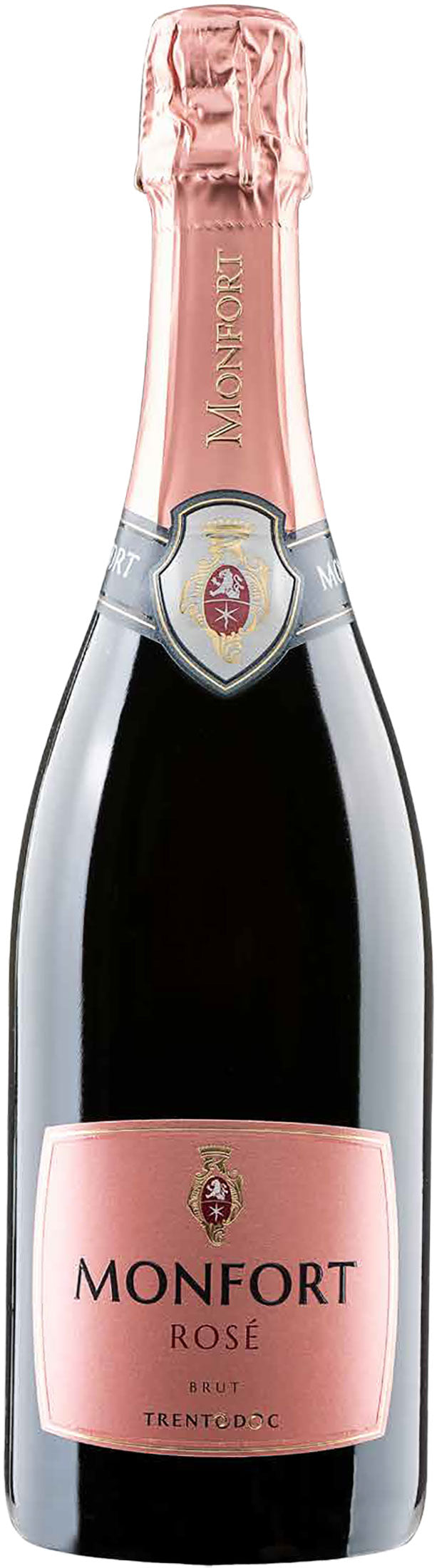
Monfort Trento Brut Rosé is a dry sparkling rosé wine created from a balanced blend of Pinot Noir and Chardonnay. Careful production following the Traditional Method ensures a fine and persistent perlage, which perfectly enhances its delicate antique pink hue. On the nose, it reveals an intense and complex bouquet, marked by clear fruity notes of red apple and strawberry, accompanied by floral and mineral nuances. On the palate, it is harmonious, crisp, and boasts excellent structure, standing out for its pleasantly creamy and savoury finish.
Where it comes from
This wine originates in Trentino-Alto Adige, along the sunny hillside slopes between Trento and Pergine Valsugana. The vineyards, cultivated using the Guyot system, benefit from an altitude between 400 and 600 metres above sea level. The vines take root in porphyritic and calcareous soil, a fundamental geological element that imparts a pronounced mineral character and great freshness to the aromatic profile. Since 1945, under the guidance of the Simoni family, the Monfort brand has managed these plots with utmost care, fully enhancing the area's natural vocation.
How it is produced
The production of Monfort Trento Brut Rosé strictly follows the criteria of the Trento denomination. Immediately after pressing, the grapes undergo a white vinification process that preserves the elegant colour component of the must. The primary fermentation takes place in stainless steel tanks, kept at a constantly controlled temperature of around 18°C. The subsequent prise de mousse, as required by the Traditional Method, initiates a slow thirty-month maturation on the lees, a crucial phase for developing the deep aromatic complexity and structure that characterise the wine up to the final disgorgement.
History and Curiosities
Born in 1945 from the dream of the Simoni family, Monfort Trento Brut Rosé expresses the authentic Alpine vocation of Trentino. On the hills between Trento and Pergine Valsugana, at altitudes between 400 and 600 metres, the vineyards yield exceptional grapes, expertly crafted by oenologist Maurizio Iachemet. This elegant Trento DOC comes to life through the rigorous Traditional Method, gaining depth thanks to a patient maturation of 30 months on the lees. An excellence awarded by Wine Spectator, encapsulating a long history of passion.
Awards
-
 4
4Italian Sommelier Foundation (FIS) guide This has been one of the most prestigious wine guides in Italy for over 10 years.
-
 3
3One of the most prestigious wine guides in Italy.
Tasting notes
Perlage

Perfume

Color

Taste
Serve at:
06 - 08 °C
Longevity:
05 - 10 years

- Start up year: 1945
- Oenologist: Maurizio Iachemet
- Bottles produced: 300.000
- Hectares: 70


| Name | Cantine Monfort Trento Rosè Brut |
|---|---|
| Type | Rosé classic method sparkling wine brut |
| Denomination | Trento DOC |
| Size | 0,75 l |
| Alcohol content | 12.5% by volume |
| Grape varieties | 50% Chardonnay, 50% Pinot Nero |
| Country | Italy |
| Region | Trentino Alto Adige |
| Vendor | Cantine Monfort |
| Story | History and Curiosities Born in 1945 from the dream of the Simoni family, Monfort Trento Brut Rosé expresses the authentic Alpine vocation of Trentino. On the hills between Trento and Pergine Valsugana, at altitudes between 400 and 600 metres, the vineyards yield exceptional grapes, expertly crafted by oenologist Maurizio Iachemet. This elegant Trento DOC comes to life through the rigorous Traditional Method, gaining depth thanks to a patient maturation of 30 months on the lees. An excellence awarded by Wine Spectator, encapsulating a long history of passion. |
| Origin | Trentino, hilly area of Trento and Pergine Valsugana |
| Soil composition | Porphyritic and calcareous |
| Cultivation system | Guyot |
| Plants per hectare | 4000-5000 |
| Yield per hectare | 103 quintals per hectare |
| Fermentation temperature | Circa 18 °C |
| Fermentation | null |
| Production technique | Traditional method (secondary fermentation in the bottle) |
| Wine making | Traditional Classic Method in accordance with regulations: pressing followed by white vinification to preserve the colour; fermentation in stainless steel tanks at a controlled temperature of around 18°C; resting on the lees until shortly before bottling in the following spring; ageing for 30 months on the lees. |
| Aging | 30 months of maturation on the lees |
| Year production | 300000 bottles |
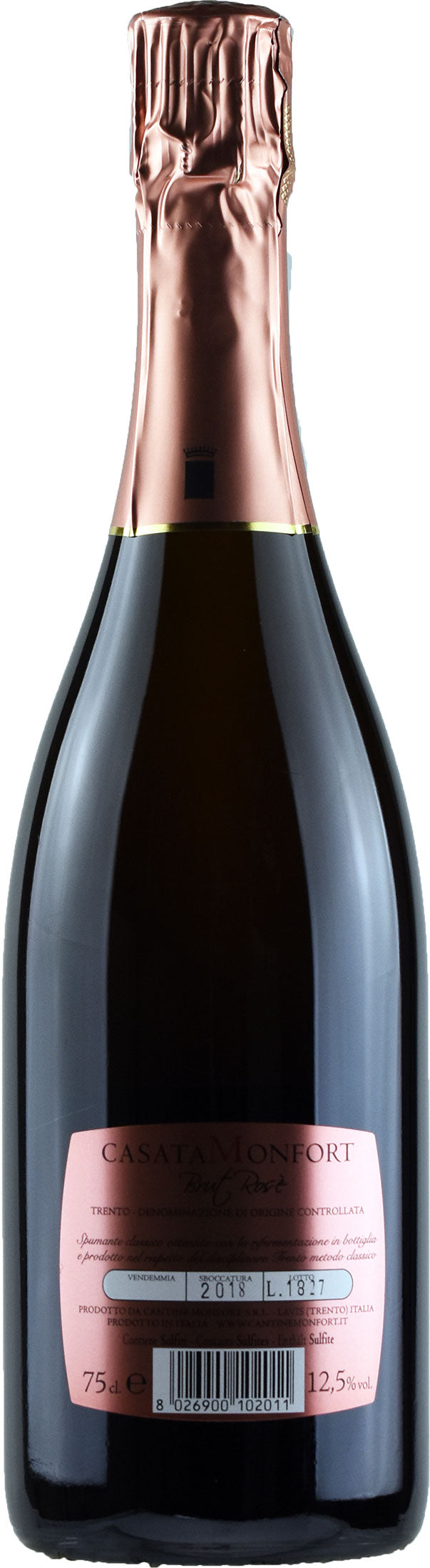
| Allergens | Contains sulphites |