


Bruno Paillard
Champagne Grand Cru Blanc de Blancs Extra Brut 2013
| Denomination | AOC Champagne Grand Cru Blanc de Blancs Extra Brut |
|---|---|
| Size | 0,75 l |
| Alcohol content | 12.0% by volume |
| Area | Champagne region (France) |
| Grape varieties | 100% Chardonnay |
| Aging | 4 years on the lees, then a further 10 months of ageing after disgorgement |
- Grape variety and style: 100% Chardonnay, Blanc de Blancs Extra Brut Grand Cru
- Ageing: 4 years on the lees and 10 months after disgorgement, traditional method
- Aromas: notes of lime and grapefruit, white flowers, almond and bread crust
- Taste: lively entry, white fruit and chalky minerality, persistent and fresh finish
- Pairings and serving: ideal with oysters and shellfish, serve at 6–8 °C


Description
What kind of wine it is
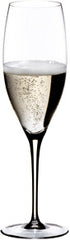
The Champagne Grand Cru Blanc de Blancs Extra Brut by Bruno Paillard is a rigorous wine, created to express the purity of Chardonnay. Made using the Traditional Method, it appears in the glass with a pale gold hue and greenish highlights. The bouquet opens with lively citrus notes of lime and grapefruit, followed by hints of white flowers. As it breathes, elegant notes of toasted almond and bread crust emerge. On the palate, it stands out for its dynamic entry, where white-fleshed fruit merges with pronounced minerality, finishing with a fresh and long-lasting aftertaste.
Where it comes from
This Blanc de Blancs originates from the renowned Côte des Blancs, a sub-region of Champagne particularly suited to the cultivation of Chardonnay. The character of the wine is deeply linked to the land, distinguished by soils rich in chalk. This strong calcareous matrix is reflected in the flavour profile, imparting a clear minerality and a dry character. The selection of grapes from vineyards classified as Grand Cru ensures a style marked by finesse and aromatic precision, faithfully reflecting the identity of its landscape of origin.
How it is produced
The production process involves secondary fermentation in the bottle with a focus on gentle pressure, to ensure an extremely fine perlage. During the prise de mousse, a less aggressive carbon dioxide develops, essential for enhancing the elegance of the grape variety. Maturation continues with a long ageing on the lees for four years, during which complex bakery notes develop. After disgorgement, a ten-month rest completes the structural evolution, preserving the freshness typical of an Extra Brut dosage.
History and Curiosities
Born from Bruno Paillard's desire to create a wine of absolute purity, this Blanc de Blancs Extra Brut 2013 is produced using the historic “Demi Mousse” technique. The use of a reduced amount of sugar before the second fermentation allows for a delicate pressure of 4.5 atmospheres, ensuring an extremely fine perlage. This elegant Champagne rests on the lees for four years and matures for a further ten months after disgorgement, achieving an excellent flavour profile that has been awarded 92 points by James Suckling and Vinous.
Awards
-
2013
 91
91/100
Decanter is a wine and lifestyle magazine, published monthly in around 90 countries. The magazine includes industry news, classic guides and advice on wine and spirits.
-
2013
 92
92/100
James Suckling is an influential American wine critic and journalist who worked at Wine Spectator for 30 years. He left the magazine in 2010 to start his own website and guidebook (JamesSuckling.com). He specialises in Italian and Bordeaux wines.
-
2013
 92
92/100
Vinous is the online guide from Antonio Galloni, one of the world's leading wine connoisseurs.
Tasting notes
Perlage
Perfume
Color
Taste
Serve at:
06 - 08 °C
Longevity:
10 - 15 years
- Oenologist: Mathieu Pingret
- Hectares: 32
According to Bruno Paillard, a great Champagne is first and foremost a blend of wines: first and foremost of crus, of grapes, but also vintages always with this desire to capture the quintessence of finesse and elegance that Champagne can offer when it is served lovingly. Read more


| Name | Bruno Paillard Champagne Grand Cru Blanc de Blancs Extra Brut 2013 |
|---|---|
| Type | White classic method sparkling wine extra brut |
| Denomination | Champagne AOC |
| Vintage | 2013 |
| Size | 0,75 l |
| Alcohol content | 12.0% by volume |
| Grape varieties | 100% Chardonnay |
| Country | France |
| Region | Champagne region |
| Vendor | Bruno Paillard |
| Story | History and Curiosities Born from Bruno Paillard's desire to create a wine of absolute purity, this Blanc de Blancs Extra Brut 2013 is produced using the historic "Demi Mousse" technique. The use of a reduced amount of sugar before the second fermentation allows for a delicate pressure of 4.5 atmospheres, ensuring an extremely fine perlage. This elegant Champagne rests on the lees for four years and matures for a further ten months after disgorgement, achieving an excellent flavour profile that has been awarded 92 points by James Suckling and Vinous. |
| Origin | Côte des Blancs (Champagne, France) |
| Fermentation | 4 anni sui lieviti, poi 10 mesi di ulteriore affinamento dopo la sboccatura |
| Production technique | Traditional method (second fermentation in the bottle) |
| Wine making | Traditional method with a second fermentation in the bottle; ancient vinification with bottle fermentation that is less powerful than traditional Champagne; 4 years on the lees, then a further 10 months of ageing after disgorgement. |
| Aging | 4 years on the lees, then a further 10 months of ageing after disgorgement |
| Allergens | Contains sulphites |