


Bollinger
Special Cuvee Brut
| Denomination | AOC Champagne Brut |
|---|---|
| Size | 1,50 l |
| Alcohol content | 12.0% by volume |
| Area | Champagne region (France) |
| Grape varieties | 60% Pinot Nero, 25% Chardonnay, 15% Pinot Meunier |
| Aging | Bottle ageing on the lees for at least 3 years (approximately 36 months) before disgorgement; a portion of reserve wines is aged in magnums for 5–15 years; rests in the cellar for a minimum of 3 months before shipping. |
- Magnum Format 1.5 L: promotes balanced development and prolonged freshness over time
- Blend: 60% Pinot Noir, 25% Chardonnay, 15% Meunier; over 85% from Grand Cru vineyards
- Method: fermentation in small steel and wooden barrels, maturation in chalk cellars
- Ageing: 3 years on the lees; use of reserve wines up to 15 years old to maintain the style
- Tasting: dry and savoury, notes of baked apple and brioche; serve at 8–10°C


Description
What kind of wine it is
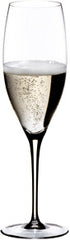
Bollinger Special Cuvée Brut Magnum represents the Champagne that is the symbol of the winery, distinguished by a refined balance between structure and liveliness. Created from a skilful blend of Pinot Noir, Chardonnay and Pinot Meunier from Grand Cru and Premier Cru vineyards, it displays a golden yellow colour and an extremely velvety perlage. On the nose, it reveals remarkable aromatic complexity, with clear notes of baked apple, brioche and toasted almond. On the palate, it is dry and fresh, finishing with a persistent aftertaste and a distinct savoury and mineral trace.
Where it comes from
Bollinger has cultivated its own vineyards since 1829 in the heart of Champagne, France. The estate extends over prestigious plots, focusing on parcels classified almost entirely as Grand Cru and Premier Cru. The dominant grape variety is Pinot Noir, which imparts a deep structure and pronounced vinosity to the house's wines. Careful agronomic management ensures fruit of the highest quality, forming the solid foundation of the organoleptic profile.
How it is produced
Production follows the strict rules of the Traditional Method, with primary fermentation carried out in small steel and wooden barrels. The must rests in these vessels until spring, protected in underground cellars with chalk walls. A key element for stylistic consistency is the use of precious reserve wines, aged separately for many years. After the prise de mousse, the Champagne matures on the lees for at least three years, a period that enriches its flavour and ensures formidable ageing potential.
History and Curiosities
Founded in 1829, Maison Bollinger is epitomised in the Bollinger Special Cuvée, a name created in 1911 by a British agent. The blend is composed of over 85% Grand Cru grapes, highlighting the structured elegance of Pinot Noir. After fermentation in small barrels, the wine rests in historic underground cellars carved into chalk. The use of fine reserve wines and three years of ageing bestow exceptional aromatic richness, further enhanced by the Magnum format, the ideal size for a sublime evolution over time.
Awards
-
 96
96/100
Decanter is a wine and lifestyle magazine, published monthly in around 90 countries. The magazine includes industry news, classic guides and advice on wine and spirits.
-
 93
93/100
James Suckling is an influential American wine critic and journalist who worked at Wine Spectator for 30 years. He left the magazine in 2010 to start his own website and guidebook (JamesSuckling.com). He specialises in Italian and Bordeaux wines.
-
 92
92/100
The prestigious international wine guide from the renowned Robert Parker, the world's most experienced and trusted wine taster.
-
 91
91/100
Vinous is the online guide from Antonio Galloni, one of the world's leading wine connoisseurs.
-
 92
92/100
Wine spectator is the most influential wine guide on the internet.
Tasting notes

Perlage
Perfume

Color
Taste
Serve at:
06 - 08 °C
Longevity:
05 - 10 years
- Start up year: 1829
- Hectares: 160
This distinctive taste is the result of a particular affinity for the elegance of Pinot Noir, uncompromising excellence, an exceptional vineyard and artisanal expertise passed down with the utmost care since 1829. As Madame Bollinger, whose legendary vitality still permeates the estate today, would surely have suggested, Champagne Bollinger is above all about sharing powerful emotions among great wine lovers. Read more


| Name | Bollinger Champagne Special Cuvee Brut Magnum |
|---|---|
| Type | White classic method sparkling wine brut |
| Denomination | Champagne AOC |
| Size | 1,50 l |
| Alcohol content | 12.0% by volume |
| Grape varieties | 60% Pinot Nero, 25% Chardonnay, 15% Pinot Meunier |
| Country | France |
| Region | Champagne region |
| Vendor | Bollinger |
| Story | History and Curiosities Founded in 1829, Maison Bollinger is epitomised in the Bollinger Special Cuvée, a name created in 1911 by a British agent. The blend is composed of over 85% Grand Cru grapes, highlighting the structured elegance of Pinot Noir. After fermentation in small barrels, the wine rests in historic underground cellars carved into chalk. The use of fine reserve wines and three years of ageing bestow exceptional aromatic richness, further enhanced by the Magnum format, the ideal size for a sublime evolution over time. |
| Origin | Champagne, France |
| Fermentation | Until spring |
| Production technique | Traditional method (champenoise method) |
| Wine making | Traditional method (Méthode Champenoise); primary fermentation in small steel and wooden barrels (including oak barrels); the must remains in barrel until spring in underground cellars with chalk walls; significant proportion of reserve wines (5–10%), some aged in magnum for 5–12/15 years; ageing on the lees/in bottle for at least 3 years (around 36 months) before disgorgement; resting in the cellar for a minimum of 3 months before shipping. |
| Aging | Bottle ageing on the lees for at least 3 years (approximately 36 months) before disgorgement; a portion of reserve wines is aged in magnums for 5–15 years; rests in the cellar for a minimum of 3 months before shipping. |
| Allergens | Contains sulphites |