


Biancavigna
Conegliano Valdobbiadene Prosecco Superiore Sui Lieviti Brut Nature 2024
| Denomination | DOCG Conegliano Valdobbiadene Prosecco Spumante Superiore Brut |
|---|---|
| Size | 0,75 l |
| Alcohol content | 11.5% by volume |
| Area | Veneto (Italy) |
| Grape varieties | 100% Glera |
| Aging | The base wine is bottled in the spring following the harvest and undergoes refermentation in the bottle on the lees for 3 months at 15–16 °C before being released for sale. |
- DOCG Designation: Prosecco Superiore Conegliano Valdobbiadene, 2024 harvest
- Brut Nature Style: no added sugar, residual sugar below 1 g/L
- On the lees method: refermentation in the bottle for 3 months, without final disgorgement
- Aroma and taste: notes of white peach, pear and bread crust; very fine and persistent perlage
- Serving and pairings: temperature 6–8 °C; suitable for starters, fish dishes and selected cheeses


Description
What kind of wine it is
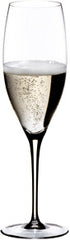
Biancavigna Conegliano Valdobbiadene Prosecco Superiore Sui Lieviti Brut Nature precisely expresses the characteristics of the Glera grape variety. This interpretation stands out for its dry and linear profile, with no added sugars. In the glass, it displays a very fine and persistent perlage, introducing clear aromas of white peach and pear. On the palate, the fruity notes blend with deep fermentative aromas of bread crust, ensuring excellent taste-olfactory persistence.
Where it comes from
The grapes destined for this Conegliano Valdobbiadene Prosecco grow in the hillside vineyards of the Conegliano area, in Veneto. Here, the vines sink their roots into clay and limestone soils, characterised by a high presence of stones. This geological composition gives the sparkling wine its clear structure and a distinctly dry character, reflecting the authentic expression of the territory in the glass.
How it is produced
After manual harvesting, a gentle pressing is carried out to extract only the free-run must, which then undergoes fermentation at a controlled temperature in stainless steel. Subsequently, the base wine undergoes refermentation in the bottle at a constant temperature. The absence of disgorgement ensures a prolonged ageing on the lees, a technique that enriches the aromatic complexity and gives greater depth to the overall taste structure.
History and Curiosities
BiancaVigna, active since 2004 and led by oenologist Enrico Moschetta, enhances the clay hills of Conegliano with an exceptional Prosecco Superiore DOCG. In keeping with the ancient tradition of “vin col fondo”, the refermentation takes place in the bottle. Without disgorgement and free from added sugars, this refined Brut Nature matures for three months at a controlled temperature, resting on its own lees. The Glera grapes, harvested by hand, are thus transformed into an authentic expression of the terroir, characterised by an extremely fine perlage.
Tasting notes

Perlage
Perfume

Color

Taste
Serve at:
06 - 08 °C
Longevity:
03 - 05 years
- Start up year: 2004
- Oenologist: Enrico Moschetta
- Bottles produced: 600.000
- Hectares: 30
BiancaVigna was founded here, in the D.O.C.G. and D.O.C. areas of the March of Treviso with its 30 hectare vineyard. This is BiancaVigna: values, innovative ideas and care of each single step with the ambition of making fine wines. Read more


| Name | Biancavigna Conegliano Valdobbiadene Prosecco Superiore Sui Lieviti Brut Nature 2024 |
|---|---|
| Type | White charmat method sparkling wine pas dosé |
| Denomination | Conegliano Valdobbiadene Prosecco DOCG |
| Vintage | 2024 |
| Size | 0,75 l |
| Alcohol content | 11.5% by volume |
| Grape varieties | 100% Glera |
| Country | Italy |
| Region | Veneto |
| Vendor | Biancavigna |
| Story | History and Curiosities BiancaVigna, active since 2004 and led by oenologist Enrico Moschetta, enhances the clay hills of Conegliano with an exceptional Prosecco Superiore DOCG. In keeping with the ancient tradition of "vin col fondo", the refermentation takes place in the bottle. Without disgorgement and free from added sugars, this refined Brut Nature matures for three months at a controlled temperature, resting on its own lees. The Glera grapes, harvested by hand, are thus transformed into an authentic expression of the terroir, characterised by an extremely fine perlage. |
| Origin | Vineyards on hillsides located in the municipality of Conegliano |
| Soil composition | Clayey, calcareous with a high amount of stones |
| Harvest | Manual harvest in September |
| Fermentation temperature | 15–16 °C |
| Fermentation | 3 months |
| Production technique | Charmat method; refermentation in the bottle on the lees (vin col fondo) |
| Wine making | Soft pressing of the grapes with selection of the free-run must, static decantation and fermentation at controlled temperature; base wine bottled in spring and refermented in the bottle on the lees for 3 months at 15–16 °C, without disgorgement and without added sugars (Brut Nature). |
| Aging | The base wine is bottled in the spring following the harvest and undergoes refermentation in the bottle on the lees for 3 months at 15–16 °C before being released for sale. |
| Total acidity | 5.7 gr/L |
| PH | 3.1 |
| Allergens | Contains sulphites |