


Berlucchi Guido
Franciacorta Palazzo Lana Extreme Extra Brut Riserva 2014
| Denomination | DOCG Franciacorta Riserva Extra Brut |
|---|---|
| Size | 0,75 l |
| Alcohol content | 12.5% by volume |
| Area | Lombardy (Italy) |
| Grape varieties | 100% Pinot Nero |
| Aging | Second fermentation in the bottle and subsequent ageing on the lees for at least 9 years, followed by at least 6 months after disgorgement. |
- Identity: Franciacorta DOCG Riserva Extra Brut Blanc de Noirs 2014, 0.75 L
- Grapes and origin: 100% Pinot Noir from two vineyards in Borgonato
- Traditional method: bottle refermentation, 9 years on the lees and 6 months after disgorgement
- Aromas and colour: notes of yellow fruit and candied orange; intense straw yellow colour with copper highlights
- Taste and pairings: fresh and mineral profile, long persistence; ideal with fish and white meats


Description
What kind of wine it is
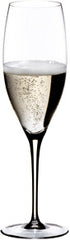
Berlucchi Franciacorta Palazzo Lana Extreme Blanc de Noirs Extra Brut Riserva represents a rigorous interpretation of the Traditional Method, made exclusively from Pinot Noir grapes. Visually, it displays an intense straw yellow colour, enriched with elegant shades of antique copper. The bouquet is broad and complex, characterised by notes of yellow-fleshed fruit and refined hints of candied orange. On the palate, it stands out for its remarkable freshness and exemplary clarity of flavour. The dense body of the grape variety harmoniously blends with a vibrant mineral texture and pronounced acidity, leading to an extremely persistent finish, revealing a marked ability to evolve over time.
Where it comes from
This sparkling wine originates in the heart of Franciacorta, in the area of Borgonato. The grapes come from two Berlucchi-owned vineyards managed with high planting density: Quindicipiò, located on a hillside, and Brolo. The harvest takes place during the second ten days of August, ensuring a vigorous structure right from picking.
How it is produced
Vinification begins with the separation of the free-run must through a gentle and gradual pressing. Primary fermentation takes place in steel vats, while part of the batch matures for six months on the lees in oak barrels. In spring, the final blend is created for secondary fermentation in the bottle. Ageing continues for at least nine years, a very long period that gives the wine depth and complexity. After disgorgement, the Riserva rests in the cellar for a further six months. This lengthy maturation process, combined with a dosage of 3.5 grams per litre, defines the Extra Brut character of a deep, taut and highly precise sip.
History and Curiosities
The Franciacorta Palazzo Lana Extreme celebrates the pioneering vision of Guido Berlucchi, born in 1961 to elevate the excellence of the Traditional Method. This 2014 Reserve, a pure Blanc de Noirs from Pinot Noir grapes, represents a true oenological rarity thanks to nine years of ageing on the lees. The meticulous artisanal care gives the wine a robust structure and vibrant minerality, enhanced by elegant notes of candied orange. Highly acclaimed by critics, this label offers absolute palate clarity and extraordinary longevity.
Awards
-
2014
 5
5Italian Sommelier Foundation (FIS) guide This has been one of the most prestigious wine guides in Italy for over 10 years.
-
2014
 3
3One of the most prestigious wine guides in Italy.
-
2014
 94
94/100
Vinous is the online guide from Antonio Galloni, one of the world's leading wine connoisseurs.
-
2014
 4
4Italian Sommelier Association (AIS) guide
Tasting notes

Perlage
Perfume

Color
Taste
Serve at:
06 - 08 °C
Longevity:
10 - 15 years
- Start up year: 1961
- Oenologist: Ferdinando dell'Aquila, Arturo Ziliani
- Bottles produced: 4.100.000
- Hectares: 130


| Name | Berlucchi Franciacorta Palazzo Lana Extreme Blanc de Noirs Extra Brut Riserva 2014 |
|---|---|
| Type | White extra brut |
| Denomination | Franciacorta DOCG |
| Vintage | 2014 |
| Size | 0,75 l |
| Alcohol content | 12.5% by volume |
| Grape varieties | 100% Pinot Nero |
| Country | Italy |
| Region | Lombardy |
| Vendor | Berlucchi Guido |
| Story | History and Curiosities The Franciacorta Palazzo Lana Extreme celebrates the pioneering vision of Guido Berlucchi, born in 1961 to elevate the excellence of the Traditional Method. This 2014 Reserve, a pure Blanc de Noirs from Pinot Noir grapes, represents a true oenological rarity thanks to nine years of ageing on the lees. The meticulous artisanal care gives the wine a robust structure and vibrant minerality, enhanced by elegant notes of candied orange. Highly acclaimed by critics, this label offers absolute palate clarity and extraordinary longevity. |
| Origin | Borgonato (Brescia), Lombardy, Italy |
| Yield per hectare | 8,500 kg/hectare |
| Harvest | Second ten days of August |
| Fermentation | At least 9 years on the lees, followed by at least 6 months after disgorgement |
| Production technique | Traditional method (second fermentation in bottle) |
| Wine making | The "heart" of the free-run must, obtained from gentle and progressive pressing, undergoes alcoholic fermentation in steel vats; at the end, some batches are transferred to oak barriques, where they mature for 6 months in contact with the lees. The cuvée is prepared in the spring following the harvest exclusively with wines from the same vintage. The second fermentation takes place in the bottle, followed by maturation on the lees for at least 9 years, and then at least 6 months after disgorgement. |
| Aging | Second fermentation in the bottle and subsequent ageing on the lees for at least 9 years, followed by at least 6 months after disgorgement. |
| Total acidity | 7.9 gr/L |
| PH | 3.09 |
| Residual sugar | 3.5 gr/L |
| Allergens | Contains sulphites |