


Berlucchi Guido
Franciacorta Nature 2019
| Denomination | DOCG Franciacorta Dosaggio Zero |
|---|---|
| Size | 0,75 l |
| Alcohol content | 12.5% by volume |
| Area | Lombardy (Italy) |
| Grape varieties | 70% Chardonnay, 30% Pinot Nero |
| Aging | Preparation of the cuvée in the spring following the harvest with 100% of the wines from that vintage; second fermentation in the bottle and ageing on the lees for at least 5 years, followed by a further 6 months in the bottle after disgorgement. |
- Name and style: Franciacorta DOCG Nature Dosaggio Zero, Traditional Method
- Grape variety and vintage: 70% Chardonnay, 30% Pinot Noir, 2019 harvest, 0.75 l
- Extended ageing: at least 5 years on the lees and 6 months after disgorgement
- Aromatic profile: notes of saffron, bergamot, candied citron, bread crust and anise
- Taste and serving: lively structure and acidity, savoury finish; serve at 6–8 °C


Description
What kind of wine it is
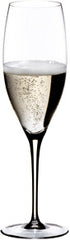
Franciacorta Nature by Berlucchi is a rigorous and vibrant Traditional Method sparkling wine, produced without the addition of dosage syrup. This refined blend combines Chardonnay and Pinot Noir, offering notes of saffron, bergamot, candied citron and bread crust. On the palate, it stands out for its solid structure and lively acidity, finishing with a persistent savouriness that gives great drive to the drink.
Where it comes from
The grapes come from the hilly areas of Franciacorta, in the province of Brescia. The bunches are selected from specific dedicated plots located in Arzelle, Rovere, San Carlo and Ragnoli, chosen for their exceptional characteristics. The nature of the soils gives the wine a profound aromatic precision and a marked gustatory tension, enhancing the most authentic identity of the territory.
How it is produced
The harvest takes place at the end of September, followed by a gentle pressing to extract the musts. After the first fermentation in steel, the finest batches mature for six months on the lees in oak barrels. The cuvée then undergoes refermentation in the bottle according to the principles of the Traditional Method. The long ageing process includes at least five years on the lees, followed by a further six months of rest after disgorgement.
History and Curiosities
Berlucchi ‘61 Franciacorta Nature 2019 embodies the vision of pioneer Franco Ziliani, celebrating the purest expression of the region in the strict Dosaggio Zero style. This refined Metodo Classico sparkling wine reveals the authenticity of the vintage through a cuvée aged for at least 5 years on the lees and a further six months in the bottle. The complete absence of dosage syrup enhances a vibrant acidity and persistent savouriness, offering a taut and elegant sip that pays homage to the historic winery founded in 1961.
Tasting notes

Perlage
Perfume

Color
Taste
Serve at:
06 - 08 °C
Longevity:
05 - 10 years
- Start up year: 1961
- Oenologist: Ferdinando dell'Aquila, Arturo Ziliani
- Bottles produced: 4.100.000
- Hectares: 130


| Name | Berlucchi '61 Franciacorta Nature 2019 |
|---|---|
| Type | White pas dosé |
| Denomination | Franciacorta DOCG |
| Vintage | 2019 |
| Size | 0,75 l |
| Alcohol content | 12.5% by volume |
| Grape varieties | 70% Chardonnay, 30% Pinot Nero |
| Country | Italy |
| Region | Lombardy |
| Vendor | Berlucchi Guido |
| Story | History and Curiosities Berlucchi ‘61 Franciacorta Nature 2019 embodies the vision of pioneer Franco Ziliani, celebrating the purest expression of the region in the strict Dosaggio Zero style. This refined Metodo Classico sparkling wine reveals the authenticity of the vintage through a cuvée aged for at least 5 years on the lees and a further six months in the bottle. The complete absence of dosage syrup enhances a vibrant acidity and persistent savouriness, offering a taut and elegant sip that pays homage to the historic winery founded in 1961. |
| Origin | Arzelle, Rovere, San Carlo e Ragnoli (BS) |
| Plants per hectare | 10,000 plants per hectare |
| Yield per hectare | 9,000 kg per hectare |
| Harvest | Last ten days of September |
| Fermentation | At least 5 years on the lees, followed by another 6 months in bottle after disgorgement |
| Production technique | Classic method (second fermentation in bottle) |
| Wine making | Gentle and gradual pressing of the grape bunches with separation of the musts; alcoholic fermentation in steel vats; maturation of the best parcels in oak barriques for 6 months in contact with the lees; preparation of the cuvée in the spring following the harvest; second fermentation in the bottle (traditional method) with ageing on the lees for at least 5 years and a further 6 months in the bottle after disgorgement. |
| Aging | Preparation of the cuvée in the spring following the harvest with 100% of the wines from that vintage; second fermentation in the bottle and ageing on the lees for at least 5 years, followed by a further 6 months in the bottle after disgorgement. |
| Total acidity | 7.2 gr/L |
| PH | 3.05 |
| Allergens | Contains sulphites |