


Benanti
Etna Bianco 2025
| Denomination | DOC Etna Bianco |
|---|---|
| Size | 0,75 l |
| Alcohol content | 12.0% by volume |
| Area | Sicily (Italy) |
| Grape varieties | 100% Carricante |
| Aging | Maturation in tank on fine lees for several months, followed by a brief ageing in bottle (about 2–3 months) |
- Grape variety and designation: 100% Carricante, Etna DOC Bianco 2025
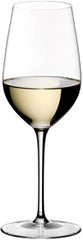
- Colour and aromas: straw yellow with greenish highlights, hints of apple
- Palate: dry and mineral, pronounced freshness, savoury and long-lasting persistence
- Vinification in steel: fermentation at 18–20 °C, use of indigenous yeasts, ageing on fine lees
- Serving and pairings: serving temperature 10–12 °C, ideal with fish dishes and shellfish


Description
What kind of wine it is
Etna Bianco by Benanti is a white wine with controlled designation of origin, produced in Sicily from Carricante grapes. Fermented in steel and matured on fine lees, it displays a straw yellow hue and aromas of apple. On the palate, it stands out for its dry and mineral profile, balanced by pronounced freshness and vibrant savouriness, which ensure an elegant aromatic persistence.
Where it comes from
The vines take root on the eastern and southern slopes of the volcano, in a high hillside setting situated between seven hundred and nine hundred and fifty metres above sea level. Trained in the traditional bush vine and espalier methods, the plants thrive on sandy volcanic soils, rich in minerals and with a subacidic reaction. This unique mountain environment is characterised by constant winds and significant temperature variations, crucial climatic factors that promote perfect aroma definition and guarantee the varietal's gustatory identity.
How it is produced
After manual harvesting, the bunches are destemmed and gently pressed. Fermentation takes place in stainless steel tanks at a controlled temperature, using exclusive selected indigenous yeasts to enhance the connection with the territory. This is followed by a period of maturation on fine lees, essential for enriching the structure, and a brief refinement in the bottle.
History and Curiosities
Benanti's Etna Bianco showcases pure Carricante, cultivated at high altitude on volcanic soils rich in minerals. The grapes, sourced from vines aged between twenty and sixty years, are meticulously hand-picked in October. Fermentation in steel tanks uses exclusive selected indigenous yeasts, the result of extensive research carried out both in the vineyard and the winery. The careful ageing on fine lees imparts a profound minerality to this label, releasing a vibrant freshness that celebrates the true spirit of the volcano.
Tasting notes

Perfume

Color

Taste
Serve at:
08 - 10 °C
Longevity:
03 - 05 years
- Start up year: 1988
- Oenologist: Enzo Calì
- Bottles produced: 250.000
- Hectares: 30
The Benanti family has been instrumental in Etna’s viticulture throughout history, contributing first hand to its evolution. Now managed by Giuseppe Benanti’s two sons, Antonio and Salvino Benanti, the winery has an annual production of about 250.000 bottles that are distributed throughout the most important markets worldwide. Read more


| Name | Benanti Etna Bianco 2025 |
|---|---|
| Type | White still |
| Denomination | Etna DOC |
| Vintage | 2025 |
| Size | 0,75 l |
| Alcohol content | 12.0% by volume |
| Grape varieties | 100% Carricante |
| Country | Italy |
| Region | Sicily |
| Vendor | Benanti |
| Story | History and Curiosities Benanti's Etna Bianco showcases pure Carricante, cultivated at high altitude on volcanic soils rich in minerals. The grapes, sourced from vines aged between twenty and sixty years, are meticulously hand-picked in October. Fermentation in steel tanks uses exclusive selected indigenous yeasts, the result of extensive research carried out both in the vineyard and the winery. The careful ageing on fine lees imparts a profound minerality to this label, releasing a vibrant freshness that celebrates the true spirit of the volcano. |
| Origin | Eastern and southern slopes of Mount Etna |
| Climate | Mountain and high hill climate; humid and rainy in the cold season, with strong winds and significant temperature variations |
| Soil composition | Volcanic sandy, rich in minerals, with a subacid reaction |
| Plants per hectare | 6,000–8,000 plants per hectare |
| Yield per hectare | 80 q/ha |
| Harvest | Manual harvesting after the first ten days of October |
| Fermentation temperature | 18–20 °C |
| Fermentation | Approximately 15 days |
| Production technique | Fermentation in temperature-controlled stainless steel tanks; maturation in tanks on the fine lees |
| Wine making | Diraspatura e pressatura soffice; fermentazione in serbatoi di acciaio inox a temperatura controllata (18–20 °C) con lieviti indigeni; maturazione in vasca sulle fecce fini per alcuni mesi e successivo breve affinamento in bottiglia (circa 2–3 mesi). |
| Aging | Maturation in tank on fine lees for several months, followed by a brief ageing in bottle (about 2–3 months) |
| Allergens | Contains sulphites |