


Ayala
Champagne Brut Majeur
| Denomination | AOC Champagne Brut |
|---|---|
| Size | 0,75 l |
| Alcohol content | 12.0% by volume |
| Area | Champagne region (France) |
| Grape varieties | 45% Pinot Nero, 30% Chardonnay, 25% Pinot Meunier |
| Aging | After several months of maturation, a second fermentation in the bottle using the traditional method and at least 36 months on the lees in the cellar. |
- Origin and blending: Selection of over 70 crus, vinified separately by plot
- Grape varieties and style: 40% Chardonnay, 40% Pinot Noir, 20% Meunier; low dosage and dry style
- Sensory profile: Citrus fruits, white flowers and bread crust with a mineral and fruity finish
- Method and ageing: Second fermentation in the bottle and 36 months ageing on the lees
- Serving and pairings: Serve at 6–8 °C; ideal with shellfish, sushi and white meats


Description
What kind of wine it is
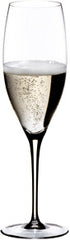
Ayala Champagne Brut Majeur is the house’s Champagne, produced according to the strict Traditional Method. This wine is the result of a meticulous blend of grapes featuring Chardonnay, Pinot Noir and Pinot Meunier. In the glass, it displays a bright pale golden yellow, enhanced by a fine and persistent perlage. The bouquet is expressive, characterised by citrus fruits, white flowers, green apple and peach, with subtle hints of bread crust. On the palate, it offers a pronounced mineral freshness, revealing itself as balanced and precise, with a long, fruity finish, accentuated by the low sugar dosage.
Where it comes from
The cuvée is born in the heart of Champagne from a mosaic of over seventy sites, including notable Premier and Grand Cru vineyards from the Côte des Blancs, Montagne de Reims and Vallée de la Marne. To preserve the authenticity of each area, Ayala vinifies each plot separately, ensuring maximum complexity in the blend’s composition. The French house operates with a strong focus on the environment, adopting certified sustainable viticulture practices and advancing organic conversion processes for the management of its own vineyards, in full respect of the land.
How it is produced
The vinification process begins with gentle pressing, followed by the first fermentation in stainless steel tanks at controlled temperature to maintain aromatic purity. After several months, the base wines are blended for bottling. As required by the Traditional Method, the second fermentation takes place in the bottle, where the wine matures for at least thirty-six months on the lees. This long period in the cellar imparts vibrancy and marked structural complexity. Careful cold stabilisation follows to ensure the perfect clarity of the final product.
History and Curiosities
Founded in 1860 by Edmond de Ayala, the historic maison celebrates its heritage through the renowned Brut Majeur. Now led by the Bollinger family, the company boasts a prestigious past, ennobled by historic royal accolades. Having overcome the challenges of the early twentieth century, the winery has refined a pure, low-dosage style that enhances the finesse of Chardonnay. This artisanal mastery comes to life in the skilful blending of grapes from over 70 crus, paying homage to the vibrant and endless richness of the traditional method.
Awards
-
 90
90/100
James Suckling is an influential American wine critic and journalist who worked at Wine Spectator for 30 years. He left the magazine in 2010 to start his own website and guidebook (JamesSuckling.com). He specialises in Italian and Bordeaux wines.
-
 88
88/100
The prestigious international wine guide from the renowned Robert Parker, the world's most experienced and trusted wine taster.
-
 90
90/100
Wine spectator is the most influential wine guide on the internet.
Tasting notes

Perlage
Perfume

Color
Taste
Serve at:
06 - 08 °C
Longevity:
10 - 15 years
- Start up year: 1860
- Hectares: 130
Ayala flourished in the 1920s, but by the turn of the 21st Century was doing less well. It was sold in 2000 to the Jean-Jacques Frey group, and under the direction of Thierry Budin began to find its direction again. In January 2005 Ayala became part of Champagne Bollinger. Read more


| Name | Ayala Champagne Brut Majeur |
|---|---|
| Type | White classic method sparkling wine brut |
| Denomination | Champagne AOC |
| Size | 0,75 l |
| Alcohol content | 12.0% by volume |
| Grape varieties | 45% Pinot Nero, 30% Chardonnay, 25% Pinot Meunier |
| Country | France |
| Region | Champagne region |
| Vendor | Ayala |
| Story | History and Curiosities Founded in 1860 by Edmond de Ayala, the historic maison celebrates its heritage through the renowned Brut Majeur. Now led by the Bollinger family, the company boasts a prestigious past, ennobled by historic royal accolades. Having overcome the challenges of the early twentieth century, the winery has refined a pure, low-dosage style that enhances the finesse of Chardonnay. This artisanal mastery comes to life in the skilful blending of grapes from over 70 crus, paying homage to the vibrant and endless richness of the traditional method. |
| Origin | Champagne Region (Côte des Blancs, Montagne de Reims, Vallée de la Marne, Aube, Vitry, Côte de Sézanne) |
| Fermentation | At least 36 months on the lees in the cellar |
| Production technique | Classic method (second fermentation in bottle using traditional method) |
| Wine making | Soft pressing; fermentation in stainless steel tanks at controlled temperature; after several months of maturation, the base wines are blended for bottling; second fermentation in the bottle using the traditional method (classic method) and at least 36 months on the lees in the cellar; cold stabilisation before bottling. |
| Aging | After several months of maturation, a second fermentation in the bottle using the traditional method and at least 36 months on the lees in the cellar. |
| Total acidity | 4.25 gr/L |
| PH | 3.14 |
| Residual sugar | 7.95 gr/L |
| Allergens | Contains sulphites |