


Anthonij Rupert
L'Ormarins Brut Classique
| Denomination | N/A |
|---|---|
| Size | 0,75 l |
| Alcohol content | 12.5% by volume |
| Area | South Africa (South Africa) |
| Grape varieties | 59% Chardonnay, 41% Pinot Nero |
| Aging | During bottling, yeast is added to the sweetened base wine and a long, slow secondary fermentation begins, with ageing in the bottle on the lees for two to four years. |
- Classic Method Brut: Bottle refermentation with ageing on the lees for 2-4 years
- Elegant blend: 59% Chardonnay and 41% Pinot Noir from the Western Cape
- Complex aroma: notes of tarte tatin, apple, cinnamon, pear and biscuity hints
- Lively taste: lime and green apple, sourdough creaminess and brioche
- Serving and pairings: serve at 6-10°C; ideal with starters, fish, shellfish and cheeses


Description
What kind of wine it is
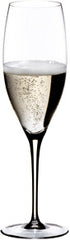
Ormarins Brut Classique is a Brut sparkling wine produced by Anthonij Rupert in South Africa. This Traditional Method is created from a meticulous blend that enhances the structural and aromatic qualities of the grape varieties used: Chardonnay and Pinot Noir. It displays a bright golden yellow hue, enriched with delicate peach nuances and a fine, persistent perlage. The sensory profile is vibrant and harmonious, combining the freshness of citrus, lime and green apple with more developed notes of biscuit and sourdough, offering a pleasantly creamy texture.
Where it comes from
This cuvée originates in the Western Cape, blending grapes from the areas of Franschhoek, Darling, Robertson and Elandskloof. The vineyards rest on granitic and schist soils, with the presence of limestone and alluvial deposits that give the wine a vibrant acidity and a distinct minerality. Manual harvesting, carried out in the early hours of the morning, preserves the integrity of the bunches. The variety of soils results in a complex bouquet where notes of candied apple, peach and citrus intertwine with hints of tarte tatin, cinnamon and a subtle smoky touch.
How it is produced
The vinification process involves pressing whole bunches to extract only the free-run juice from the first pressing. The different base wines ferment separately before the final blend. As required by the Traditional Method, the second fermentation takes place in the bottle, followed by a slow ageing on the lees lasting from two to four years. This prolonged maturation shapes the structure, bringing creaminess and intense pastry notes. The final Brut dosage preserves a dry, dynamic and persistent sip, characterised by a fresh finish reminiscent of lemon zest.
History and Curiosities
Anthonij Rupert's Ormarins Brut Classique celebrates the great winemaking tradition of the Western Cape. Produced following the prestigious Méthode Cap Classique, it is made from grapes hand-picked at dawn and whole-bunch pressed. The winemaking process uses only the purest free-run juice for a slow secondary fermentation in the bottle. Thanks to ageing on the lees for between two and four years, this sparkling wine acquires an enveloping creaminess. Finally, an extremely low Brut dosage seals its vibrant harmony, offering an elegant and persistent sip.
Awards
-
 87
87/100
Vinous is the online guide from Antonio Galloni, one of the world's leading wine connoisseurs.
Tasting notes
Perlage
Perfume
Color
Taste
Serve at:
06 - 08 °C
Longevity:
05 - 10 years


| Name | Anthonij Rupert L'Ormarins Brut Classique |
|---|---|
| Type | White classic method sparkling wine brut |
| Denomination | N/A |
| Size | 0,75 l |
| Alcohol content | 12.5% by volume |
| Grape varieties | 59% Chardonnay, 41% Pinot Nero |
| Country | South Africa |
| Region | South Africa |
| Vendor | Anthonij Rupert |
| Story | History and Curiosities Anthonij Rupert's Ormarins Brut Classique celebrates the great winemaking tradition of the Western Cape. Produced following the prestigious Méthode Cap Classique, it is made from grapes hand-picked at dawn and whole-bunch pressed. The winemaking process uses only the purest free-run juice for a slow secondary fermentation in the bottle. Thanks to ageing on the lees for between two and four years, this sparkling wine acquires an enveloping creaminess. Finally, an extremely low Brut dosage seals its vibrant harmony, offering an elegant and persistent sip. |
| Origin | Western Cape (Franschhoek, Darling, Robertson, Elandskloof), South Africa |
| Soil composition | Predominantly granitic and schistose soils, with the presence of limestone and alluvial soils. |
| Yield per hectare | 15.000 kg/ettaro |
| Fermentation | Two to four years |
| Production technique | Traditional method (secondary fermentation in the bottle) |
| Wine making | The grapes are received early in the morning and pressed as whole bunches. The free-run juice and the second pressing components are kept separate; the juice is clarified by settling and inoculated, then fermentation begins. After fermentation, the wine is allowed to settle and is racked off the lees. The base wine is filtered and sugar is added before bottling to prepare it for the second fermentation in bottle (traditional method), with ageing on the lees in bottle for two to four years and disgorgement with a very low dosage (about 3 g/L). |
| Aging | During bottling, yeast is added to the sweetened base wine and a long, slow secondary fermentation begins, with ageing in the bottle on the lees for two to four years. |
| Residual sugar | 7.5 gr/L |
| Allergens | Contains sulphites |