


Andre Beaufort
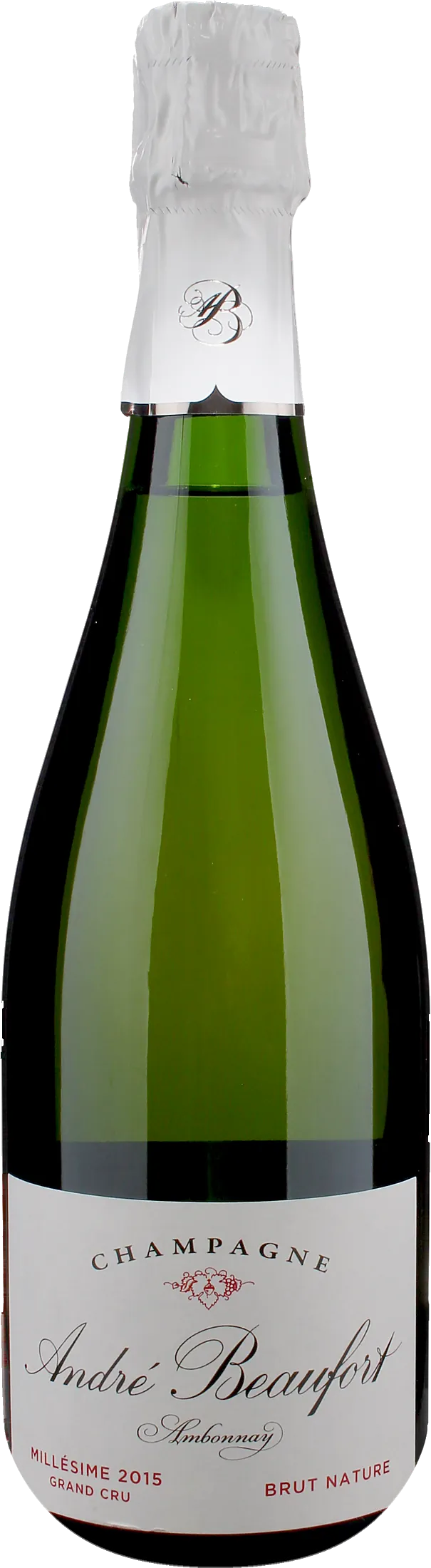
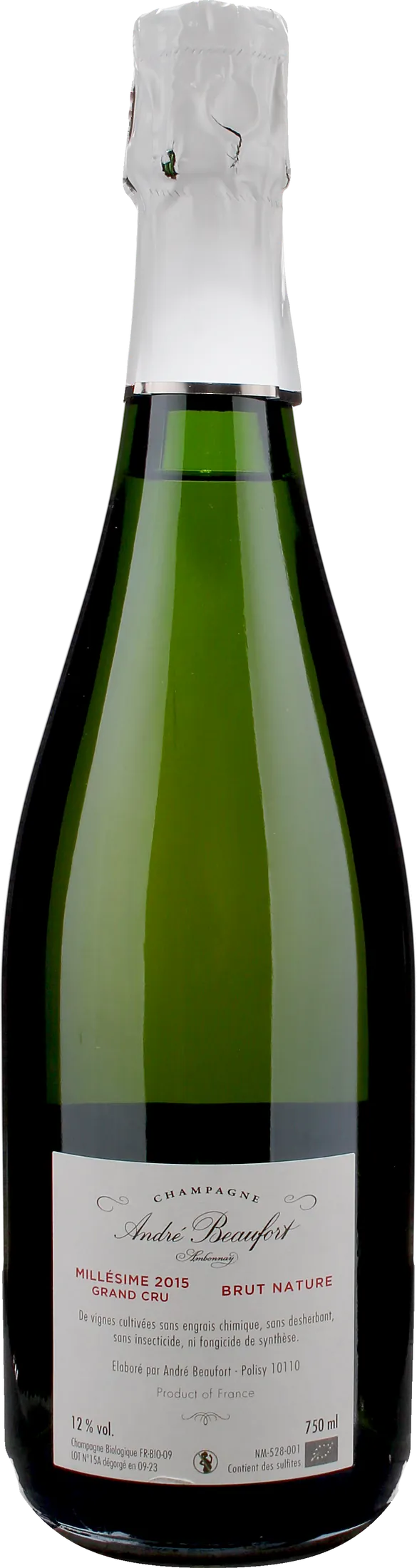
Champagne Ambonnay Grand Cru Brut Nature 2015
Other years:
2014| Denomination | AOC Champagne Grand Cru |
|---|---|
| Size | 0,75 l |
| Alcohol content | 12.0% by volume |
| Area | Champagne region (France) |
| Grape varieties | Chardonnay, Pinot Nero |
| Aging | Long ageing on the lees for at least five years |
| Other years | 2014 |
- Origin and grape varieties: From Grand Cru vineyards in Ambonnay, a blend of Chardonnay and Pinot Noir
- Zero sugar: Traditional Method pas dosé, zero residue for maximum purity
- 5 years' ageing: Long maturation on the lees for a complex structure
- Aromas and flavour: Fine bubbles, notes of fruit, minerality and yeast; long finish
- Limited edition: 1,969 bottles; ideal with lean fish, starters and cheeses
Description
What type of wine it is
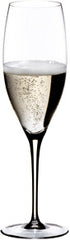
Andre Beaufort's Champagne Ambonnay Grand Cru Brut Nature is born from a precise blend of Chardonnay and Pinot Noir. Crafted according to the Traditional Method in a pas dosé version, it expresses an extremely taut and clean profile. In the glass, the Champagne displays a golden-yellow hue and a very fine perlage, releasing fruity aromas, mineral echoes, and clear notes of yeast. The tasting reveals it to be harmonious and fresh, driven by a marked mineral savouriness and a deeply persistent finish.
Where it comes from
This wine originates in Ambonnay, a famous Champagne commune classified as Grand Cru. The vineyards are cultivated by Andre Beaufort following organic farming principles, in full respect of the ecosystem. The soil is worked mechanically and nourished with organic compost, avoiding the use of synthetic chemicals. The health of the vines is preserved through the targeted use of essential oils and homeopathic preparations. This agronomic management supports the vitality of the land, ensuring a precise and consistent territorial identity.
How it is produced
Immediately after the harvest, the grapes are pressed and the resulting must is left to decant for twelve hours. Primary fermentation takes place in barrels or vats thanks to the action of indigenous yeasts, followed by spontaneous malolactic fermentation. The second fermentation strictly adheres to the Traditional Method, triggered by the addition of raw cane sugar and natural yeasts. The wine then rests on its lees for at least five years, a fundamental step in defining its structure. The stages of remuage and manual disgorgement complete the creation of this refined pas dosé.
History and Background
This rare vintage from André Beaufort, produced in just 1,969 bottles, highlights the authentic terroir of Ambonnay Grand Cru. The vines are cultivated according to organic farming principles, nourished with natural compost and protected with essential oils. The artisanal vinification relies on indigenous yeasts, followed by a long five-year ageing period that concludes with manual disgorgement. Faithful to the absence of dosage, this rigorous traditional method pas dosé offers enthusiasts a sip of vibrant purity, an authentic expression of its precious ecosystem.
Tasting notes
Perlage
Perfume
Color
Taste
Serve at:
06 - 08 °C
Longevity:
10 - 15 years
- Bottles produced: 1.969
A peculiarity: the wines are still "to the volley", not folklore, but because Beaufort breathes once more the wine of each bottle can understand and perfect it. In order not to use herbicides but contain weeds, we work the soil with the hoe, taking care not to inhale the vine roots. The soil is enriched with vegetable compost produced in the company enriched with meat and bone and blood meal. This preparation is scattered across all vineyards by protecting it from drought and helping to maintain the amount of humus needed for soil organic. Erosion is virtually nothing because soil, thanks to compost, mechanical machining and the presence of organisms such as earthworms, is permeable and well drained so that the enrichment of groundwater groundwater (minimizing the effects of floods and droughts) .
In the vineyards you work all year long. In February and March, after frost, the pruning works begin to contain yields and get better ripening. At the beginning of June, the branches of the vineyard were linked to parallel iron wires, then shredded several times during the summer. Towards the middle of June, after flowering, it is possible to evaluate the yields of the vintage. In organic agriculture production is lower. In the first years of conversion, yields declined by one third.
The main fungal diseases are mildew and oidio. For their treatment, biological regulation allows the use of copper and sulfur. However, these products have a certain toxicity that creates imbalance in wildlife. For this reason, the Beaufort since 1974 have experimented with the use of essential oils that limit the development of diseases and since 1980 have explored the field of homeopathy. It must be acknowledged, however, that in some climatically difficult times, nature affirms its supremacy. The biggest losses are caused in the spring because of frosts that weaken the vine and make it more susceptible to fungal diseases. Approximately one hundred days after flowering began harvest, from mid September to early October. The date is set by prefecture ordinance but the Beaufort evaluates the maturation.
The pressing of grapes is carried out immediately after harvesting. The must flows from the press into the decanting tanks where it will remain at least 12 hours so that all solid elements settle down. Often a second "blur" is performed. The must is then poured into barrels or tubs where alcoholic fermentation is triggered by indigenous yeasts. Once the fermentation has been completed and a quiet wine is obtained, during the winter, it is poured. To avoid using too much SO2, in the spring let malolactic fermentation spontaneously activate. This second fermentation softens the wine slightly, which is why many "maison" re-enter it, but Beaufort thinks that "everybody has his style". At this point bottling takes place, with the addition of unrefined cane sugar or concentrated grape must and natural yeasts. The bottles remain so for months or years. Champagne legislation requires a minimum of fifteen months for a non-millennium and three years for millennia. But a vintage Champagne flourishes at least five years on its yeast. The elimination of the deposit (mouthpiece) is carried out by hand at "the vole" after about a month of "remuage" stirring on the "pupitre" to converge the "bottom" towards the neck of the bottle. During this process wine is oxygenated, contributing to its development. However, this oxygenation must be limited to avoid undesirable oxidation phenomena. Read more


| Name | Andre Beaufort Champagne Ambonnay Grand Cru Brut Nature 2015 |
|---|---|
| Type | White organic classic method sparkling wine pas dosé |
| Denomination | Champagne AOC |
| Vintage | 2015 |
| Size | 0,75 l |
| Alcohol content | 12.0% by volume |
| Grape varieties | Chardonnay, Pinot Nero |
| Country | France |
| Region | Champagne region |
| Vendor | Andre Beaufort |
| Story | History and Background This rare vintage from André Beaufort, produced in just 1,969 bottles, highlights the authentic terroir of Ambonnay Grand Cru. The vines are cultivated according to organic farming principles, nourished with natural compost and protected with essential oils. The artisanal vinification relies on indigenous yeasts, followed by a long five-year ageing period that concludes with manual disgorgement. Faithful to the absence of dosage, this rigorous traditional method pas dosé offers enthusiasts a sip of vibrant purity, an authentic expression of its precious ecosystem. |
| Origin | Ambonnay (Champagne region, France) |
| Soil composition | Enriched with compost of plant and animal origin |
| Production technique | Traditional method (traditional method) zero dosage |
| Wine making | Grapes pressed immediately after the harvest; must settled for at least 12 hours; fermentation in barrels or tanks with indigenous yeasts; spontaneous malolactic fermentation; second fermentation in the bottle (traditional method) with raw cane sugar and natural yeasts; long ageing on the lees for at least 5 years; manual riddling and hand disgorgement; no dosage (pas dosé) and with limited use of SO2. |
| Aging | Long ageing on the lees for at least five years |
| Allergens | Contains sulphites |