


Adami
Valdobbiadene Prosecco Superiore dei Casel Extra Dry
| Denomination | DOCG Conegliano Valdobbiadene Prosecco Spumante Superiore Extra Dry |
|---|---|
| Size | 0,75 l |
| Alcohol content | 11.0% by volume |
| Area | Veneto (Italy) |
| Grape varieties | 100% Glera |
| Aging | Maturation and resting on the fine lees in stainless steel for three months. |
- DOCG Designation: Valdobbiadene Prosecco Superiore Extra Dry, 0.75 L
- Grapes and region: Glera from the clay-limestone hills of Veneto at around 400 m
- Production method: Charmat method in stainless steel tanks, aged for 3 months
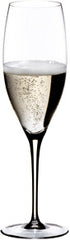
- Aromatic profile: yellow apple, peach, exotic fruit, wisteria and acacia; fine perlage
- Pairings and serving: aperitif, fish and shellfish; serve at 6–8 °C, 11% vol


Description
What kind of wine it is
Adami Valdobbiadene Prosecco Superiore dei Casel Extra Dry is a sparkling wine that faithfully reflects its territory of origin. Made from Glera grapes and produced using the Charmat Method, it stands out for its fine and persistent perlage. The aromatic bouquet offers notes of yellow apple, peach and exotic fruit, accompanied by floral hints of wisteria and acacia. On the palate, it is velvety and lively, supported by balanced acidity and a pleasant savouriness, finishing with a dry and clean aftertaste.
Where it comes from
It originates in Veneto, on the moraine hills situated between the towns of Valdobbiadene, Vidor and Farra di Soligo. The vines, grown at around four hundred metres above sea level on steep slopes, thrive on clay and limestone soil. This poor and well-drained matrix gives the grapes a distinct olfactory identity. The temperate climate, with cold winters and balanced summers, favours the development of the bunches, enhancing the fruity freshness that defines the wine's flavour profile.
How it is produced
The harvest takes place between September and October from vines trained using the Cappuccina and double arched cane methods. The process begins with gentle pressing and static decantation of the must. After primary fermentation, there is a three-month maturation in steel on fine lees. The prise de mousse takes place in an autoclave to develop the elegant effervescence typical of this sparkling wine. Strict cold stabilisation and the use of microfiltration allow the yeasts to be separated before bottling, preserving the purity and finesse of the final product.
History and Curiosities
Produced by the historic Adami winery since 1933, the Valdobbiadene Prosecco Superiore DOCG Dei Casel Extra Dry is a true tribute to tradition. Its name recalls the family nickname and the old rural shelters scattered among the Treviso hills. Highly acclaimed by critics and boasting 90 points from Robert Parker, this fine sparkling wine is born from the excellence of the Charmat method, which enhances the fresh aromas of the Glera grape. The meticulous production process ensures a fresh and velvety texture, ideal for imparting vibrant elegance to every glass.
Awards
-
 90
90/100
The prestigious international wine guide from the renowned Robert Parker, the world's most experienced and trusted wine taster.
Tasting notes

Perlage

Perfume

Color

Taste
Serve at:
06 - 08 °C
Longevity:
03 - 05 years
- Start up year: 1933
- Oenologist: Franco e Fabrizio Adami
- Bottles produced: 850.000
- Hectares: 50
Today, the fourth generation, in the persons of Fabrizio, Claudio and Cristina, are actively contributing, and brand exploration has now spread to four continents. The long arc of these years has seen an alternating succession of viticultural achievements and international accolades that have brought together winegrowing experts, wine lovers, and sector professionals, an opportunity-rich adventure in which excellence has always met challenges yet always emerged triumphant. The result has been a patrimony of a family, of a growing area, and of a community, a heritage that only 100 years of history can fashion. Read more


| Name | Adami Valdobbiadene Prosecco Superiore dei Casel Extra Dry |
|---|---|
| Type | White charmat method sparkling wine extra dry |
| Denomination | Conegliano Valdobbiadene Prosecco DOCG |
| Size | 0,75 l |
| Alcohol content | 11.0% by volume |
| Grape varieties | 100% Glera |
| Country | Italy |
| Region | Veneto |
| Vendor | Adami |
| Story | History and Curiosities Produced by the historic Adami winery since 1933, the Valdobbiadene Prosecco Superiore DOCG Dei Casel Extra Dry is a true tribute to tradition. Its name recalls the family nickname and the old rural shelters scattered among the Treviso hills. Highly acclaimed by critics and boasting 90 points from Robert Parker, this fine sparkling wine is born from the excellence of the Charmat method, which enhances the fresh aromas of the Glera grape. The meticulous production process ensures a fresh and velvety texture, ideal for imparting vibrant elegance to every glass. |
| Origin | Hills of the municipalities of Valdobbiadene, Vidor and Farra di Soligo (Veneto) |
| Climate | Temperato con inverni freddi ed estati calde ma non afose |
| Soil composition | Mixed soil of morainic origin: clayey, often calcareous (clay and limestone), lean, dry, well-drained and shallow, especially at higher altitudes. |
| Plants per hectare | 2,500–3,500 plants per hectare |
| Harvest | 20 September, 10 October |
| Fermentation temperature | 17–19 °C |
| Production technique | Charmat method (refermentation in steel autoclave) |
| Wine making | Soft pressing with pneumatic presses, static decanting of the must, temperature-controlled fermentation (17–19 °C) with selected yeasts. Ageing and resting on the fine lees in steel for three months. Second fermentation using the Charmat method in steel autoclaves (refermentation 15–17 °C). Cold tartaric stabilisation (-4 °C) and microfiltration before bottling to separate the yeasts (cycle of approximately 40 days). |
| Aging | Maturation and resting on the fine lees in stainless steel for three months. |
| Total acidity | 6.0 gr/L |
| PH | 3.2 |
| Year production | 850000 bottles |
| Allergens | Contains sulphites |