


Abbazia di Novacella
Praepositus Sylvaner 2024
| Denomination | DOC Alto Adige Valle Isarco Sylvaner |
|---|---|
| Size | 0,75 l |
| Alcohol content | 13.5% by volume |
| Area | Trentino Alto Adige (Italy) |
| Grape varieties | 100% Sylvaner Verde |
| Aging | Approximately two-thirds of the must ferments and matures in stainless steel tanks; just under a third in 30 hl acacia casks; approximately 5% ferments and matures in French barriques; ageing for 10 months on the lees and, after blending, 2 months in the bottle. |
- Type and grape: Semi-aromatic still white wine, 100% Sylvaner
- Origin: Valle Isarco DOC, vineyards between 650 and 700 metres in Bressanone and Varna
- Aromas: Ripe pear, apricot, elderflower, apple and coriander, with spicy notes
- Palate: Round and juicy structure, balanced acidity, mineral sapidity and an elegant finish
- Ageing: 10 months in stainless steel, acacia and barriques, plus 2 months in the bottle


Description
What type of wine it is
The Praepositus Sylvaner from Abbazia di Novacella is a still white wine with a semi-aromatic character, produced from Sylvaner grapes. An authentic expression of the Alto Adige region, it reveals a fresh and elegant sensory profile, defined by a rounded palate and mature acidity. On the palate, it is distinguished by a distinctly mineral and savoury finish, the result of precise oenological management. Its deep structure stems from careful ageing conducted in steel, acacia barrels and barriques, enriched by a long period on the lees which gives the wine depth and great gustatory finesse.
Where it comes from
This wine is born in high-altitude vineyards located between the municipalities of Brixen and Varna, in the heart of the Isarco Valley. The vines, cultivated following the principles of heroic and sustainable viticulture, grow between six hundred and fifty and seven hundred metres above sea level with optimal south and south-west exposure. The Guyot training system is rooted in permeable morainic deposits, composed of mica schist, paragneiss and quartzite. This precious rocky matrix transfers a marked savoury tension to the glass, telling the story of the agricultural vocation of these extreme soils.
How it is produced
Production begins with the manual harvesting of the grapes, followed by fermentation at a controlled temperature, an essential step to preserve the aromatic clarity of the fruit. The different batches are managed separately to enhance their characteristics before composing the final blend. A portion of the must matures in stainless steel tanks, while the remaining part evolves in large acacia barrels and barriques. After ten months of ageing on the lees, the wine undergoes a final period of rest to complete its structural harmony.
History and Fascinating Facts
The Praepositus Sylvaner represents the excellence of Novacella Abbey, a prestigious monastic institution founded in 1142 that guards a centuries-old heritage. The fruit of the steep terraces of the Isarco Valley, this white wine originates from heroic viticulture practised on slopes cultivated for over 2,500 years. Under the expert guidance of oenologist Celestino Lucin, the wine develops a deep elegance thanks to ten months of ageing on the lees, carried out in steel tanks, acacia barrels and French barriques: a perfect marriage of historical memory and modern oenological insights.
Tasting notes

Perfume

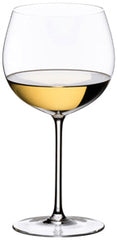
Color

Taste
Serve at:
12 - 14 °C
Longevity:
03 - 05 years
- Start up year: 1142
- Oenologist: Celestino Lucin
- Bottles produced: 900.000
- Hectares: 100
Also owned by the Abbey is a vineyard located in South Tyrol's main wine-growing area: the Marklhof estate in Cornaiano, on the 'wine road' near Bolzano. The sandy, dry soil and the airy climate of these hills make it possible to obtain excellent red wines, including a characteristic Kalterersee, a very fine Schiava and a very elegant Pinot Noir.
A third Novacella vineyard is located in Bolzano, around the ancient and tiny St. Mary's Monastery. Here, in the dry and very warm climate of the valley floor, a full-bodied dark Lagrein matures, which is particularly suitable for ageing.
In our wine cellar, the grapes from these three vineyards are raised to wines whose distinct character and quality has been rewarded by the loyalty of generations of friends and connoisseurs. Read more


| Name | Abbazia di Novacella Praepositus Sylvaner 2024 |
|---|---|
| Type | White still semi-aromatic |
| Denomination | Alto Adige DOC |
| Vintage | 2024 |
| Size | 0,75 l |
| Alcohol content | 13.5% by volume |
| Grape varieties | 100% Sylvaner Verde |
| Country | Italy |
| Region | Trentino Alto Adige |
| Vendor | Abbazia di Novacella |
| Story | History and Fascinating Facts The Praepositus Sylvaner represents the excellence of Novacella Abbey, a prestigious monastic institution founded in 1142 that guards a centuries-old heritage. The fruit of the steep terraces of the Isarco Valley, this white wine originates from heroic viticulture practised on slopes cultivated for over 2,500 years. Under the expert guidance of oenologist Celestino Lucin, the wine develops a deep elegance thanks to ten months of ageing on the lees, carried out in steel tanks, acacia barrels and French barriques: a perfect marriage of historical memory and modern oenological insights. |
| Origin | Brixen and Vahrn (Eisack Valley, South Tyrol, Italy) |
| Soil composition | Permeable morainic deposits, composed of mica schist, paragneiss and quartzite. |
| Cultivation system | Guyot |
| Plants per hectare | six thousand |
| Yield per hectare | 5,500 kg/ha |
| Fermentation temperature | 17 degrees Celsius |
| Production technique | Approximately two-thirds of the must ferments and matures in stainless steel tanks; just under a third in 30-hl acacia barrels; approximately 5% ferments and matures in French barriques; fermentation at a controlled temperature of 17 °C; ageing for 10 months on the lees and, after blending, 2 months in the bottle. |
| Wine making | Approximately two-thirds of the must ferments and matures in stainless steel tanks; just under a third in 30 hl acacia barrels; about 5% ferments and matures in French barriques; fermentation at a controlled temperature of 17 °C; ageing for 10 months on the lees and, after blending, 2 months in the bottle. |
| Aging | Approximately two-thirds of the must ferments and matures in stainless steel tanks; just under a third in 30 hl acacia casks; approximately 5% ferments and matures in French barriques; ageing for 10 months on the lees and, after blending, 2 months in the bottle. |
| Total acidity | 7.0 gr/L |
| Dry extract | 24.5 gr/L |
| Allergens | Contains sulphites |